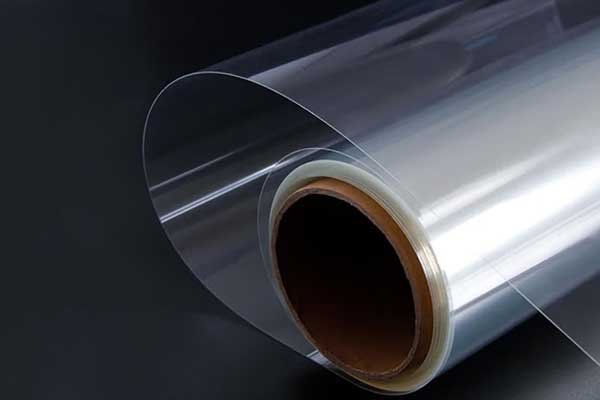
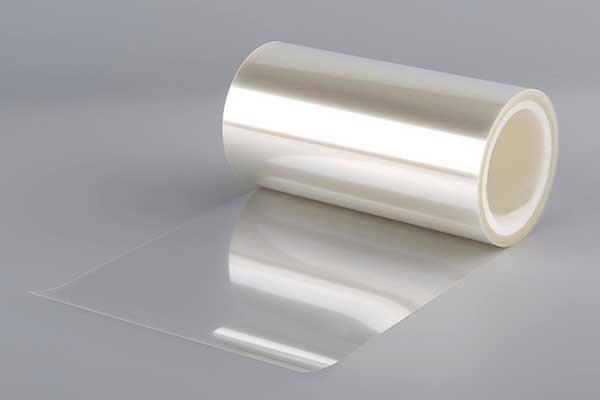
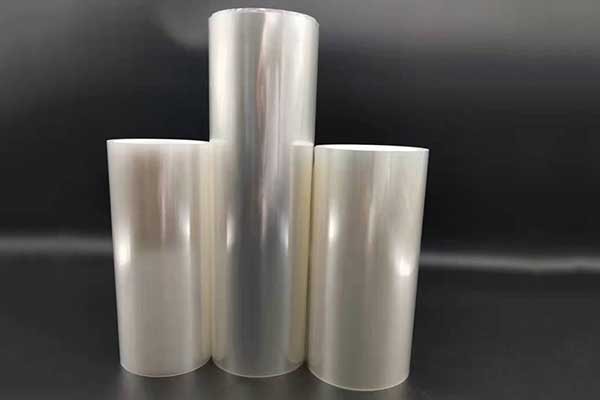
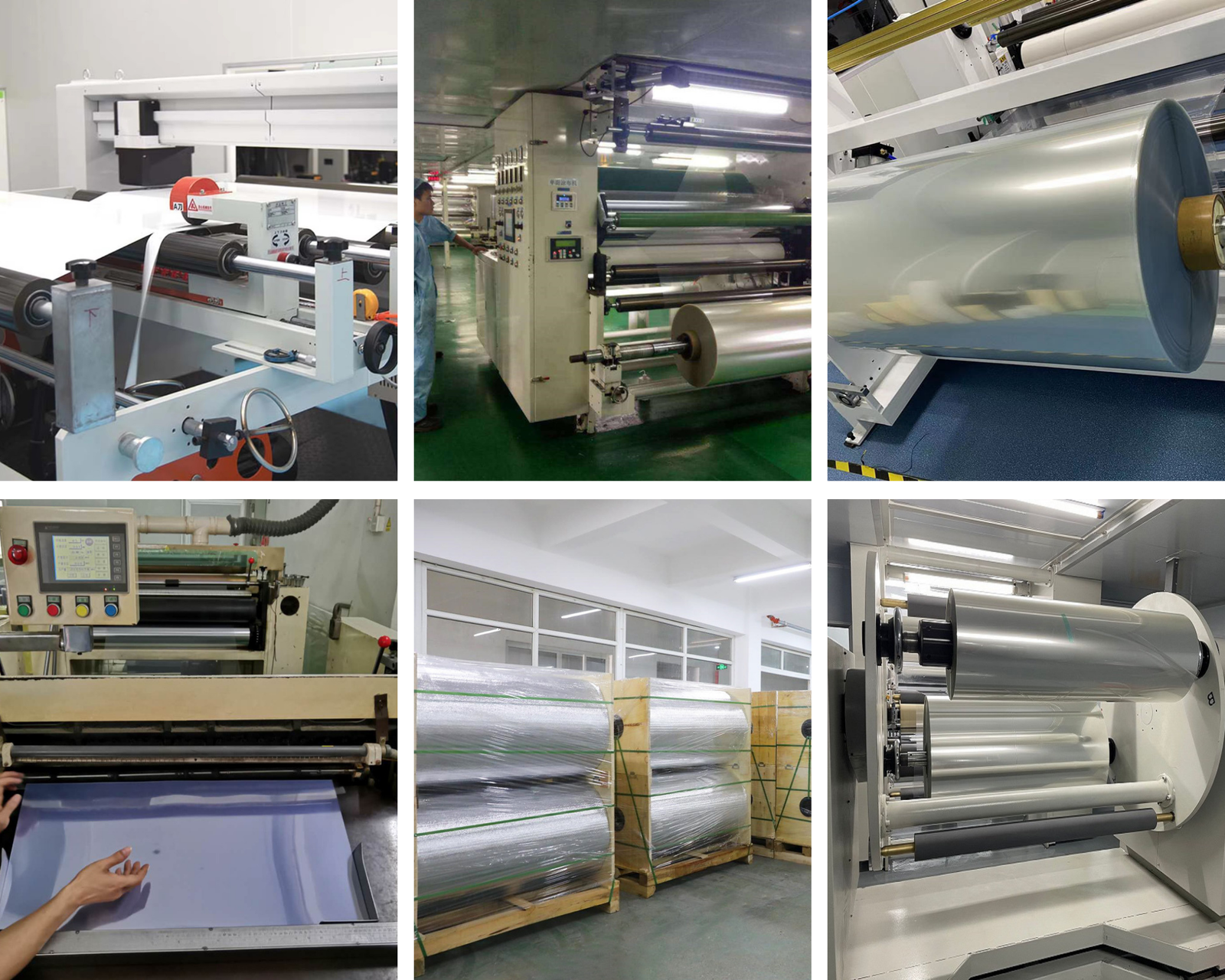
A complete PET sheet roll RFQ should include material type, thickness, width, roll length, color, surface treatment, application, certificates, quantity, packaging method, sample request, and destination country. For faster quotation, buyers should also specify whether the project needs APET, PETG, GAG, ESD PET, anti-fog PET, coated PET, food-grade sheet, or thermoforming sheet.
This guide helps packaging, thermoforming and industrial buyers compare PET, APET and PETG options before requesting a quotation from Goflexpet. It connects the decision path with related application pages and product details so the RFQ can be reviewed faster.
For the procurement cluster, buyers should confirm application, material family, thickness, roll or sheet size, surface treatment, certification requirements, sample needs and destination country before bulk production.
Material and application details should be reviewed together with product visibility, forming behavior, dimensional stability, packing requirements and downstream processing conditions. Goflexpet can help compare standard PET, APET, PETG, coated PET, anti-fog APET and ESD PET options according to the target application.
Thickness, width and sheet size should be reviewed together with product visibility, forming behavior, dimensional stability, packing requirements and downstream processing conditions. Goflexpet can help compare standard PET, APET, PETG, coated PET, anti-fog APET and ESD PET options according to the target application.
Surface treatment and certification requirements should be reviewed together with product visibility, forming behavior, dimensional stability, packing requirements and downstream processing conditions. Goflexpet can help compare standard PET, APET, PETG, coated PET, anti-fog APET and ESD PET options according to the target application.
Packing, sample and shipping information should be reviewed together with product visibility, forming behavior, dimensional stability, packing requirements and downstream processing conditions. Goflexpet can help compare standard PET, APET, PETG, coated PET, anti-fog APET and ESD PET options according to the target application.
Contact Goflexpet with these details to receive a practical material recommendation and quotation path.
Goflexpet needs material, thickness, width, roll length, quantity, application, surface treatment, compliance requirements, packaging preference, and destination country.
Yes. Buyers can request custom thickness, width, color, coating, anti-fog treatment, ESD performance, and roll specifications according to the target packaging or industrial application.
Related pages: PET Film, APET Sheet, PETG Film, and Contact Goflexpet.
PETG decorative film is used for furniture panels, MDF lamination, cabinet surfaces, wall panels, and interior decoration when buyers need glossy, matte, wood grain, marble, metallic, skin-sense, or anti-fingerprint finishes. Buyers should compare surface texture, gloss level, scratch resistance, lamination method, color consistency, thickness, roll width, and substrate compatibility before requesting samples or bulk quotation.
This guide helps packaging, thermoforming and industrial buyers compare PET, APET and PETG options before requesting a quotation from Goflexpet. It connects the decision path with related application pages and product details so the RFQ can be reviewed faster.
For the decorative panels cluster, buyers should confirm application, material family, thickness, roll or sheet size, surface treatment, certification requirements, sample needs and destination country before bulk production.
Why PETG is used for decorative surfaces should be reviewed together with product visibility, forming behavior, dimensional stability, packing requirements and downstream processing conditions. Goflexpet can help compare standard PET, APET, PETG, coated PET, anti-fog APET and ESD PET options according to the target application.
Wood grain, marble and high-gloss finish options should be reviewed together with product visibility, forming behavior, dimensional stability, packing requirements and downstream processing conditions. Goflexpet can help compare standard PET, APET, PETG, coated PET, anti-fog APET and ESD PET options according to the target application.
Substrate and lamination checks should be reviewed together with product visibility, forming behavior, dimensional stability, packing requirements and downstream processing conditions. Goflexpet can help compare standard PET, APET, PETG, coated PET, anti-fog APET and ESD PET options according to the target application.
How to prepare a decorative PETG quote should be reviewed together with product visibility, forming behavior, dimensional stability, packing requirements and downstream processing conditions. Goflexpet can help compare standard PET, APET, PETG, coated PET, anti-fog APET and ESD PET options according to the target application.
Contact Goflexpet with these details to receive a practical material recommendation and quotation path.
PETG decorative film can be used for MDF, HPL, cabinet, wall panel, and furniture surface applications when the lamination process, substrate, adhesive, temperature, and finish requirements are matched correctly.
Common PETG decorative finishes include high gloss, matte, wood grain, marble, metallic color, embossed texture, leather texture, and skin-sense soft-touch surfaces.
Related pages: PETG Film, PETG Film for Furniture Surface, PETG Film for Decorative Panels, and Request PETG samples.
ESD PET sheet is used for electronics packaging when trays, lids, and thermoformed parts need controlled surface resistance to reduce electrostatic discharge risk. Buyers should specify whether they need anti-static, dissipative, or conductive performance, then confirm surface resistance range, thickness, thermoforming behavior, transparency, coating durability, packaging method, and testing requirements before RFQ.
This guide helps packaging, thermoforming and industrial buyers compare PET, APET and PETG options before requesting a quotation from Goflexpet. It connects the decision path with related application pages and product details so the RFQ can be reviewed faster.
For the electronics packaging cluster, buyers should confirm application, material family, thickness, roll or sheet size, surface treatment, certification requirements, sample needs and destination country before bulk production.
Why electronics packaging needs ESD control should be reviewed together with product visibility, forming behavior, dimensional stability, packing requirements and downstream processing conditions. Goflexpet can help compare standard PET, APET, PETG, coated PET, anti-fog APET and ESD PET options according to the target application.
Surface resistance and antistatic sheet checks should be reviewed together with product visibility, forming behavior, dimensional stability, packing requirements and downstream processing conditions. Goflexpet can help compare standard PET, APET, PETG, coated PET, anti-fog APET and ESD PET options according to the target application.
Thermoforming ESD PET trays should be reviewed together with product visibility, forming behavior, dimensional stability, packing requirements and downstream processing conditions. Goflexpet can help compare standard PET, APET, PETG, coated PET, anti-fog APET and ESD PET options according to the target application.
RFQ details for electronics packaging should be reviewed together with product visibility, forming behavior, dimensional stability, packing requirements and downstream processing conditions. Goflexpet can help compare standard PET, APET, PETG, coated PET, anti-fog APET and ESD PET options according to the target application.
Contact Goflexpet with these details to receive a practical material recommendation and quotation path.
Surface resistance describes how a material controls electrical charge across its surface. Electronics packaging buyers use it to compare anti-static, dissipative, and conductive PET sheet options.
An RFQ should include target surface resistance range, material type, thickness, width, roll length, forming method, tray dimensions, transparency requirements, quantity, and destination country.
Related pages: ESD PET Sheet, Anti-Static PET Film, Conductive PET Sheet, and Contact Goflexpet.
Anti-fog APET film is a transparent polyester sheet designed to reduce condensation on refrigerated food packaging. It is commonly used for fresh produce trays, fruit containers, bakery packaging, prepared meals, and clear food display packaging where visibility matters. Buyers should evaluate anti-fog performance, food-contact requirements, clarity, haze, thickness, coating durability, thermoforming behavior, roll width, sample testing, and destination-market compliance before placing bulk orders.
This guide helps packaging, thermoforming and industrial buyers compare PET, APET and PETG options before requesting a quotation from Goflexpet. It connects the decision path with related application pages and product details so the RFQ can be reviewed faster.
For the food packaging cluster, buyers should confirm application, material family, thickness, roll or sheet size, surface treatment, certification requirements, sample needs and destination country before bulk production.
Where anti-fog APET film is used should be reviewed together with product visibility, forming behavior, dimensional stability, packing requirements and downstream processing conditions. Goflexpet can help compare standard PET, APET, PETG, coated PET, anti-fog APET and ESD PET options according to the target application.
Why visibility matters in refrigerated packaging should be reviewed together with product visibility, forming behavior, dimensional stability, packing requirements and downstream processing conditions. Goflexpet can help compare standard PET, APET, PETG, coated PET, anti-fog APET and ESD PET options according to the target application.
Specification checks for anti-fog APET should be reviewed together with product visibility, forming behavior, dimensional stability, packing requirements and downstream processing conditions. Goflexpet can help compare standard PET, APET, PETG, coated PET, anti-fog APET and ESD PET options according to the target application.
Quotation details for food packaging buyers should be reviewed together with product visibility, forming behavior, dimensional stability, packing requirements and downstream processing conditions. Goflexpet can help compare standard PET, APET, PETG, coated PET, anti-fog APET and ESD PET options according to the target application.
Contact Goflexpet with these details to receive a practical material recommendation and quotation path.
Anti-fog APET film is used for refrigerated and fresh food packaging where moisture can reduce product visibility, including fruit trays, vegetable packaging, bakery containers, deli packaging, and prepared food trays.
Buyers should test anti-fog durability, transparency, haze, thermoforming performance, thickness tolerance, seal compatibility, food-contact requirements, and packing conditions.
Related pages: Anti-Fog APET Film for Food Packaging, Food Grade PET Plastic Sheet Rolls, APET Sheet, and Request a quote.
APET sheet is commonly selected for clear thermoformed packaging, food trays, blister packaging, folding boxes, and rigid transparent packaging because it offers clarity, rigidity, and forming performance. Buyers comparing APET and PET sheet should confirm application, thickness, forming depth, clarity, impact resistance, coating needs, food-contact requirements, and whether PETG or GAG would perform better for the specific packaging project.
This guide helps packaging, thermoforming and industrial buyers compare PET, APET and PETG options before requesting a quotation from Goflexpet. It connects the decision path with related application pages and product details so the RFQ can be reviewed faster.
For the thermoforming cluster, buyers should confirm application, material family, thickness, roll or sheet size, surface treatment, certification requirements, sample needs and destination country before bulk production.
APET and PET sheet in thermoforming projects should be reviewed together with product visibility, forming behavior, dimensional stability, packing requirements and downstream processing conditions. Goflexpet can help compare standard PET, APET, PETG, coated PET, anti-fog APET and ESD PET options according to the target application.
Clarity, rigidity and forming behavior should be reviewed together with product visibility, forming behavior, dimensional stability, packing requirements and downstream processing conditions. Goflexpet can help compare standard PET, APET, PETG, coated PET, anti-fog APET and ESD PET options according to the target application.
Food packaging and retail display use cases should be reviewed together with product visibility, forming behavior, dimensional stability, packing requirements and downstream processing conditions. Goflexpet can help compare standard PET, APET, PETG, coated PET, anti-fog APET and ESD PET options according to the target application.
Sample checks before bulk production should be reviewed together with product visibility, forming behavior, dimensional stability, packing requirements and downstream processing conditions. Goflexpet can help compare standard PET, APET, PETG, coated PET, anti-fog APET and ESD PET options according to the target application.
Contact Goflexpet with these details to receive a practical material recommendation and quotation path.
APET sheet is widely used for thermoformed packaging, clear trays, food packaging, blister packaging, and folding boxes where transparency and rigidity are important.
Buyers should compare APET, PETG, and GAG when the project requires different forming behavior, toughness, surface quality, sealing compatibility, or application-specific performance.
Related pages: APET Sheet, PET Sheet for Thermoforming, GAG Plastic Sheet for Packaging, and Request a quotation.
For packaging buyers, PET film and sheet thickness should be selected according to forming depth, tray rigidity, product weight, clarity, coating requirements, and downstream sealing or printing process. Thin PET film is usually used for flexible printing, labels, windows, and lamination, while thicker APET, PETG, or GAG sheet is used for blister packaging, food trays, thermoforming, and rigid transparent packaging. Buyers should confirm thickness, width, roll length, tolerance, surface treatment, certificates, sample requirements, and destination country before requesting a quotation.
This guide helps packaging, thermoforming and industrial buyers compare PET, APET and PETG options before requesting a quotation from Goflexpet. It connects the decision path with related application pages and product details so the RFQ can be reviewed faster.
For the packaging cluster, buyers should confirm application, material family, thickness, roll or sheet size, surface treatment, certification requirements, sample needs and destination country before bulk production.
Why thickness selection affects packaging performance should be reviewed together with product visibility, forming behavior, dimensional stability, packing requirements and downstream processing conditions. Goflexpet can help compare standard PET, APET, PETG, coated PET, anti-fog APET and ESD PET options according to the target application.
Common PET film and sheet thickness ranges should be reviewed together with product visibility, forming behavior, dimensional stability, packing requirements and downstream processing conditions. Goflexpet can help compare standard PET, APET, PETG, coated PET, anti-fog APET and ESD PET options according to the target application.
How forming depth changes thickness choice should be reviewed together with product visibility, forming behavior, dimensional stability, packing requirements and downstream processing conditions. Goflexpet can help compare standard PET, APET, PETG, coated PET, anti-fog APET and ESD PET options according to the target application.
RFQ details buyers should prepare should be reviewed together with product visibility, forming behavior, dimensional stability, packing requirements and downstream processing conditions. Goflexpet can help compare standard PET, APET, PETG, coated PET, anti-fog APET and ESD PET options according to the target application.
Contact Goflexpet with these details to receive a practical material recommendation and quotation path.
The best thickness depends on forming depth, tray size, product weight, and rigidity requirements. Buyers should share drawings, target thickness, roll width, forming temperature, and application details so Goflexpet can recommend PET, APET, PETG, or GAG options.
An RFQ should include material, thickness, width, roll length, color, surface treatment, application, certificates, sample needs, quantity, packaging method, and destination country.
Related pages: PET Film, APET Sheet, PET Sheet for Thermoforming, and Contact Goflexpet.
PET is usually selected for clear, rigid, cost-efficient food packaging, blister packaging, thermoformed trays, printed packaging, and transparent sheet applications. PETG is usually selected when buyers need stronger impact resistance, easier forming, decorative surfaces, furniture panel lamination, medical packaging, or applications where toughness and processing flexibility matter more than lowest cost. Packaging buyers should compare PET and PETG by clarity, impact strength, thermoforming behavior, chemical resistance, sterilization requirements, surface finish, compliance needs, and target application before requesting a quote.
When you're standing in a supermarket aisle or handling a medical device, you're likely touching one of two materials: PET or PETG. Both are polyester-based plastics that have become indispensable in modern packaging, yet they perform quite differently. For packaging engineers, procurement managers, and manufacturers, understanding these differences isn't just academic—it directly impacts product protection, cost efficiency, and regulatory compliance.
The choice between PET and PETG often comes down to specific application requirements, and getting it wrong can be costly. A company that selects PET for a medical device that requires gamma sterilization might face unexpected brittleness and package failure. Conversely, choosing PETG for a food product where maximum clarity is the selling point could result in unnecessary expense. This article explores the practical differences between these two materials and helps you make an informed decision for your packaging needs.

At their core, PET and PETG are both polyethylene terephthalate-based polymers, but their molecular structures diverge significantly. PET is a semi-crystalline thermoplastic, meaning its polymer chains arrange in a partially ordered, densely packed structure. This crystalline nature gives PET its characteristic rigidity and strength. PETG, on the other hand, is created by adding glycol to the PET polymer chain, resulting in an amorphous structure where the polymer chains are more randomly arranged.
This fundamental difference in molecular structure cascades into distinct performance characteristics. The semi-crystalline nature of PET provides excellent barrier properties and mechanical strength, making it ideal for applications where product protection and structural integrity are paramount. The amorphous structure of PETG, meanwhile, grants it superior flexibility and impact resistance—properties that prove invaluable when packaging must withstand mechanical stress or require complex thermoforming.
Think of it this way: PET is like a tightly organized filing cabinet where everything has its place, while PETG is more like a flexible storage system that can adapt to different shapes and pressures without breaking.
The mechanical performance differences between PET and PETG are perhaps the most immediately relevant to packaging decisions. PET exhibits high tensile strength and rigidity, making it excellent for applications requiring structural integrity. Its ability to withstand mechanical loads without deformation makes it the go-to choice for rigid packaging applications like beverage bottles, food trays, and protective cases.
However, this rigidity comes with a trade-off: PET can be more brittle, particularly when subjected to sudden impacts or stress. In cold storage environments or when packages are dropped during handling, PET's brittleness can become problematic. This is where PETG's enhanced impact resistance becomes a significant advantage. PETG can absorb mechanical stress more effectively, reducing the risk of cracking or shattering under pressure.
For a practical example, consider a medical device packaging scenario. A PET clamshell might provide excellent product visibility and protection under normal conditions, but if the package is dropped or subjected to rough handling during shipping, the rigid structure could fracture, potentially compromising sterility. A PETG alternative would flex under the same stress, maintaining package integrity and protecting the contents.
The flexibility of PETG also makes it superior for thermoforming applications. When manufacturers need to create complex shapes—intricate medical trays, multi-compartment food containers, or custom clamshells—PETG's ability to form without cracking or hazing makes the process more efficient and cost-effective.
Processing conditions represent another critical distinction between these materials. PET requires precise temperature control during thermoforming and extrusion. Its semi-crystalline nature means that if temperatures aren't carefully managed, the material can crystallize excessively, leading to hazing, brittleness, and reduced optical clarity. This demand for precision control requires more sophisticated equipment and skilled operators, which can increase manufacturing costs.
PETG, by contrast, is more forgiving during processing. It can be thermoformed at lower temperatures (typically between 220°C and 250°C) and exhibits reduced risk of hazing or crystallization. This easier processability translates to faster production cycles, lower energy consumption, and reduced scrap rates. For manufacturers running high-volume operations, this difference in processing ease can represent significant cost savings.
The thermal stability of these materials also differs. PET maintains its structural properties across a slightly higher temperature range, making it suitable for applications involving warm or hot contents. PETG, while still capable of handling elevated temperatures, performs optimally in a somewhat narrower range. For cold storage applications, both materials perform well, though PETG's flexibility makes it particularly advantageous for frozen food packaging where brittleness could be a concern.
In industries like pharmaceuticals and medical devices, sterilization compatibility is non-negotiable. This is where PETG demonstrates a clear advantage. PETG is compatible with multiple sterilization methods, including gamma radiation and ethylene oxide (EtO) gas sterilization—the two most common methods in the medical device industry. This compatibility is crucial because some sterilization processes can degrade certain plastics, compromising package integrity and potentially rendering the sterilization ineffective.
PET, while exhibiting good chemical resistance, is less compatible with certain sterilization methods. Gamma radiation exposure can cause some degradation in PET, particularly in high-dose applications. This limitation has made PETG the preferred choice for many medical device manufacturers who require sterilization compatibility as a non-negotiable requirement.
Both materials demonstrate excellent resistance to oils, solvents, and many common chemicals, making them suitable for diverse packaging applications. However, PETG's enhanced chemical resistance provides an extra margin of safety in applications involving aggressive chemicals or extended exposure periods.
When product visibility is critical—whether showcasing premium cosmetics, displaying fresh food, or allowing visual inspection of medical devices—optical clarity becomes the deciding factor. PET excels in this regard, offering exceptional transparency with light transmission rates exceeding 92%. This crystalline clarity is one of PET's most valued characteristics and a primary reason for its dominance in retail food packaging and beverage bottles.
PETG provides excellent clarity as well, though typically slightly lower than PET. For most applications, this difference is imperceptible to the human eye, and PETG's clarity remains more than adequate for product visibility. However, in applications where maximum transparency is a competitive advantage—such as premium food packaging or high-end retail displays—PET's superior clarity might justify its selection despite higher costs.
It's worth noting that both materials can be enhanced with anti-fog coatings for cold storage applications, which can improve their performance in refrigerated and frozen environments where condensation would otherwise obscure visibility.
Cost is rarely the only factor in material selection, but it's invariably an important one. PET generally carries a lower price point than PETG, reflecting its wider availability, longer manufacturing history, and simpler processing requirements. For high-volume applications where cost per unit is critical—such as single-use beverage bottles or disposable food containers—PET's cost advantage can be substantial.
PETG's premium pricing reflects its enhanced properties and greater versatility. While the material costs more, the total cost of ownership might actually be lower in applications where PETG's superior processability reduces manufacturing waste, speeds production cycles, or eliminates the need for secondary processing steps.
A practical cost analysis should consider not just material cost but also processing efficiency, waste rates, production speed, and the value of reduced defects. In some cases, PETG's 10-15% higher material cost is offset by 20-30% faster processing times and lower scrap rates, resulting in net cost savings despite the higher per-pound material expense.
For buyers comparing PET and PETG in real packaging projects, these application pages can help narrow the specification path: PET film and sheet applications, PET film for packaging, PET sheet for thermoforming, PETG film for decorative panels, and PETG film for furniture surface applications.
The food packaging industry remains PET's largest market. Beverage bottles, fresh produce trays, bakery containers, and frozen food packaging predominantly use PET film. The material's high clarity allows consumers to see the product, its excellent barrier properties keep food fresh, and its cost-effectiveness makes it economically viable for single-use applications.
A frozen vegetable producer, for instance, relies on anti-fog coated PET trays to maintain visibility of the product while preventing condensation that would obscure the contents. The material's food-grade certification ensures safety, while its rigidity maintains package shape during freezing and handling.
However, even in food packaging, PETG is gaining ground. Premium food products, particularly those requiring complex thermoformed shapes or additional impact protection during distribution, increasingly use PETG. A specialty chocolate manufacturer might choose PETG for its ability to create intricate compartmented trays that showcase individual pieces while providing superior protection against breakage during shipping.
For buyers comparing PET and PETG in real packaging projects, these application pages can help narrow the specification path: PET film and sheet applications, PET film for packaging, PET sheet for thermoforming, PETG film for decorative panels, and PETG film for furniture surface applications.
The medical device industry has increasingly shifted toward PETG, driven by its sterilization compatibility and superior impact resistance. A surgical instrument manufacturer might specify PETG clamshells because they can withstand gamma sterilization without degradation, maintain sterility through distribution, and absorb the mechanical stress of handling without cracking.
Medical device companies also appreciate PETG's ability to be thermoformed into complex trays with multiple compartments, varying depths, and integrated features that organize instruments precisely. PET's brittleness and sterilization limitations have made it less suitable for this demanding application, despite its superior clarity.
For buyers comparing PET and PETG in real packaging projects, these application pages can help narrow the specification path: PET film and sheet applications, PET film for packaging, PET sheet for thermoforming, PETG film for decorative panels, and PETG film for furniture surface applications.
The electronics industry presents an interesting middle ground. High-value electronics require both excellent product visibility (to showcase design and features) and superior protection (to prevent damage during shipping). Some manufacturers solve this by using PET for the front panel where clarity is critical and PETG for the back and sides where impact protection matters more.
A smartphone accessory manufacturer, for example, might use a clear PET front panel in a clamshell package to showcase the product's design, while using PETG for the structural back panel that absorbs impacts during shipping and handling.
Choosing between PET and PETG should follow a systematic evaluation of your specific requirements:
Choose PET if: Your application prioritizes maximum optical clarity, cost is a primary concern, the product doesn't require complex thermoforming, sterilization compatibility isn't necessary, and the package won't be subjected to significant mechanical stress.
Choose PETG if: Your application requires sterilization compatibility, complex thermoformed shapes, superior impact resistance, enhanced chemical resistance, or if processing efficiency and reduced scrap rates justify the higher material cost.
Consider also the regulatory environment. Food packaging has specific regulations that both materials meet, but medical device packaging has stricter requirements where PETG's sterilization compatibility becomes essential. Environmental regulations favoring recyclable materials benefit both options, though recycled PET (rPET) is more readily available and established in the circular economy.
Some sophisticated packaging solutions use both materials strategically. A medical device manufacturer might combine PET's superior clarity in the display window with PETG's structural strength and sterilization compatibility in the main body. This hybrid approach optimizes both visibility and protection while managing costs.
Similarly, food manufacturers might use PET for the primary container and PETG for the protective outer packaging, ensuring product visibility while providing enhanced protection during distribution.
Both PET and PETG are recyclable, though PET has a more established recycling infrastructure. The growing availability of recycled PET (rPET) is making PET increasingly attractive from a sustainability perspective. Some manufacturers are now specifying rPET content in their packaging as a competitive differentiator and environmental commitment.
Innovation continues in both materials. Anti-fog coatings, barrier enhancements, and specialized formulations are expanding the capabilities of both PET and PETG. Some manufacturers are developing high-barrier PETG variants that approach PET's barrier properties while maintaining PETG's processing advantages.
The question "Which is better, PET or PETG?" has no universal answer because "better" depends entirely on your specific application requirements. PET's combination of clarity, cost-effectiveness, and barrier properties makes it the logical choice for many food and beverage applications. PETG's superior impact resistance, sterilization compatibility, and processing flexibility make it indispensable for medical devices and complex thermoformed applications.
The most successful packaging decisions come from a thorough understanding of your product's protection requirements, regulatory environment, manufacturing capabilities, and cost constraints. By evaluating your specific needs against the distinct properties of each material, you can select the option that delivers optimal performance and value.
If you're uncertain about which material suits your application, consider consulting with your packaging supplier. Experienced manufacturers like GoFlexPET can provide guidance based on thousands of applications across diverse industries, helping you navigate the PET vs. PETG decision with confidence.
| Property | PET | PETG |
| Clarity | Excellent (92%+ transmission) | Very Good (slightly lower than PET) |
| Tensile Strength | High | Good |
| Impact Resistance | Moderate | Excellent |
| Flexibility | Low | High |
| Processing Temperature | Higher (requires precise control) | Lower (220-250°C) |
| Thermoforming Ease | Moderate (narrow forming window) | Excellent (forgiving) |
| Sterilization Compatibility | Limited | Excellent (gamma, EtO) |
| Chemical Resistance | Good | Enhanced |
| Cost | Lower | Higher |
| Recyclability | Excellent | Good |
| Best For | Food, beverages, retail | Medical devices, complex shapes, impact-prone applications |
For buyers comparing PET and PETG in real packaging projects, these application pages can help narrow the specification path: PET film and sheet applications, PET film for packaging, PET sheet for thermoforming, PETG film for decorative panels, and PETG film for furniture surface applications.
PET is often preferred for food packaging when buyers need clarity, rigidity, cost efficiency, and thermoforming performance. PETG may be considered when higher toughness, easier forming, or different processing behavior is required.
PETG is commonly used for decorative furniture panels because it can support high-gloss, matte, wood grain, marble, metallic, embossed, and skin-sense finishes for MDF, HPL, cabinet, and wall panel applications.
Buyers should include material, thickness, width, roll length, color, surface finish, forming method, application, compliance requirements, sample needs, quantity, packaging method, and destination country.
Related pages: PET Film, PETG Film, APET Sheet, PETG Film for Furniture Surface, and Contact Goflexpet.