
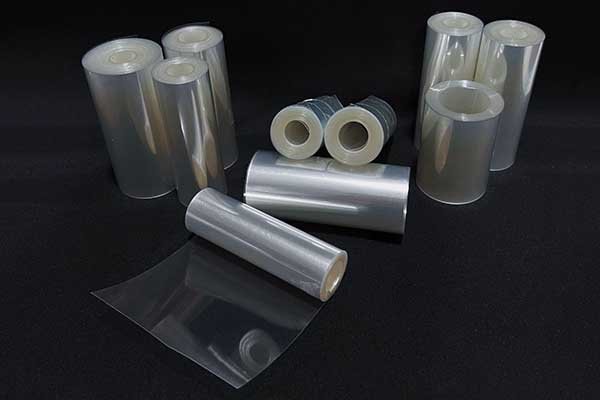

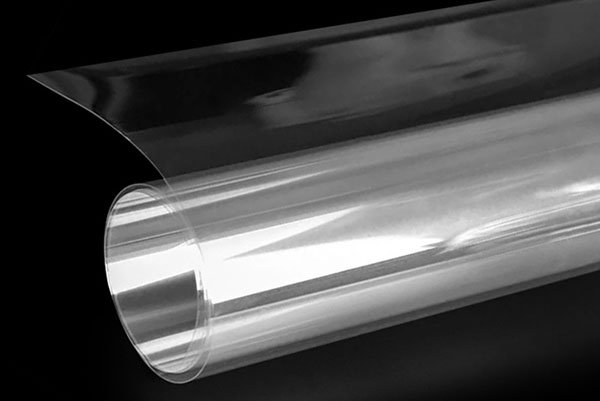

For a thermoformed electronics tray or blister, identify the incoming sheet and the finished part separately. The quotation, sample labels and inspection record should make clear which material or part was evaluated. Request evidence for the proposed grade and agree whether approval must cover the supplied sheet, a representative formed part or both.
| Grade and sample identity | Record the quoted grade, batch or sample identifier, and whether the sample is flat sheet or a formed part. |
| Sheet dimensions | The published supply ranges are 0.25–1.8 mm thickness and 600–1400 mm width. Confirm availability and tolerances for the quoted grade rather than treating these ranges as a test result. |
| Supply format | Specify roll or sheet format, usable dimensions and any winding, core or packing requirements for the forming equipment. |
| Part geometry | Provide the tray or blister drawing, cavity layout, target part dimensions and the proposed tooling. |
| Electrical requirement | State the required measurement, units, test method, conditioning and acceptance range for the intended application. |
| Measurement locations | Mark the agreed locations on the part drawing, such as the flange, wall and cavity base, and identify the surface being measured. |
| Special requirements | Identify any cleanliness, contamination, material-declaration or customer-specific requirements and the evidence needed for approval. |
A report should identify the sample tested and the result being reported. When reviewing sheet data, ask whether a formed-part evaluation is also available or required for your project. Record the answer in the approval plan so that sheet and tray results are not treated as interchangeable without review.
Specify the electrical property being requested instead of using only an antistatic, dissipative or conductive label. Keep surface resistance and surface resistivity terminology, units and methods explicit in the inquiry and report. If charge-decay evidence is required, identify that separately. Use the ESD PET surface resistance guide to organize the measurement and sample details.
Agree on a trial using the intended tooling and equipment. Record the sheet grade and dimensions, setup conditions, sample identity and observations. Inspect the completed tray for the agreed geometry, appearance, handling and electrical requirements, with results tied to the same trial record.
For projects with cleanliness or contamination requirements, request the applicable evidence for the quoted grade and intended use. Agree on the relevant sample preparation, inspection or test conditions and acceptance criteria. Include denesting or automated-handling trials where those operations are part of the project.
Keep the approved sheet specification, part drawing, sample references and inspection results together. Confirm the process for reviewing changes to the material, geometry or production conditions on repeat orders. Compare the available material routes in the ESD PET sheet collection, then confirm the grade and evidence scope in the quotation.

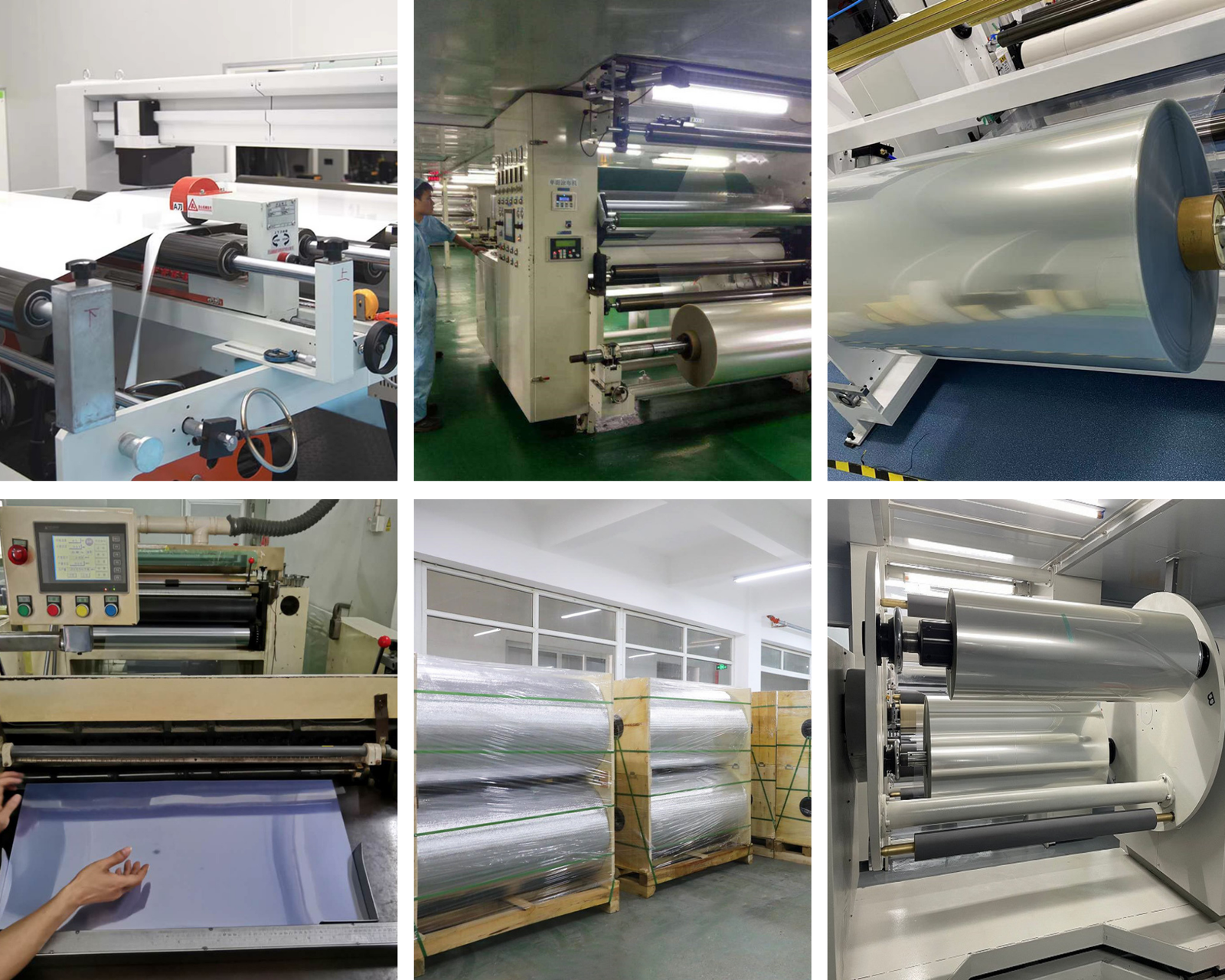
Use these related application collections to compare material format, thickness, surface treatment, forming behavior and RFQ details before requesting a production quote.
