


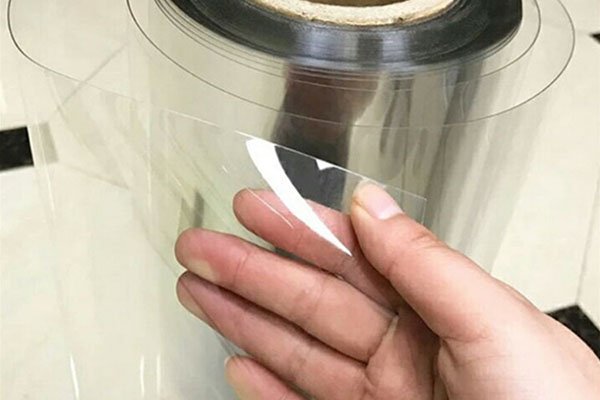

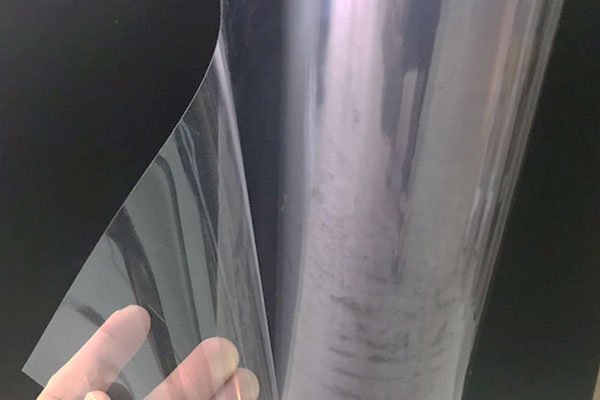

Use this category to compare APET sheet and roll product routes for packaging projects. Begin with the package design and converting process, then confirm the proposed grade, dimensions and sample requirements. The material name alone does not establish food-contact suitability, anti-fog performance or the recycling route for a finished package.
Confirm available dimensions, construction and commercial terms in the quotation. Do not apply one thickness range or performance value to all products in this category.
Record the sample grade, stock dimensions, equipment, tooling and setup conditions. Evaluate finished dimensions, wall distribution, corner thinning, trim, fit, stacking and appearance where relevant. If the package is printed, bonded or sealed, assess the complete construction after the intended process.
For anti-fog projects, define contents, storage temperature, condensation conditions, observation period and required visibility. Confirm which face is treated and evaluate the actual package. An anti-fog description does not establish barrier performance, shelf-life extension or compatibility with every sealing system.
For food-contact use, state the food type, contact time, temperature and destination market. Request applicable evidence for the exact grade, additives, coating and intended construction. Review the scope of any supplied certification or test record instead of treating it as approval for every application.
For recycling claims, identify the actual package and its destination. Collection and processing acceptance may depend on color, coatings, labels and other materials as well as the local system. Confirm the accepted route before making a claim about the finished package.
Send the drawing and specification with quantity, destination and required documentation. Agree on the sample reference, inspection plan, packing, commercial terms and delivery scope before ordering.
Provide the package drawing, intended contents, forming or converting process, starting thickness and tolerance, sheet dimensions or roll configuration, appearance criteria, quantity and destination. Confirm the proposed grade and sample acceptance criteria before ordering.
No. Confirm the exact grade, intended food type, contact time and temperature, additives or coatings, and destination market. Request applicable documentation and assess the intended finished construction rather than relying on the APET name.
Identify the treated face, intended contents, storage conditions and required observation period. Evaluate condensation and visibility on the actual package, then check appearance, forming and any sealing requirements against agreed acceptance criteria.
Local acceptance depends on the collection and processing system and the actual package construction, including color, coatings, labels and other materials. Confirm the destination market requirements and accepted recycling route before making a finished-package claim.
