
APPLICATIONS
Anti-Fog APET Film for Fresh Food Packaging
Compare anti-fog APET film and sheet options for refrigerated food trays, produce packaging, clamshell lids and fresh food display packaging. This page focuses on visibility, condensation control, food contact, coating side and thermoforming compatibility.
Selected Material Options
Compare related PET and PETG film products for this application, then move from material family to exact product specifications.
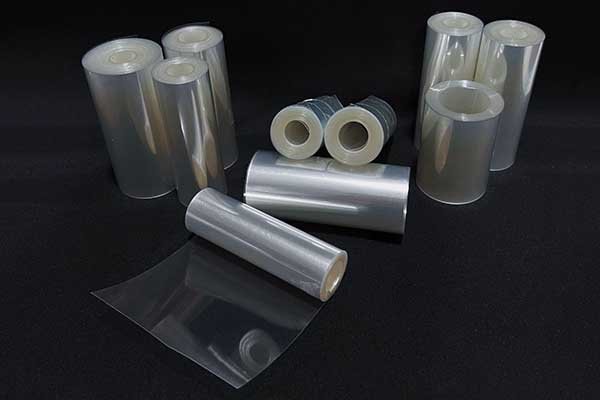
Anti-Fog APET Plastic Film
Application: fresh food and refrigerated packaging
Function: anti-fog APET film
Key checks: coating side and storage condition
Request QuoteFunction: anti-fog APET film
Key checks: coating side and storage condition
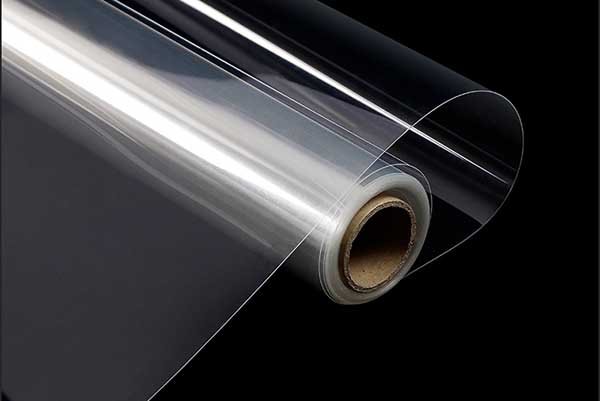
Anti Fog APET Plastic Sheet
Application: anti-fog food trays and lids
Material: APET plastic sheet
Key checks: clarity and food contact
Request QuoteMaterial: APET plastic sheet
Key checks: clarity and food contact

Food Grade PET Plastic Sheet Rolls
Application: food trays, lids and clamshells
Format: food grade PET rolls
Key checks: compliance and roll width
Request QuoteFormat: food grade PET rolls
Key checks: compliance and roll width

APET Sheet for Packaging
Application: clear food and retail packaging
Material: APET sheet
Key checks: thickness and forming
Request QuoteMaterial: APET sheet
Key checks: thickness and forming

PET Sheet for Disposable Drink Cup
Application: drink cups and lids
Material: PET sheet for disposable drink cups
Key checks: forming and clarity
Request QuoteMaterial: PET sheet for disposable drink cups
Key checks: forming and clarity

Transparent Rigid PET Sheet
Application: clear packaging sheet
Thickness: confirm grade and project requirements
Key checks: rigidity and optical quality
Request QuoteThickness: confirm grade and project requirements
Key checks: rigidity and optical quality
Procurement Guide for Anti-Fog APET Film for Food Packaging
Use these steps to prepare an anti-fog APET inquiry for food trays, lids or clamshells. Define storage conditions, coating side and the intended forming or sealing process before reviewing samples.
01
Define the end use
Identify the food package type, food-contact conditions, storage temperature and expected condensation exposure. Include whether the pack moves between refrigerated and room-temperature conditions.
02
Define anti-fog requirements
State which side faces the food or humid environment and the required visibility during storage. Review the proposed APET grade and coating against the intended use and destination-market documentation requirements.
03
Confirm specification
Provide thickness and tolerance, roll width, length and core size or sheet dimensions. Include the tray or lid drawing, forming depth and any sealing or printing requirements.
04
Plan sample and bulk order
Evaluate samples under the intended storage and condensation conditions. Check visibility, forming and sealing behavior, then confirm the agreed specification, packing, order quantity and delivery schedule.
Application Comparison Checklist
| Decision area | What to compare | Recommended next step |
|---|---|---|
| Use conditions | Food package type, storage temperature, humidity and temperature changes during display or transport. | Describe the expected condensation conditions and required visibility. |
| Coating side | Which side faces the food or humid environment, and the intended coating-side orientation. | Identify the coated side on the drawing or sample reference. |
| Specification | APET grade, thickness and tolerance, roll width, length and core size or sheet dimensions. | Send the tray or lid drawing and feed-format requirements. |
| Sample review | Visibility, forming and sealing behavior under the intended storage conditions. | Agree sample conditions and acceptance criteria before evaluation. |
| Order scope | Food-contact documentation for the proposed grade, packing, quantity and destination. | Confirm the documented supply scope and delivery requirements. |
Specification Planning for Anti-Fog APET Food Packaging
Anti-fog APET projects need clear use-condition details. Refrigerated food, produce, prepared meals and fresh display packaging often require different fog resistance, clarity and forming behavior.
Anti-fog condition
Define refrigerated, room-temperature, high-humidity or condensation-prone use so coating behavior can be reviewed correctly.
Food display clarity
The material should keep visibility through trays, lids or clamshells while maintaining forming and sealing performance.
Coating side control
Confirm which side faces the food or humid environment, and whether printing, sealing or forming occurs after coating.
Specification and Procurement Checks
| Specification area | Recommended check | Buyer note |
|---|---|---|
| Food application | Fresh produce, chilled meals, bakery, seafood, meat trays or display lids. | Share storage temperature and display condition. |
| Anti-fog need | Coating side, duration expectation and clarity requirement. | Confirm which side faces condensation. |
| Material spec | APET thickness, roll width, roll length, forming behavior and tolerance. | Provide machine and tray information. |
| Compliance and packing | Food packaging documentation, clean handling and export protection. | Confirm target market and packaging method. |
RFQ Checklist
Buyer Questions
Which use conditions should be specified for anti-fog APET film?
State the food type, storage temperature and whether the pack will face refrigeration, high humidity or temperature changes. Identify which side faces the food or condensation and describe the intended forming, sealing or printing process.
What information is needed to quote anti-fog APET packaging film?
Provide the tray or lid drawing, thickness, roll width or sheet dimensions, quantity and destination. Include coating-side requirements, food-contact conditions and any required documentation, then plan a sample check under the intended storage and condensation conditions.
Can samples be supplied before bulk order?
Sample requirements can be reviewed before quotation. Agree the proposed grade, coating side, package format and acceptance criteria, then evaluate visibility under the intended storage and condensation conditions together with forming and sealing behavior where applicable.
How should buyers choose between PET, APET and PETG?
For food packaging, compare the proposed grade, forming and sealing process, clarity and intended storage conditions. Review coating-side requirements and food-contact documentation for the specific grade and use; the PET, APET or PETG family name alone is not enough to confirm suitability.
Need anti-fog apet film for food packaging support?
Send your application, specification and target quantity. Goflexpet can recommend material options and prepare a practical quotation path.
Start Inquiry