Goflexpet Text Logo 1 Minimalist
Request a quote

Category: ESD PET Sheet

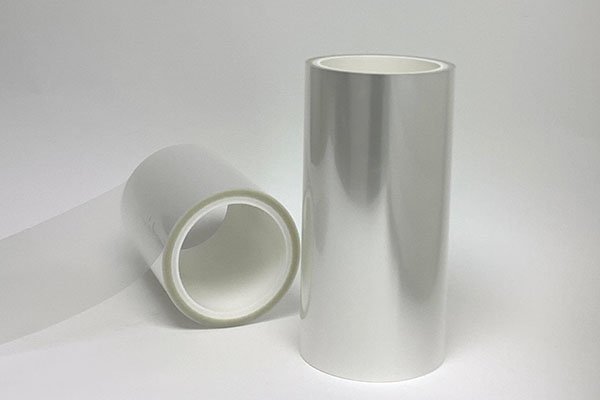
Conductive Transparent PET Plastic Sheet Rolls 1

Thermoforming ESD PET Sheet

Thermoforming ESD PET sheet for electronics packaging trays, anti-static blister packaging, component handling, and ESD-safe thermoformed parts.
Learn More >>
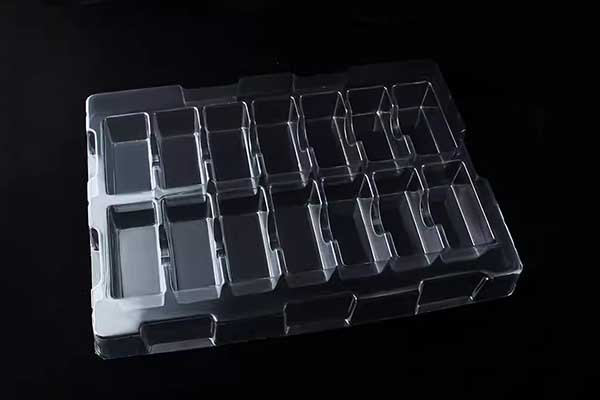
ESD Coated PET Sheet

Anti-Static PET Sheets

Anti-static PET sheets for ESD packaging, electronics trays, component protection, and industrial anti-static plastic sheet applications.
Learn More >>
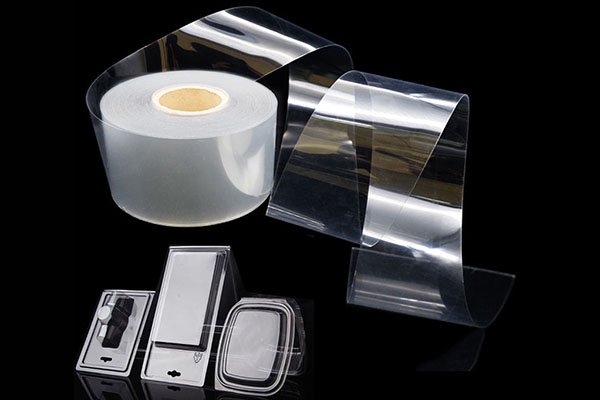
Conductive PET Plastic Sheet 5

ESD PET Sheet

ESD PET sheet for electronics anti-static packaging, thermoformed trays, separators, and protective packaging with stable surface resistance performance.
Learn More >>
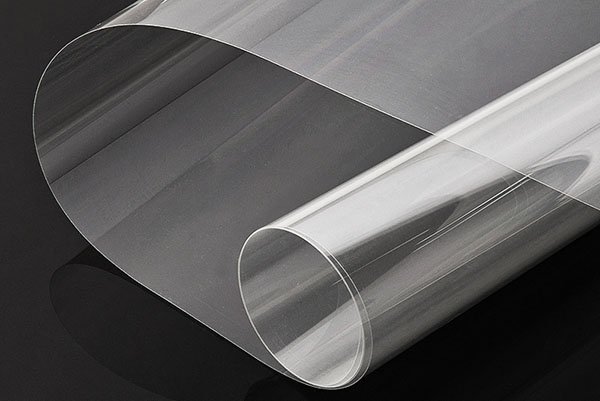
Antistatic ESD PET Film Roll 4

Antistatic ESD PET Film

Antistatic ESD PET film for electronics packaging, static dissipative trays, component protection, and conductive plastic film applications.
Learn More >>
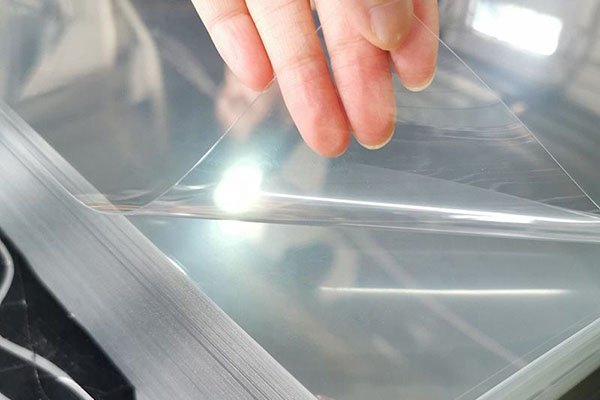
Conductive PET Plastic Sheet 1

Conductive PET Sheet | ESD-Safe Electronics | Goflexpet

Conductive PET sheet for ESD-safe electronics packaging, component trays, anti-static thermoforming, and conductive plastic sheet applications.
Learn More >>
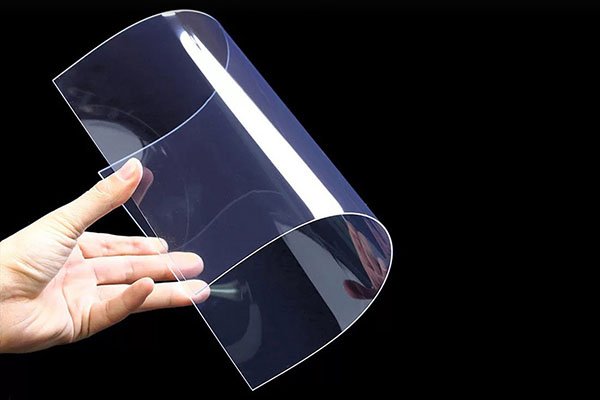
Conductive Transparent PET Plastic Sheet Rolls 2

Transparent Conductive PET Film Rolls

Transparent conductive PET film rolls for ESD-safe electronics packaging, conductive plastic sheet applications, and anti-static industrial material supply.
Learn More >>

ESD PET Sheet and Anti-Static PET Film

Static is not a nuisance in electronics packaging — it is a yield problem. A tray that generates a charge as a component is lifted out can destroy a device that passed every test upstream, and the failure often shows up much later, in the field. Goflexpet produces ESD PET sheet on its own extrusion and coating lines in Ganzhou, China, in resistance classes from static-dissipative through to fully conductive. This page explains how the classes differ, what you need to specify, and what we need from you to quote.

Resistance Classes and What They Mean

The property that matters is surface resistance, and it decides which class of material belongs in your process. Three ranges cover almost all electronics work:

  • Antistatic, 10⁹–10¹¹ Ω — prevents charge generation from handling and separation; the usual choice for general component packaging
  • Static-dissipative and semi-conductive, 10⁶–10⁹ Ω — bleeds accumulated charge away in a controlled time rather than instantly
  • Conductive, 10⁴–10⁶ Ω — provides a low-resistance path to ground, used for the most sensitive devices and for shielding applications

Buyers running a formal ESD control program normally work to ANSI/ESD S20.20 and will already know the range their audit requires. If you do not, tell us the device sensitivity and the handling steps involved, and we will recommend a class rather than guessing at one.

Coated and Compounded: Two Ways to Build ESD Plastic

There is more than one route to an ESD plastic, and the route changes how the material behaves over its life. On-line coating applies the antistatic layer during extrusion, giving an even surface at a lower cost per square meter. Off-line coating is applied as a separate pass and reaches the lower conductive ranges around 10⁴–10⁶ Ω. Compounded material carries the additive through the polymer, so the property does not wear off with handling or wash-down. Topical treatments are cheaper and are perfectly adequate for single-trip packaging; permanent grades are the right ESD sheet material where trays are cycled, cleaned and reused for years.

Formats and Specifications

Thin-gauge ESD film on rolls covers interleaving, lidding and separator layers, while rigid sheet covers thermoformed trays and fabricated parts. Both come off the same lines to the same resistance specification.

  • Thickness 0.18–1.8 mm, held to a tolerance agreed before production
  • Width 200–1400 mm, edge-trimmed to ±1 mm
  • Rolls on 76 mm cores for automated thermoforming, or cut sheet for shorter runs
  • Clear and black options, with color matched to a Pantone or RAL reference
  • One or both sides protected with a peelable film where surface finish must survive shipping

Conductive PET is also supplied as transparent film on rolls, where the surface has to carry current without blocking light — the substrate behind touch panels and interactive displays.

Applications

Thermoformed trays and blisters for ICs, connectors, sensors and PCB assemblies are the largest use, followed by interleaving and separator layers inside shipping cartons. Fabricators also use rigid ESD plastic sheet for machine guards, bin dividers and workstation surfaces in assembly areas, where a clear panel must not become a charge source. The material thermoforms on standard tooling, so a converter switching from ordinary PET usually needs a temperature adjustment rather than a new mold.

Working with an ESD Sheet Manufacturer Directly

We are a manufacturer, not a reseller: the extrusion lines, the coating step and the quality lab are in the same plant. That matters for anti-static work more than for most materials, because when a batch reads outside your specified range, the answer has to come from whoever controls the coating recipe. As a direct ESD sheet supplier we can adjust the class, gauge, width and color for a specific program, support OEM and ODM runs, and hold the specification stable across repeat orders. Every batch is tested before it ships, and reports are issued on request.

ESD Plastic Sheet China Buyers Can Rely On

Buyers sourcing this material from China are usually weighing landed cost against the risk of an inconsistent supply chain. The practical safeguard is to buy from the ESD plastic sheet factory rather than from a trading company, confirm the resistance range in writing, and qualify a sample on your own forming line before the first container. We hold ISO 9001 certification and comply with REACH and RoHS, export routinely to the USA, Europe, Mexico, Brazil and South and Southeast Asia, and will send material for qualification before you commit to volume.

What to Include in Your Inquiry

  • Required surface resistance range, and the standard or audit it comes from
  • Whether the property must be permanent or single-trip is acceptable
  • Thickness, roll width and diameter, or cut sheet size
  • Forming method and tooling, plus any wash or reuse cycle
  • Color, transparency and protective film requirements
  • Volume, schedule and destination country

FAQ

What surface resistance should I specify?

Choose the range from the sensitivity of the devices you are packing. Antistatic material at 10⁹–10¹¹ Ω suits general component handling, static-dissipative at 10⁶–10⁹ Ω suits sensitive assemblies that need controlled discharge, and conductive material at 10⁴–10⁶ Ω suits the most sensitive parts and shielding. If your ESD program follows ANSI/ESD S20.20, the audit requirement decides it for you.

Is the anti-static property permanent?

It depends on the grade. Topically coated material carries the property on the surface, which is fine for single-trip packaging but can degrade with repeated handling and cleaning. Compounded grades carry the additive through the polymer, so performance holds across reuse and wash cycles. Tell us whether trays are returned and reused, and we will quote the appropriate construction.

Can the material be thermoformed?

Yes. Our anti-static and conductive PET is supplied specifically for thermoforming into trays, blisters and custom cavities, and runs on standard vacuum and pressure forming tooling. Converters moving over from ordinary PET normally need a small adjustment to heating profile rather than new molds. We supply roll stock for automated lines and cut sheet for shorter production runs.

Do you supply black and transparent versions?

Both. Black conductive material is the common choice for component trays where light transmission does not matter, and transparent conductive film is supplied on rolls for touch panels, displays and applications where the part has to stay visible. Custom colors are matched to a Pantone or RAL reference, and one or both faces can carry a peelable protective film.

What are your minimum order quantity and lead time?

Both depend on the resistance class, gauge, width and color, because coated and compounded grades run differently. Send the specification with your target volume and we will confirm minimum quantity, lead time and pricing together. Sample material for qualification is available ahead of a bulk order so you can test the forming and resistance behavior on your own line first.

GOFLEXPET

GOFLEXPET is a leading Chinese manufacturer specializing in PET (Polyethylene Terephthalate) and PETG (Polyethylene Terephthalate Glycol) films and sheets. Leveraging over 10 years of expertise and advanced automated production lines, Our provide high-performance, high-quality plastic film solutions for diverse industries, including packaging, electronics, automotive, medical, and printing.
SEND INQUIRY
+86 19907970330
Room 1501, Building 4, Chengfa Financial Center,Gannan Avenue,Dongshan Sub-district Office, Nankang District, Ganzhou City, Jiangxi Province
Copyright © 2026 Goflexpet | PET Film Manufacturer. All Rights Reserved
linkedin facebook pinterest youtube rss twitter instagram facebook-blank rss-blank linkedin-blank pinterest youtube twitter instagram