



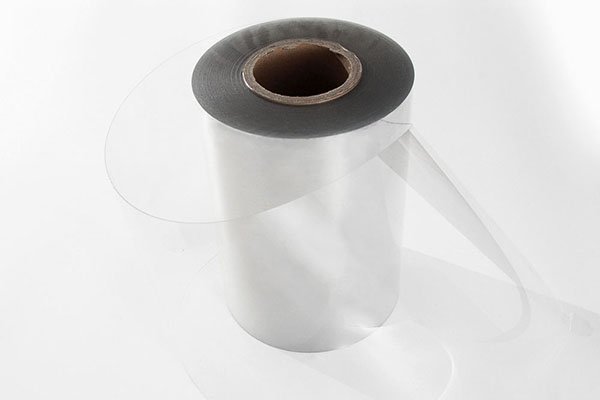
Use this checklist when requesting a quotation for roll stock or cut sheets. Confirm the exact grade and construction; APET, PETG, GAG and recycled-content PET are not interchangeable specifications.
| Item | Details to confirm |
|---|---|
| Material | Grade, layer construction, virgin or recycled-content requirement and intended use |
| Thickness | Existing listed range: 0.18–1.8 mm; confirm availability and tolerance for the chosen grade |
| Width | Existing listed range: 300–1400 mm; confirm usable width and tolerance |
| Roll format | Core dimensions, maximum roll diameter and weight, winding direction, edge alignment and splice limits |
| Cut sheets | Length, width, squareness, flatness, edge finish and protective-film requirement |
| Surface and appearance | Colour or clarity reference, treatment side and appearance acceptance limits |
| Converting | Equipment, forming or cutting process, printing or sealing system and finished-part drawing |
| Special requirements | Specify ESD, anti-fog, barrier or food-contact needs separately with the required tests and documents |
| Delivery | Quantity, packing, destination, delivery terms and required schedule |
Listed dimensions are enquiry references. Confirm the available combination, sample quantity and production terms in the quotation before ordering.
Give each supplier the same grade, dimensions, tolerances, surface requirements, quantity, packing and destination. Ask quotations to identify exclusions and delivery terms. A price for a different thickness, construction or roll configuration is not a like-for-like comparison.
Start with the converting process and finished-part requirements. Ask for the exact proposed grade and layer structure, then trial the material using the intended equipment. Review APET sheet options and GAG clear plastic sheets when preparing the specification.
No. State the intended use, contact conditions or electrical performance requirement. Request supporting documents and agree test methods for the exact material. A generic PET label or a photograph does not establish regulatory compliance or static-control performance.
Measure dimensions and inspect appearance, feeding and converting performance. For printing, lamination or sealing, use the intended ink, adhesive or mating material. Record the settings and acceptance results so the approved sample can be linked to the production specification.
Retain the approved specification and sample identification. Confirm batch labelling, packing, delivery schedule and procedures for substitutions or material changes. Check incoming material against the agreed criteria rather than assuming every PET grade behaves the same way.

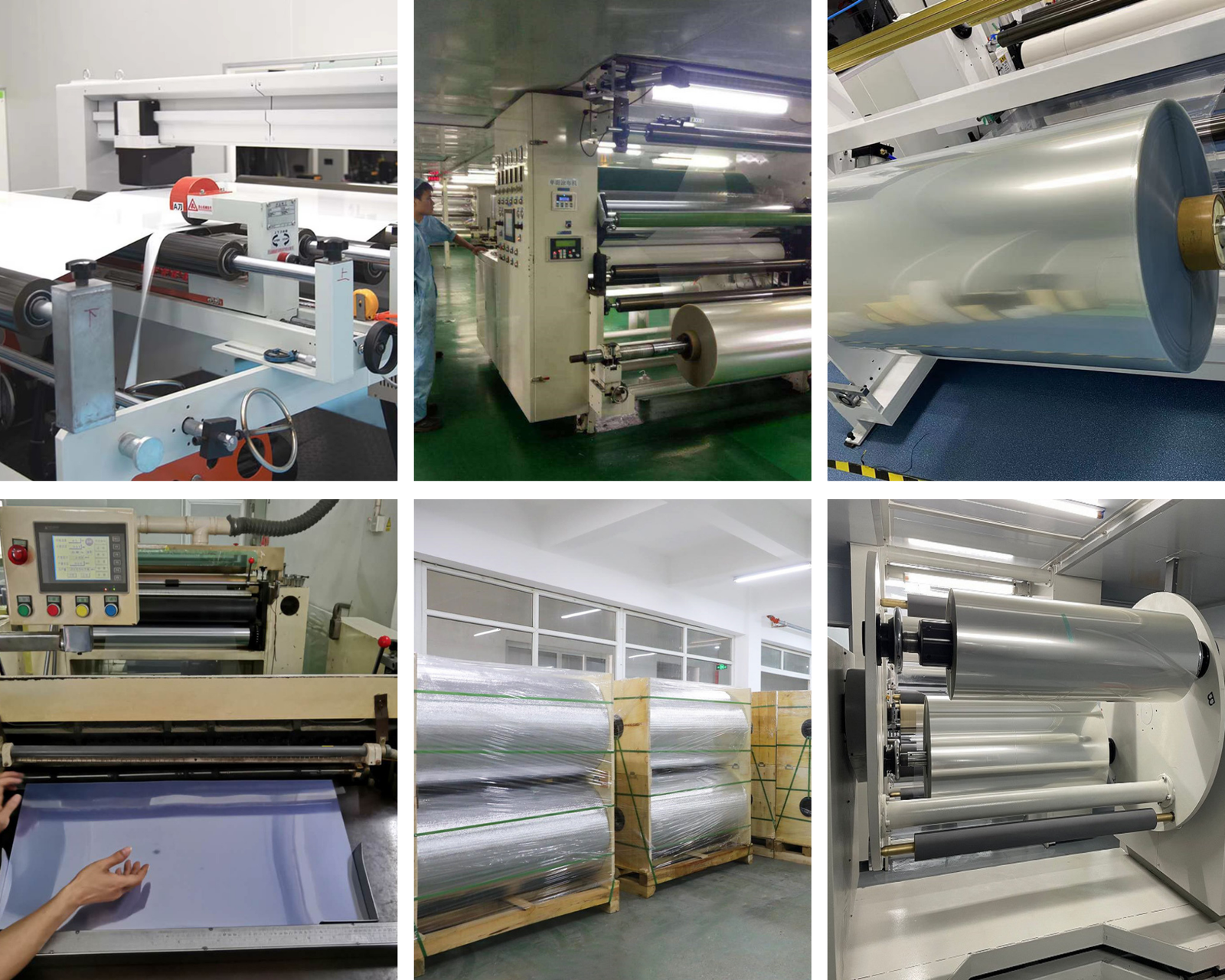
Use these related application collections to compare material format, thickness, surface treatment, forming behavior and RFQ details before requesting a production quote.
