
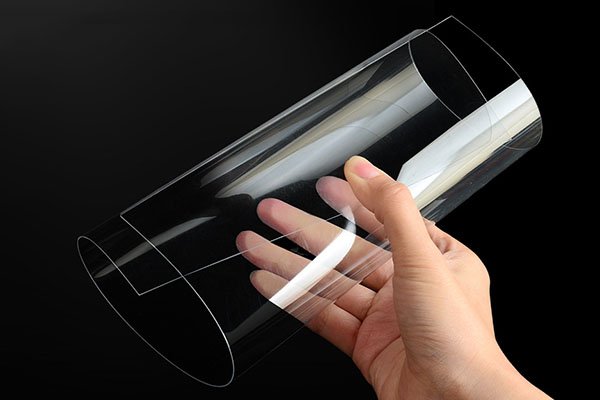
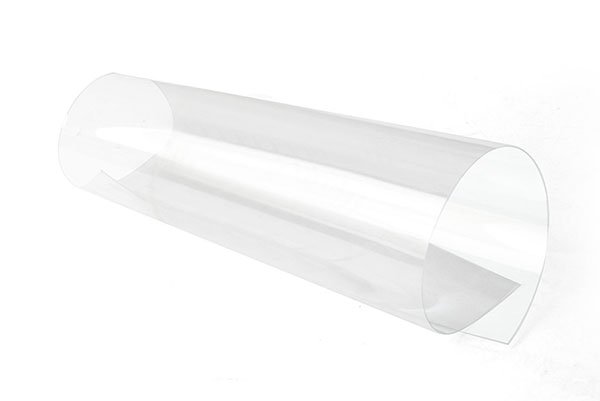
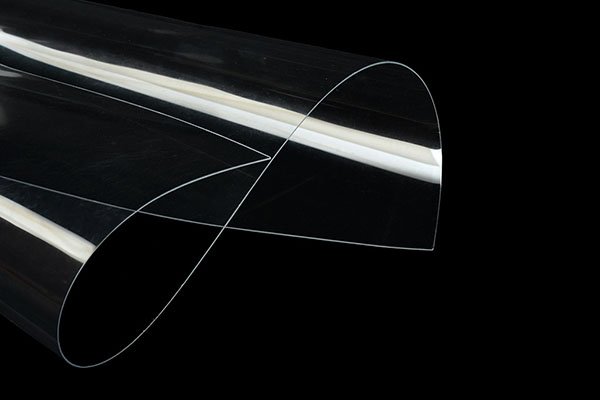

Review the proposed PET sheet against the drawing and intended fabrication process. Confirm the quoted material, dimensions and appearance, then approve a representative part for the agreed fit and handling conditions. A general material description does not establish an impact rating, outdoor exposure limit or approval for a protective application.
Our Advantages
Professional manufacturer and supplier of PET Sheet, offering wholesale online services with competitive pricing.
Full support for OEM & ODM projects to meet customized requirements.
Factory-direct supply ensures cost-effective and stable sourcing.
Over 10 years of export experience serving global markets.
Request applicable certificates or test reports for the proposed PET grade and intended use. Verify the issuer, material identification, scope and validity before approval.
Where a specific decorative or manufacturing process or patent is relevant, request its identifier, applicable product scope and supporting technical documents.
The following items define project requirements to agree with the supplier, rather than tested property values for every PET sheet.
| Review item | What to confirm |
|---|---|
| PET grade and construction | Identify the quoted PET grade, sheet construction and material reference. Confirm any recycled-content or surface-treatment requirement separately. |
| Sheet or roll format | Specify cut-sheet dimensions or usable roll width, core, winding and roll-size limits as applicable. |
| Thickness and tolerance | State nominal thickness and dimensional tolerances. Agree on the inspection points relevant to the part or package. |
| Clear appearance | Approve a reference under agreed viewing conditions. Define acceptable tint, haze, surface marks and edge appearance. |
| Fabrication trial | Provide the drawing and intended cutting, forming, printing or mounting steps. Inspect a representative finished part. |
| Fit and handling | Define the required fit, support, handling and transport conditions. Review the completed part against the agreed acceptance criteria. |
| Use-specific evidence | State contact, storage, exposure and destination-market requirements. Request evidence for the actual grade and use; identify any antifog, electrical, barrier or UV requirement separately. |
| Approval and delivery | Retain the approved material and part references, inspection plan, quantity and protective packing requirements with the order. |
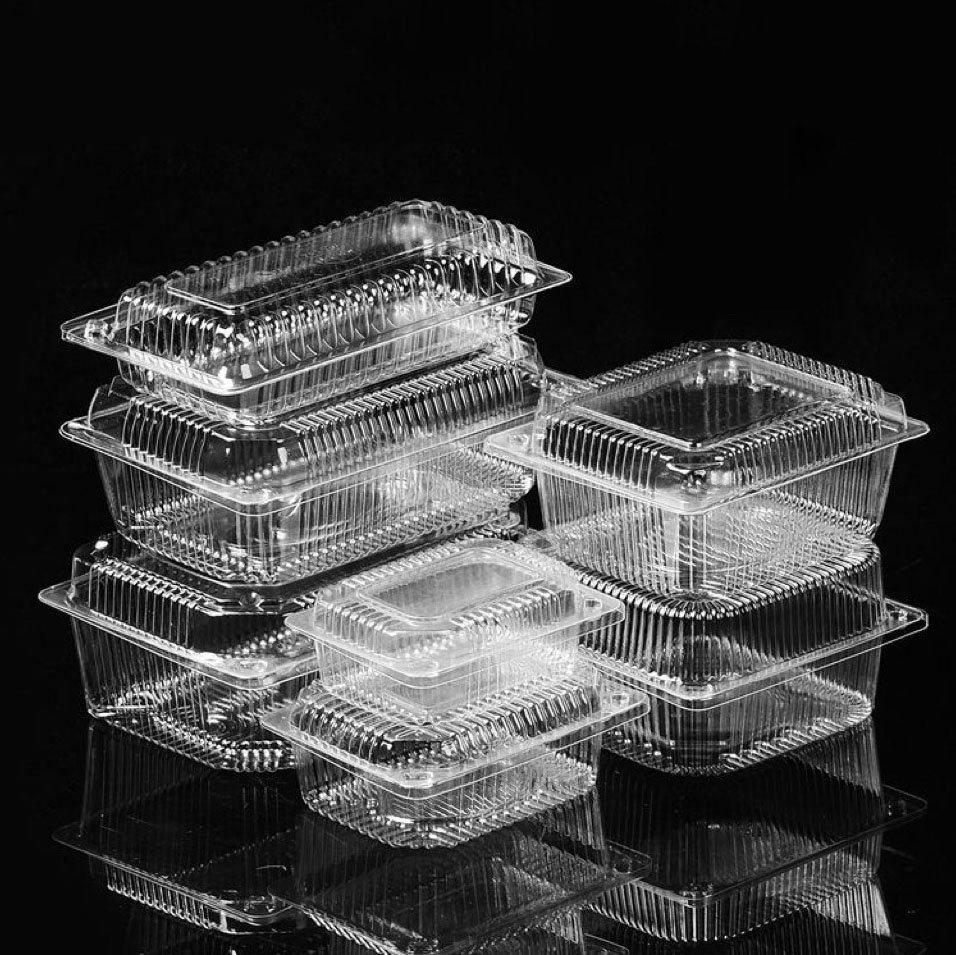
Evaluate the proposed PET grade, thickness and fabrication process against the drawing and intended use. Review the appearance and handling of a representative finished sample before approving supply.
Inspect clarity, tint, haze and surface marks under agreed viewing conditions. If light transmission or haze is specified numerically, agree the test method, specimen thickness, conditioning and acceptance limit, and request results for the proposed grade.
Use the intended cutting, forming, printing or mounting process. Check dimensions, edge quality, fit and surface condition on the finished part. A general rigid PET description does not establish an impact rating or approval for a protective component.
Specify the expected temperature, humidity, light exposure and cleaning conditions. Do not assume UV resistance or outdoor service life; obtain relevant grade-specific evidence and agree appearance and functional limits after testing.
Confirm the complete construction, including printing, coatings, labels and attached materials. Check collection and acceptance with the relevant recycler before making a recyclability claim.
Keep the quoted grade, approved sample, drawing, test records, permitted variation and packing requirements with the order.

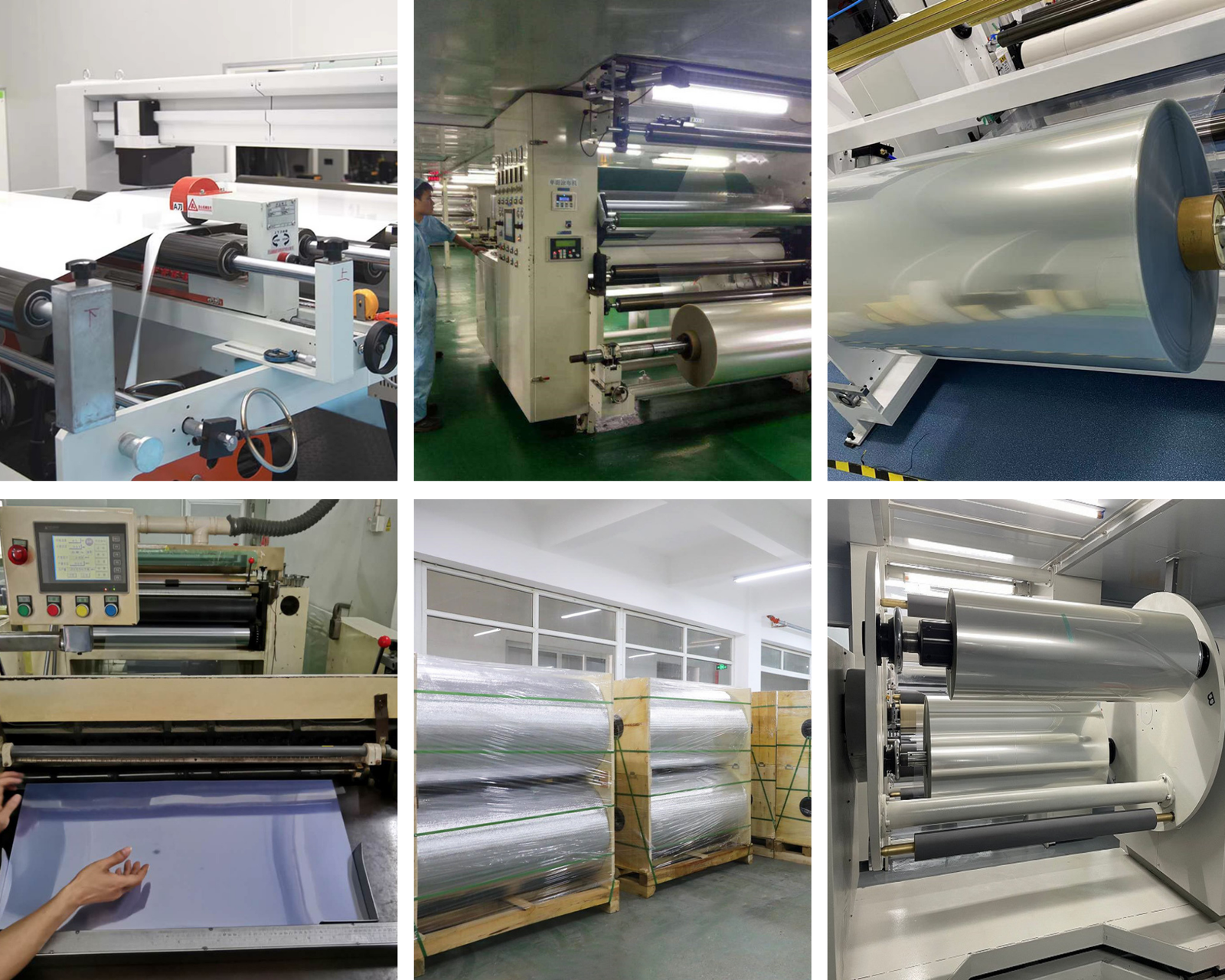
Use these related application collections to compare material format, thickness, surface treatment, forming behavior and RFQ details before requesting a production quote.
