


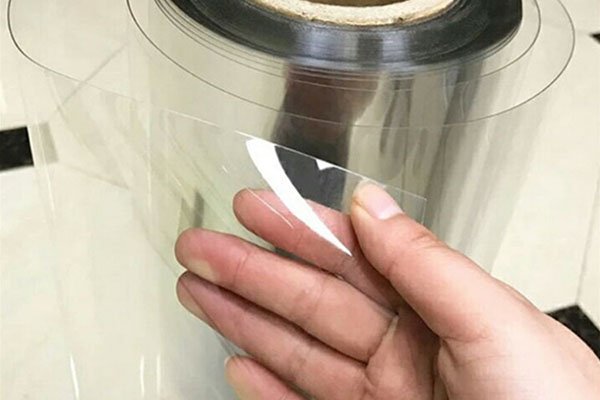

Define the packaging application, sheet dimensions and anti-fog acceptance conditions before comparing quotations. Review the selected APET grade on a formed sample using the intended packing, storage and display conditions. A general material description does not establish the performance of a particular grade or finished package.
| Item | Information to confirm |
|---|---|
| Material | APET (amorphous polyethylene terephthalate); identify the selected anti-fog grade and treatment. |
| Application | Describe the packaged product, package design, filling conditions, storage temperature and expected display environment. |
| Thickness and dimensions | Provide target thickness and tolerance, roll width or sheet size, required quantity and the dimensions of the finished part. Confirm the available specification in the quotation. |
| Anti-fog acceptance | Agree the temperature, humidity, exposure time and visibility criteria used to assess condensation on the selected sheet and finished package. |
| Treated surface | Confirm single-sided or double-sided treatment, the surface facing the packaged product and handling requirements before forming. |
| Forming trial | Review the actual tooling, part depth, machine settings and trimming process. Check clarity, wall thickness and anti-fog behavior after forming. |
| Optical requirements | Approve clarity and surface appearance on an identified sample. Agree any haze or gloss measurement, specimen thickness and test method. |
| Food-contact requirements | State the destination market, food type, contact time and temperature. Request applicable documentation identifying the exact grade and intended conditions of use. |
| Roll handling and packing | Specify core size, roll diameter or weight limits, winding direction, protective packing and shipment requirements. |
| Order confirmation | Confirm the approved sample, grade reference, quantity, delivery schedule and commercial terms in the quotation before placing an order. |
Keep the approved sample and specification with the order reference so subsequent supply can be compared consistently.

1. Anti-Fog Performance Under Your Conditions
Define the temperature, humidity and exposure time for the intended package. Compare condensation and visibility on a formed sample, including any handling or washing expected in use. Confirm the treatment type and duration for the selected grade.
2. Clarity and Surface Appearance
Approve an identified sample at the required thickness. Check haze, gloss, surface marks and product visibility under the lighting used for inspection and retail display.
3. Package Protection Requirements
Specify any oxygen or moisture barrier target separately. Anti-fog appearance alone does not establish barrier performance or shelf life; assess the complete package against the requirements of the packed product.
4. Food-Contact Documentation
Identify the destination market, food type, contact time and temperature. Review applicable documents for the exact APET grade and intended use before approval; a general material name or supplier claim does not confirm compliance.
5. Handling and Package Strength
Agree the handling, stacking and transport conditions for the finished package. Test the formed part for cracking, puncture, deformation and surface damage against the agreed acceptance criteria.
6. Thermoforming and Line Trials
Evaluate the selected sheet on the intended tooling and equipment. Record forming conditions, part depth, wall thickness, trimming quality and anti-fog behavior after forming before approving bulk supply.
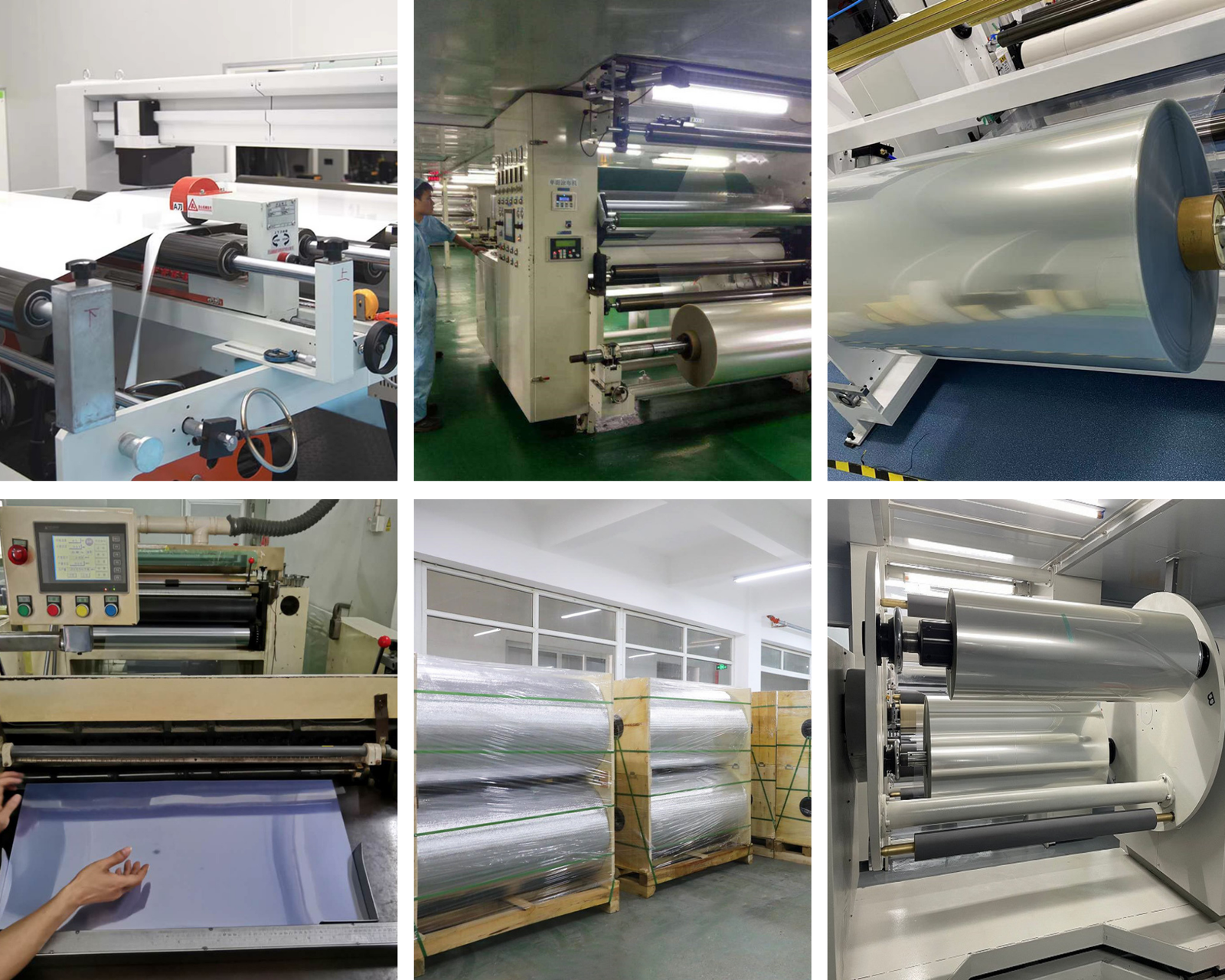
Use these related application collections to compare material format, thickness, surface treatment, forming behavior and RFQ details before requesting a production quote.
