
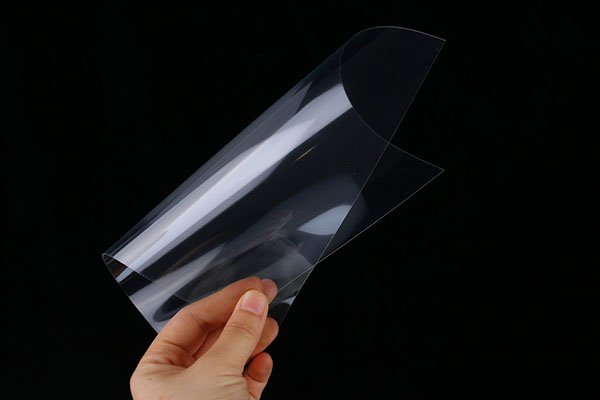
An anti-fog APET sample review needs an identified material, a representative package and agreed observation conditions. Use this guide to plan a comparison that records what was tested and what remains unverified. It is a buyer planning workflow, not a validated laboratory method or a statement of performance for a Goflexpet grade.
For available material options, use the Anti-Fog APET Film for Food Packaging application page. Use the product pages to discuss the quoted film or sheet specification. This article focuses on keeping a useful evaluation record before sample approval. For material-selection questions, review the APET vs PET sheet guide for thermoforming alongside your sample evaluation plan.
Describe the problem you need to assess: visibility through a lid during chilled display, condensation after a temperature change, or appearance after forming. Identify the actual package and contents, how it will be closed, and the intended storage and display sequence. Agree which observations would count as acceptable and which would require another trial.
Avoid accepting a sample on the basis of a clear appearance immediately after unpacking. That observation should be recorded separately from the conditions the finished package is expected to face.
Give each candidate a reference. Record the supplier grade, lot or sample reference, nominal thickness, sheet or roll format, treatment description and intended facing side. Mark the package orientation in the record so it can be reproduced without relying on memory.
If a detail is unknown, label it unknown and ask the supplier before treating two samples as equivalent. Keep an unprocessed reference sample where practical so the original material and the converted package can be discussed separately.
List the conditions that will be held consistent when comparing candidates: package geometry, contents, closure, handling sequence, storage or display conditions, observation times and inspection lighting. Record deliberate differences explicitly. Decide in advance how many samples and repeat observations the project needs; a single observation should not be presented as proof of repeatability.
There is no universal pass time or temperature supplied by this guide. Select a suitable method and acceptance criteria for the actual use with the supplier or a qualified testing provider.
Record the forming or converting sequence used for each candidate, including the equipment and settings relevant to the trial. Keep photographs of the package and material identification together. Check the intended facing side and note any handling, printing, sealing or surface contact that occurred before evaluation.
Assess the representative package using the agreed conditions. Separate observations of condensation, visibility, surface appearance and package integrity so that one result does not silently substitute for another.
For each observation, record:
Use the same record headings for each candidate. When changing a trial condition, keep the earlier result and identify the change rather than overwriting it.
If samples give different results, first compare their identities, facing sides, package preparation, processing history and observation conditions. Discuss the recorded differences with the supplier before attributing the result to the material alone. If a relevant condition was not recorded, plan a documented repeat instead of guessing the cause.
A clear package observation does not by itself demonstrate shelf-life extension, barrier performance or food-contact suitability. Keep those requirements and the evidence for the exact proposed grade and use in separate review records.
Before approving supply, retain the selected sample reference, agreed specification, evaluation plan, observations, unresolved limitations and the person responsible for approval. State how a proposed change to the material, treatment or processing conditions will be reviewed. Use the record when discussing repeat supply so a later quotation refers to the material and conditions actually assessed.
Send Goflexpet your package description, candidate dimensions, converting steps, intended use conditions and proposed evaluation question. Use the application page for material routing and the product pages for grade-specific quotation discussions.
Anti-fog APET film is used for refrigerated and fresh food packaging where moisture can reduce product visibility, including fruit trays, vegetable packaging, bakery containers, deli packaging, and prepared food trays.
Buyers should test anti-fog durability, transparency, haze, thermoforming performance, thickness tolerance, seal compatibility, food-contact requirements, and packing conditions.
Related pages: Anti-Fog APET Film for Food Packaging, Food Grade PET Plastic Sheet Rolls, APET Sheet, and Request a quote.
