

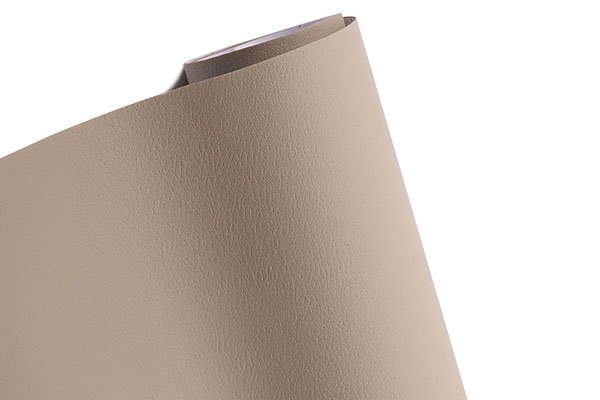


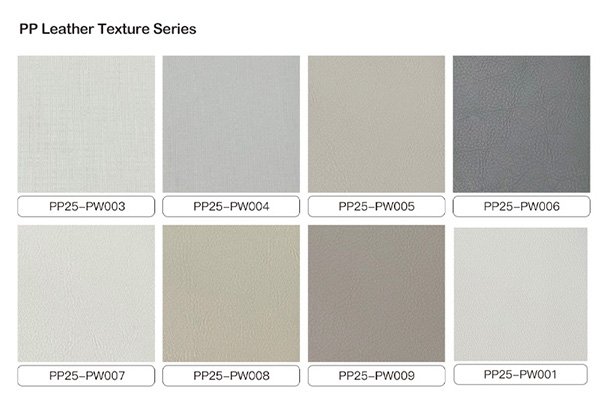


Define the decorative face and the manufacturing route before comparing quotations. Use the same board, adhesive and edge design in the approval trial that you intend to use in production.
| Material and finish | PETG decorative film; identify the grade, color reference, sheen, texture and face direction. |
| Thickness | Published range: 0.18–1 mm or customized. Confirm nominal thickness, tolerance and availability for the selected grade. |
| Width and supply format | Published width range: 300–1400 mm, subject to grade confirmation. Specify usable width and roll or sheet format. |
| Cabinet substrate | Identify the board type, surface preparation, dimensions and whether the front is flat or shaped. |
| Lamination route | State the proposed adhesive, equipment and processing conditions for compatibility review and trial planning. |
| Edge construction | Provide the edge-band material or profile detail, joint location and the appearance to be approved. |
| Use and acceptance | Specify the expected cleaning method and exposure conditions, with agreed inspection or test criteria for the completed cabinet panel. |
If anti-fingerprint, scratch resistance, heat resistance or an emissions requirement is part of the project, state the required method and acceptance limit. Request evidence for the proposed grade and construction before including the claim in the approved specification.

Identify which parts of the cabinet range use flat lamination and which require a shaped face or profiled edge. Provide drawings or representative components so that the proposed film and trial can be reviewed for each construction. Record the selected grade and finish rather than approving a material name alone.
Inspect the laminated face for visible defects and the edge joint for the agreed appearance. Include corners, cut-outs and handle areas in the sample review where they are part of the design. Keep a record of the board, adhesive, equipment and trial conditions used for the approved component.
State whether the cabinet is intended for a kitchen, bathroom, office or another setting. Identify expected cleaning products and any heat, moisture or contact requirements. Agree on the relevant test conditions, acceptance criteria and care instructions before approving the construction.
Retain an identified laminated sample and its inspection record. Confirm how appearance and bond quality will be checked on production panels, and how changes to the film, board, adhesive or edge construction will be reviewed.
For the broader furniture application, see decorative film for furniture panels. Use custom color PETG film for color-reference approval, and the PETG decorative film selection guide for finish comparisons.

Record the board type, surface condition and preparation used for the trial. Include the panel dimensions and identify the decorative face and back.
Identify the adhesive and equipment. Agree on trial settings with the relevant suppliers and record the conditions used for each sample.
Compare color, sheen and texture against the agreed reference. Define the acceptance criteria for visible bubbles, marks and other surface defects before the trial.
Review the actual edge construction, including corner details and cut-outs. Agree on the appearance and bond checks for those areas rather than approving only a flat film sample.
Specify the intended cleaners and expected use conditions. Confirm the inspection or test plan and obtain suitable care instructions for the selected finish.
Record the approved sample, material references and trial conditions. Agree on production inspection and the review process for any proposed material or construction change.
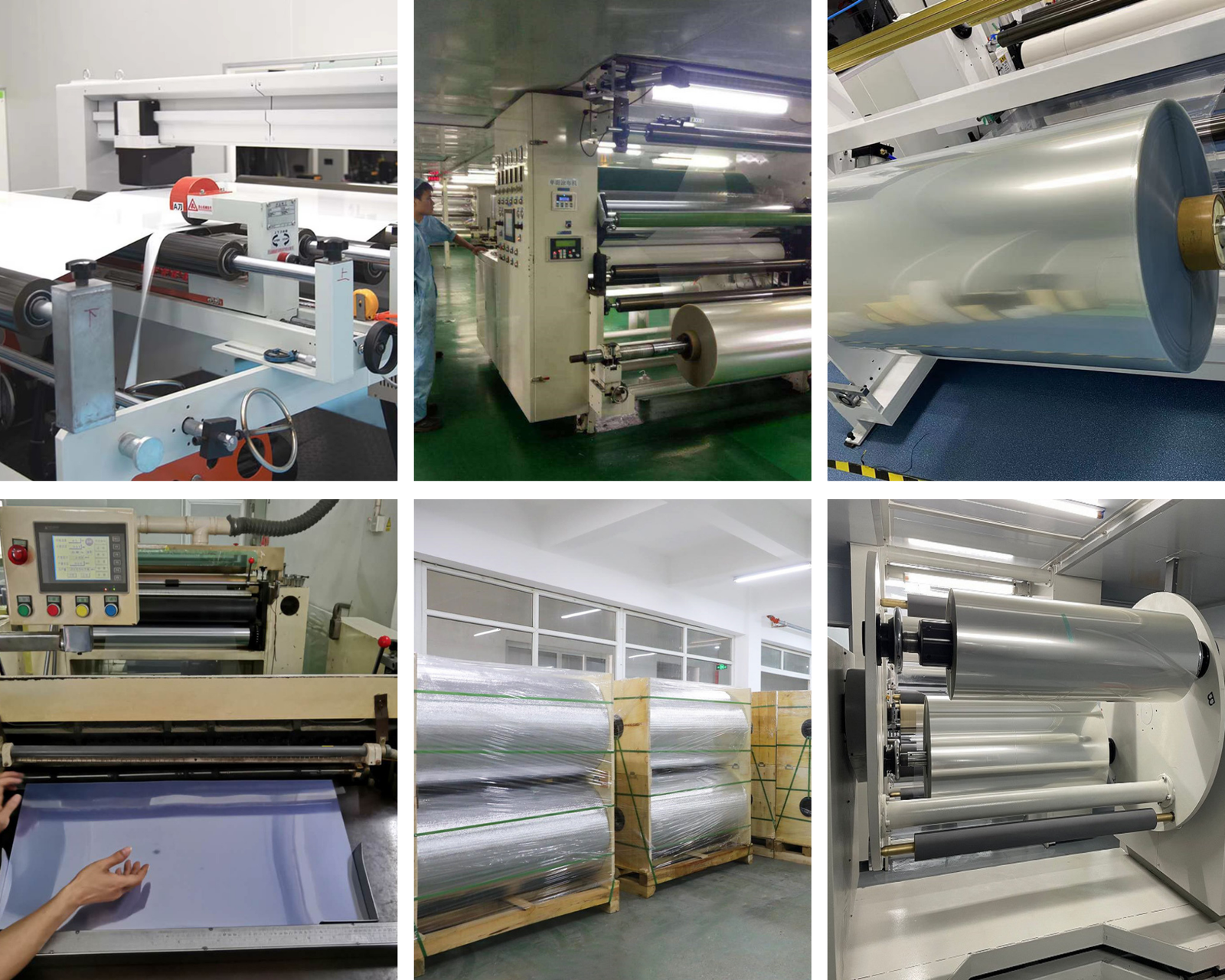
Use these related application collections to compare material format, thickness, surface treatment, forming behavior and RFQ details before requesting a production quote.
