


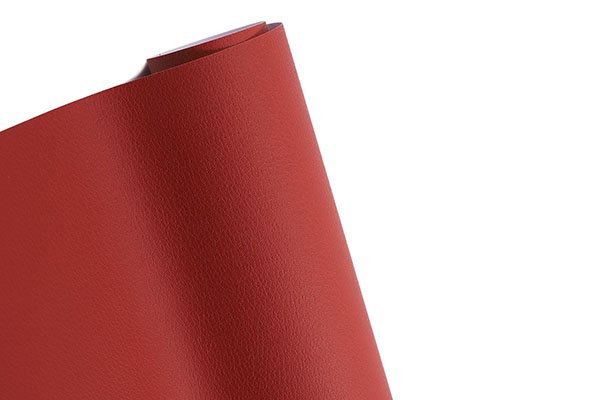
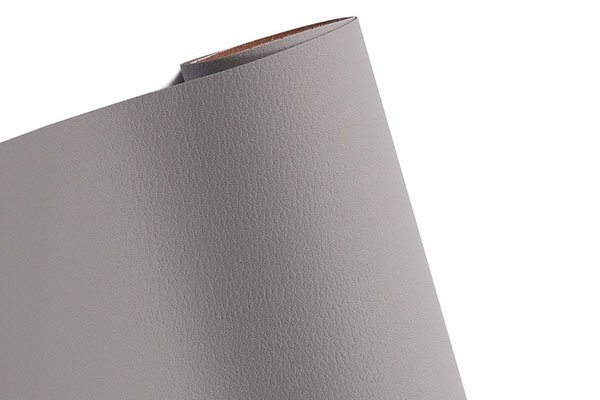
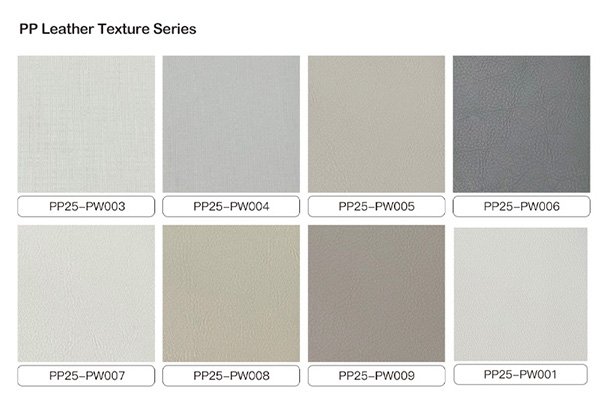


Select the decorative face together with the panel construction. For cabinet fronts, wardrobe doors and interior furniture panels, the film reference should identify the color, pattern, texture and sheen to be approved.
| Material | PETG decorative film; identify the proposed grade in the quotation. |
| Supply format | Roll or sheet; specify usable width, cut size and winding requirements. |
| Thickness | Published range: 0.18–1 mm or customized. Confirm grade availability, nominal thickness and tolerance before approval. |
| Width | Published range: 300–1400 mm. Confirm the usable width and tolerance for the selected finish. |
| Decorative face | Provide a physical reference or color code and specify pattern scale, embossing and sheen. |
| Panel and process | Identify MDF, particleboard or another proposed substrate, adhesive, lamination equipment and edge construction for compatibility review. |
| Acceptance criteria | Agree on appearance, adhesion, edge finish, cleaning method and any required surface test before the sample trial. |
The dimensions above are a starting point for an inquiry. The quotation and approved sample should identify the actual grade and finish supplied; packaging-film functions such as ESD, anti-fog or barrier performance should not be assumed for a furniture decorative grade.

This page focuses on PETG decorative film for furniture panels, including cabinet fronts, wardrobe doors, drawer fronts and interior joinery. Begin with the appearance and construction of the finished panel, then review a sample of the proposed film on the intended substrate.
Record the color, pattern scale, texture, sheen and viewing direction. For embossed or leather texture references, compare the tactile surface as well as the printed appearance. A photograph is useful for an initial inquiry, but use an agreed physical sample as the approval reference.
State the substrate type, surface preparation, adhesive, lamination process and edge detail. Evaluate the actual construction for adhesion, visible defects and edge appearance under agreed trial conditions. Flat lamination and shaped components can require different trials, so identify both in the inquiry where relevant.
For a broader comparison, read the PETG decorative film selection guide. Use the custom PETG film page for color and finish inquiries, or the cabinet lamination film page for cabinet-focused projects.

Compare the proposed color, pattern and embossing against the approved reference under consistent lighting. Agree on sheen, viewing direction and the acceptable variation across a panel and between production batches.
Run a trial on the actual substrate with the intended adhesive and lamination settings. Define the inspection method for bubbles, visible defects, bond quality and edge appearance before approving production.
Provide drawings or representative parts where the film must follow a profile or shaped edge. Confirm the proposed grade and trial conditions for that geometry, including how surface texture and color will be assessed after processing.
Identify the cleaners and expected contact conditions for the finished furniture. Where scratch, stain or chemical resistance is required, agree on the test method and acceptance threshold for the selected grade and panel construction.
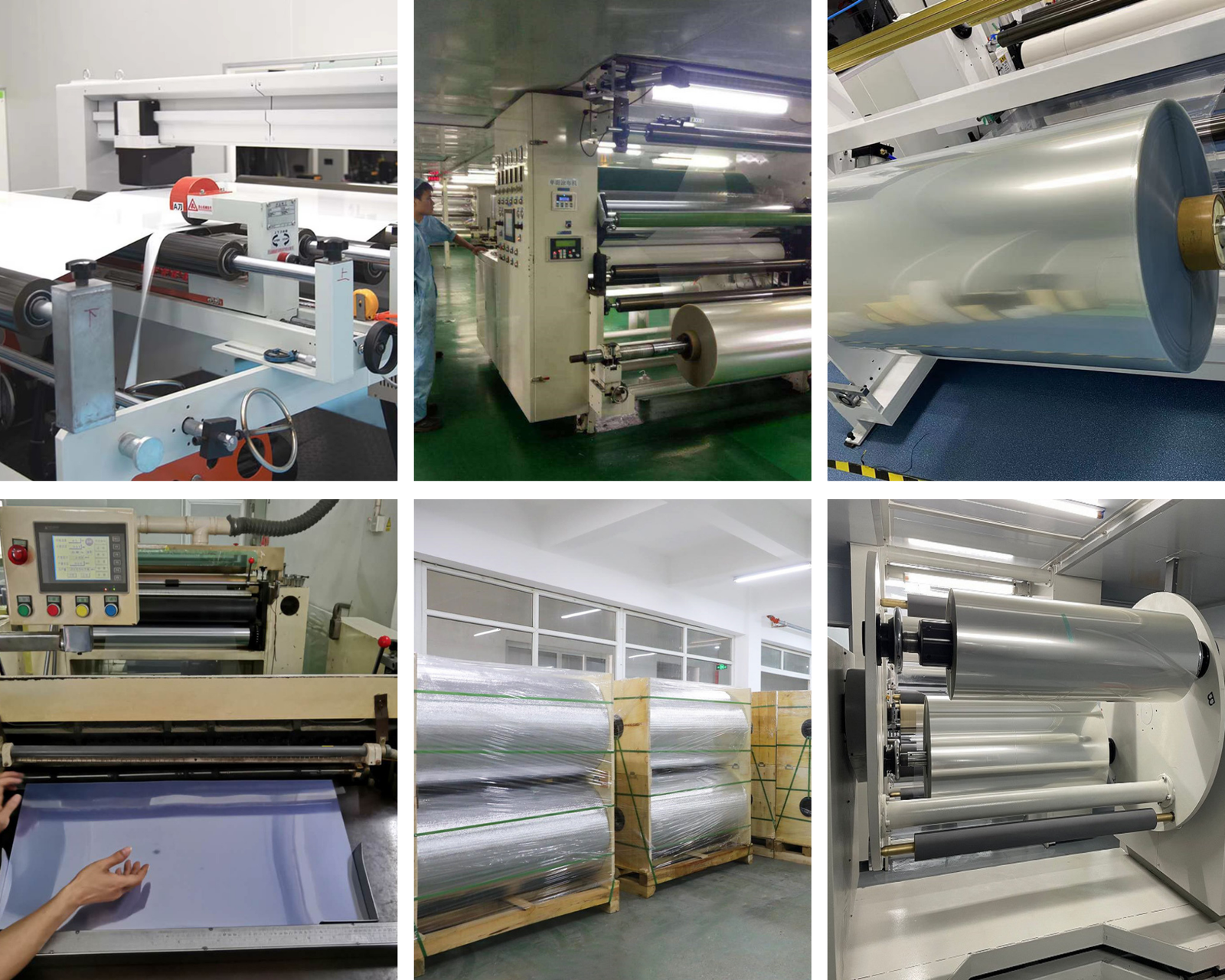
Specify whether protective film is needed and agree on its removal stage. Include packing, storage and handling requirements in the order so that the approved decorative face can be checked after delivery and processing.
Record the approved film reference, panel trial result, dimensions, tolerances and quantity in the quotation or order specification. Keep an identified reference sample for repeat orders, and agree on how proposed changes to the finish or construction will be reviewed.
Use these related application collections to compare material format, thickness, surface treatment, forming behavior and RFQ details before requesting a production quote.
