
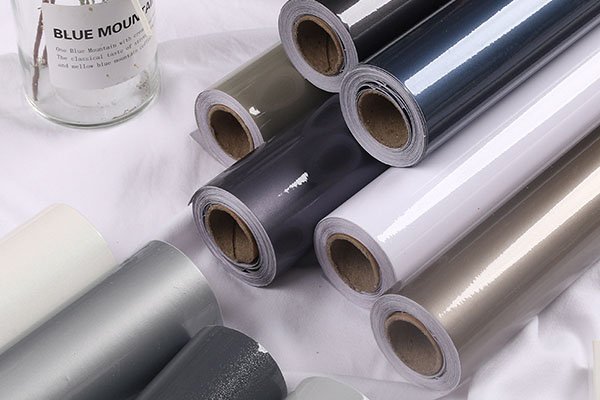
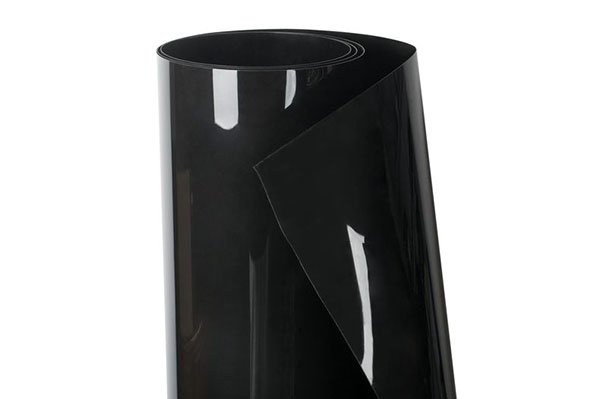
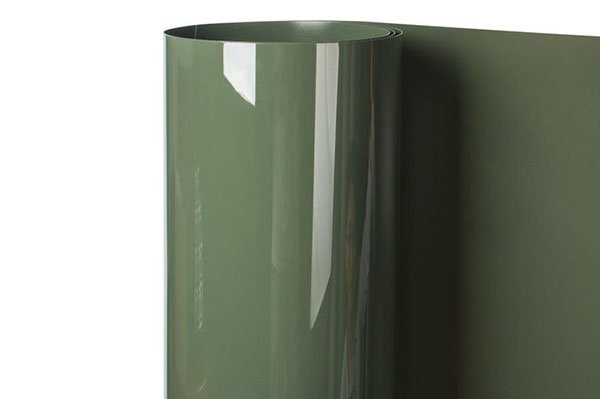
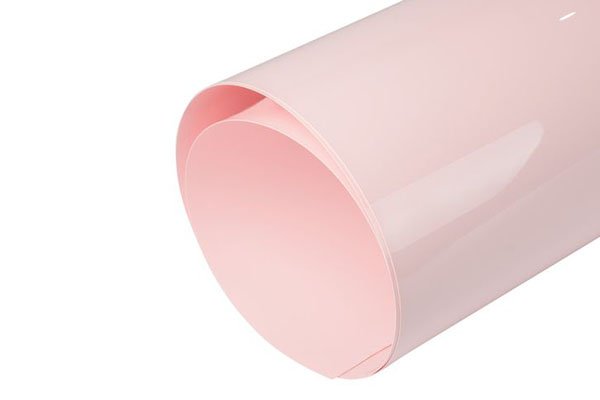

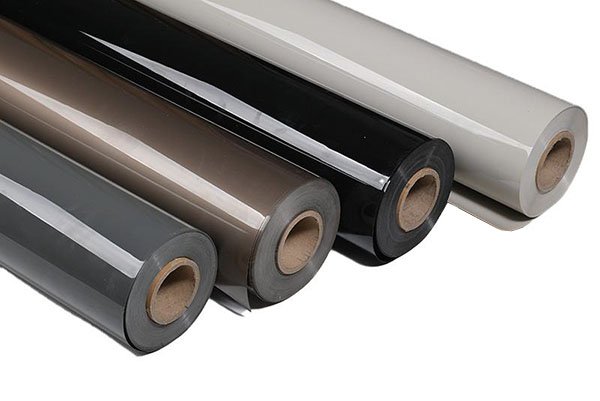

For a custom decorative PETG inquiry, define the target appearance separately from the processing and end-use requirements. A color code identifies a starting reference; the approved sample should also record the sheen, texture, thickness and panel backing used for comparison.
| Material | PETG decorative film; confirm the proposed grade and application in the quotation. |
| Color reference | Physical sample or identified color code, with the reference version and the face to be matched. |
| Surface finish | Specify gloss or matte appearance, texture and any pattern direction. Confirm the available combination by sample. |
| Thickness | 0.18–1 mm or customized, subject to confirmation for the proposed grade and finish. State the required nominal value and tolerance. |
| Width and format | 300–1400 mm published width range, subject to grade confirmation. Specify usable width, roll or sheet format and cutting requirements. |
| Sample approval | Agree on the lighting, backing, viewing direction and color-difference criteria before the color trial. |
| Order confirmation | Confirm sample identity, quantity, minimum order, lead time and packing in the quotation. |
Where the film will be laminated or formed, review a processed sample as well as the flat film. Record any required appearance and performance checks for the actual construction before approval.

Start with the physical panel, film sample or identified color code you want to match. State whether the reference represents the raw film or a finished laminated panel. Record its identifier so that samples and later orders can be compared against the same target.
Approve the appearance on a sample that represents the intended finish. Set consistent lighting, backing and viewing direction for visual comparison. If instrumental color measurements are required, agree on the measurement method and acceptable difference rather than using an unspecified tolerance.
Provide the substrate and intended lamination or forming process when the film becomes part of a finished component. Check the color and surface appearance on that component before approval. Identify the sample, process conditions and any accepted limitations in the trial record.
Keep an identified approval sample and the agreed inspection conditions. Confirm how new batches will be compared and how changes to the color reference, texture, grade or thickness will be reviewed. Discuss minimum quantity, sample stages and lead time in the quotation.
For panel-construction questions, see decorative film for furniture panels. Use the PETG decorative film selection guide to compare application requirements, or browse the PETG film directory for other finish references.

Label the target sample or color code and identify the surface being matched. Note whether a previous order or a new design is the reference.
Agree on the lighting, background and viewing direction used to assess samples. Include any instrumental measurement requirements in the approval record.
Review the required gloss or matte appearance and the tactile finish alongside color. Approve the combination on a representative sample, including pattern direction where relevant.
Where lamination or forming is required, inspect a sample made with the intended construction. Record the accepted color and surface appearance after that process.
Define the visual or measured color-difference limits and the procedure for resolving a mismatch. Confirm any separate cleaning, surface or processing requirements for the proposed grade.
Retain an identified approval sample and agree on batch comparison conditions. Confirm how changes to the reference, finish or material specification will be approved before supply.
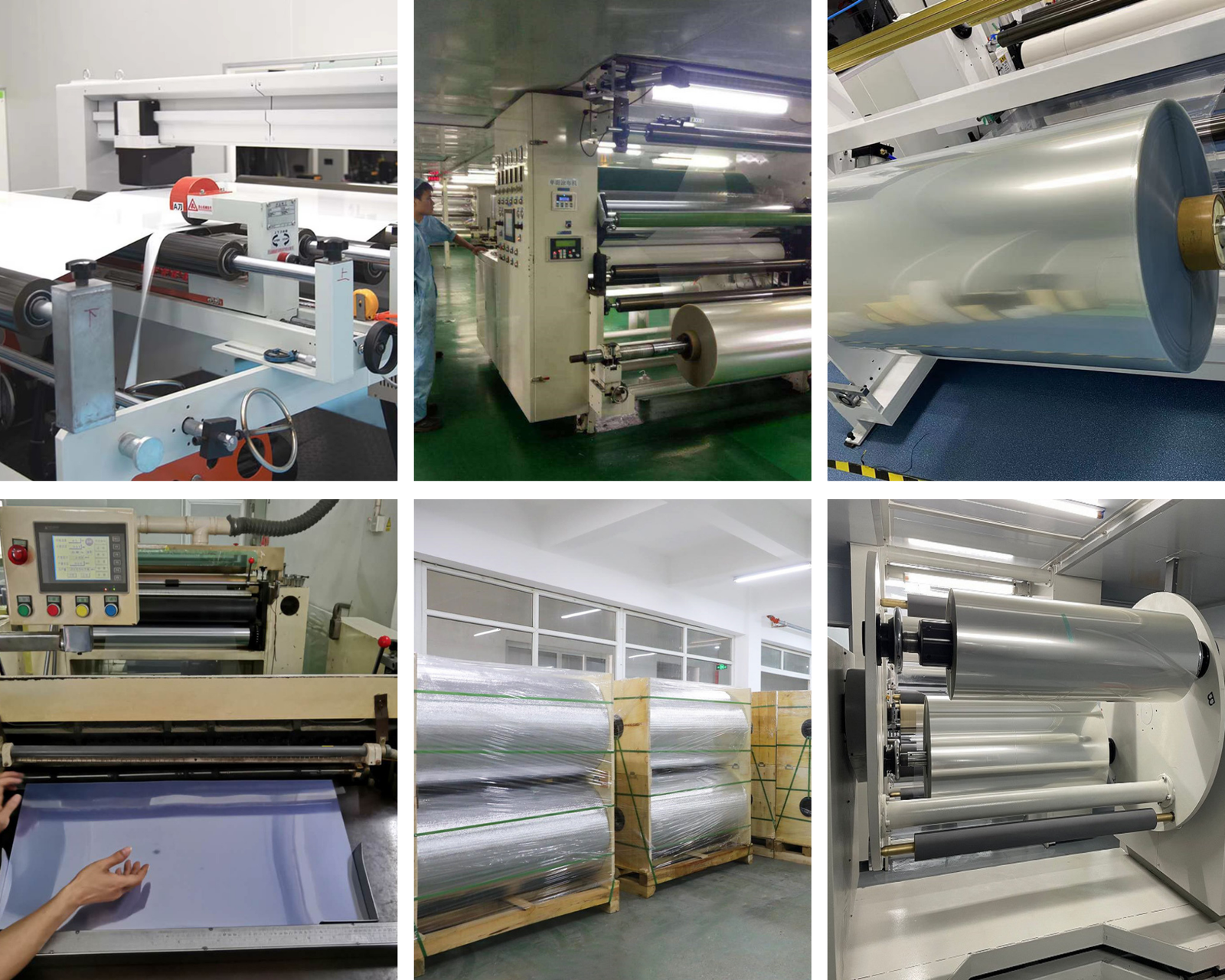
Use these related application collections to compare material format, thickness, surface treatment, forming behavior and RFQ details before requesting a production quote.
