
To state an ESD PET surface-resistance requirement, identify the measurement requested, the sample or grade, the test method and conditions, and your acceptance criteria. This guide helps buyers organize questions and evidence. It is not a test result or confirmation that a material suits a particular component.
This ESD guide is for electronics-packaging and industrial buyers organizing static-control material requirements. Start with the ESD PET sheet and film category to identify the product family, then specify the material label, grade, test method and acceptance criteria. Do not treat ESD as a synonym for conductive PET. Include these requirements in a material RFQ so the requested product and supporting evidence can be reviewed together.
For an ESD PET sheet quotation, specify the intended component-handling use, material type and grade, thickness, supply dimensions, quantity and destination. State the required surface-resistance range, test method and conditions, and sample acceptance criteria. Identify whether the supporting evidence must cover the supplied sheet or a formed tray.
Start with the intended component-handling use and the packaging format. Specify the static-control requirements and acceptance criteria for that application, together with the requested material type, grade and surface treatment. Keep the material label separate from the evidence needed to assess a sample for the intended use.
Identify whether the reported result concerns the supplied sheet or a formed part. Ask for sample identification, the measurement method, conditioning and measurement locations, then compare the record with your acceptance criteria. Review the conductive PET sheet product requirements and the electronics packaging application requirements to keep product identity separate from intended use. A material label alone is not an acceptance record.
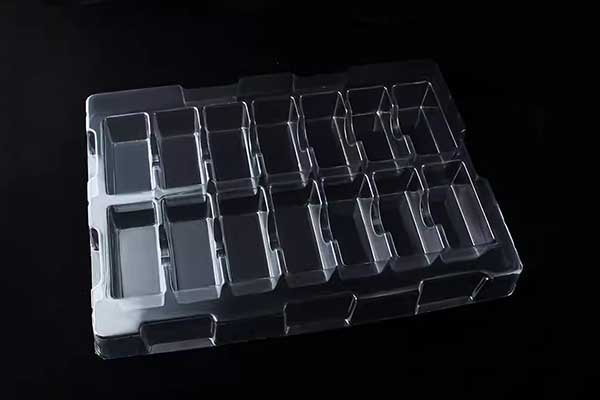
Provide the forming method, tray drawing and dimensions, requested sheet thickness and transparency requirements. Identify whether each test record applies to the supplied sheet or the formed tray. For formed samples, record sample identification, conditioning, measurement locations and the test method so the results can be reviewed against the agreed acceptance criteria.
For an electronics-packaging RFQ, provide the intended component-handling use, supply format, drawing, requested dimensions, quantity and sample requirements. State the tests or documents you need to review, then Request an ESD PET quotation with those details. Ask for written confirmation of the quoted grade and the agreed review requirements before ordering.
Contact Goflexpet with these details to receive a practical material recommendation and quotation path.
Surface resistance is the electrical resistance measured between electrodes on the same side of a material. For ESD PET sheet, request the sample or grade identification, test method, electrode arrangement and conditioning, then compare the reported result with your application-specific acceptance criteria.
Include the intended component-handling use, material type and grade, supply format, thickness, width or tray dimensions, transparency requirements, forming method, quantity and destination. State the required surface-resistance range, test method and conditions, sample-review needs and acceptance criteria, and specify whether the evidence must cover the supplied sheet or a formed tray.
Related pages: ESD PET Sheet, Anti-Static PET Film, Conductive PET Sheet, and Contact Goflexpet.
