

Uncoated polyester is tough but soft: it scratches in handling, it will not hold ink reliably, and it fogs the moment warm produce meets a chilled cabinet. A coating fixes the specific weakness that matters for your part without changing the polymer underneath. Goflexpet applies coatings both in line during extrusion and as a separate off-line pass, which means we can supply anything from a light corona treatment to a hard coat that survives daily contact. This page covers the coatings we run, what each is for, and how to specify one.
Coatings can be applied to one face or both, and combined where the application needs it — a print-treated front with an antistatic back, for instance. Where the treatment is applied also matters commercially: in-line coating during extrusion is the cheaper route and covers most functional requirements, while an off-line pass costs more but reaches the harder surfaces and the lower resistance ranges.
Standard polyester is naturally tough but relatively soft, so it marks under repeated contact. A UV-cured hard coat changes that: the surface resists scratching, cleaning agents and daily handling, while the sheet keeps the optical clarity and impact strength of the base material. This is the grade to specify for machine guards, instrument covers, membrane switch overlays, protective glazing and display panels — anywhere the part is touched, wiped or cleaned in service. Hard coats are graded by pencil hardness, so tell us the level your part has to pass and we will match the recipe rather than send a general-purpose sheet.
Some applications need surface performance without added bulk: a micro-thin functional layer on a high-strength BOPET base gives rigidity, dimensional stability and surface hardness while keeping the overall profile thin. That combination is what makes PET coating film useful in electronics, where a component has to fit a fixed cavity and still resist abrasion. Because the coating is thin relative to the substrate, forming behavior stays close to that of the uncoated base, so an existing tool usually still works.
Buyers searching for a polyethylene coated sheet almost always mean polyethylene terephthalate — PET — rather than polyethylene itself. The two are different polymers with very different heat resistance and rigidity, and the confusion is common enough on sourcing platforms to be worth stating plainly. Everything on this page is PET based. If you genuinely need a polyethylene substrate, tell us, because the correct answer may be a PE-laminated PET rather than a coated one.
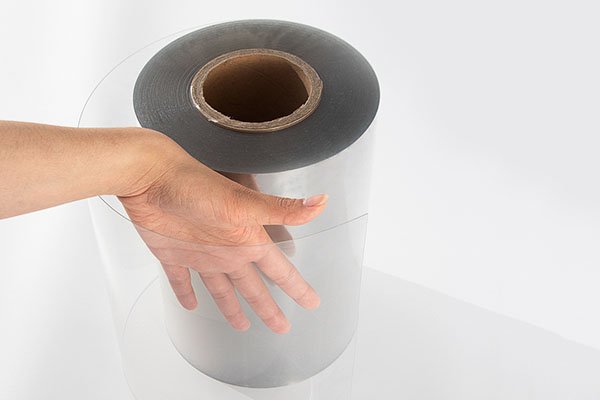
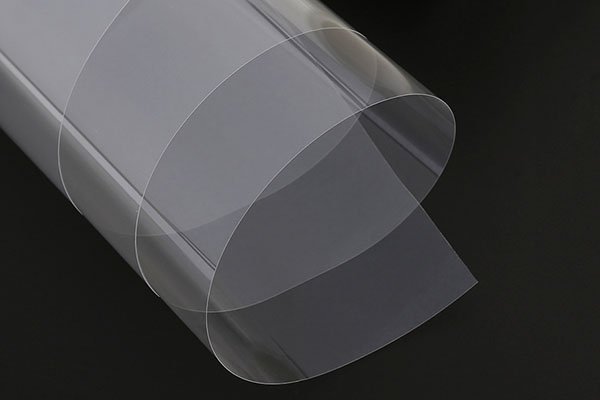
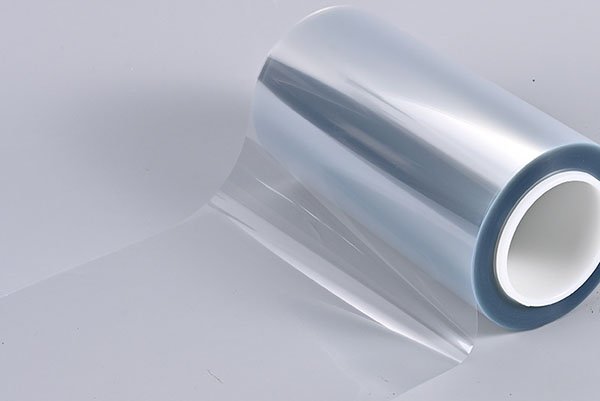
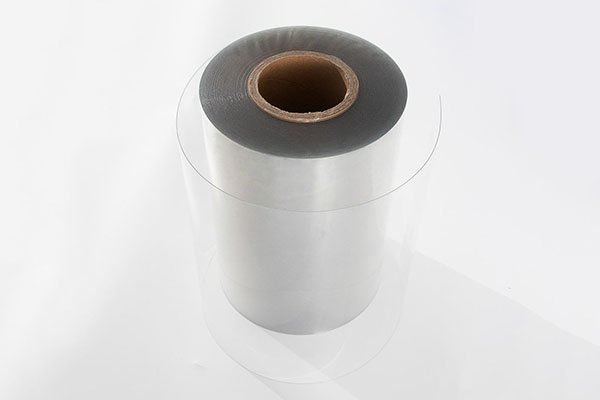
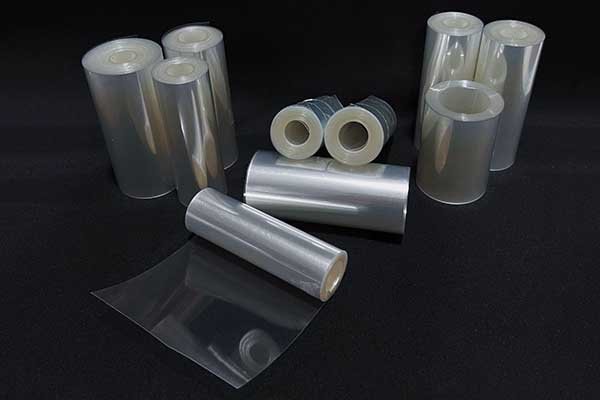
Cut-to-size PET coated plastic sheet suits fabrication and sheet-fed printing; roll stock suits converting and laminating lines.
Coated plastic film is made to order rather than pulled from stock, because the coating recipe follows the application. We are the manufacturer — extrusion, coating and testing happen in one plant under ISO 9001, with REACH and RoHS compliance for export. Send us the substrate thickness, the coating function, the face or faces to be coated, the width or cut size, and your volume, and we will confirm the specification, price, minimum quantity and lead time. Samples go out for qualification before any bulk order.
Scratch and abrasion resistance, chemical resistance and cleanability. Uncoated polyester is impact-tough but soft enough to mark under repeated contact, so a UV-cured hard coat is specified where the surface is touched, wiped or cleaned in service — machine guards, instrument covers, overlays and protective glazing. Clarity and impact strength of the base material are unchanged by the coating.
Yes, and the two faces can carry different functions. A common combination is a print-treated or hard-coated front with an antistatic or anti-block back. Tell us what each face has to do in your process and we will confirm whether both coatings can run in the same pass or whether the sheet needs an additional off-line stage, which affects price and lead time.
In most cases yes. Thin functional coatings keep forming behavior close to that of the uncoated base, so existing tooling usually works with a small adjustment to the heating profile. Heavier hard coats are less forgiving on deep draws. Send your draw ratio and forming method with the inquiry and we will tell you honestly whether the coating will hold on that geometry.
Off-line coated grades run from 0.3 mm to 1.2 mm, and in-line treated stock covers the full 0.18–1.8 mm range. Widths are 200–1400 mm, trimmed to ±1 mm. Material ships as roll stock on 76 mm cores or as cut sheet on pallets, with custom gauges and cut sizes made to order for specific fabrication requirements.
Yes. Because coating performance is best judged on your own equipment, we send representative material for qualification before production quantities are committed. Test the surface hardness, ink adhesion, anti-fog behavior or resistance value that matters to you, then confirm the specification. Minimum order quantity and lead time are quoted with the sample so nothing is a surprise later.