
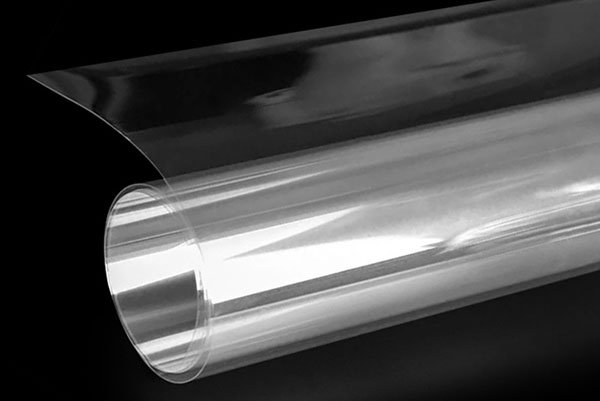
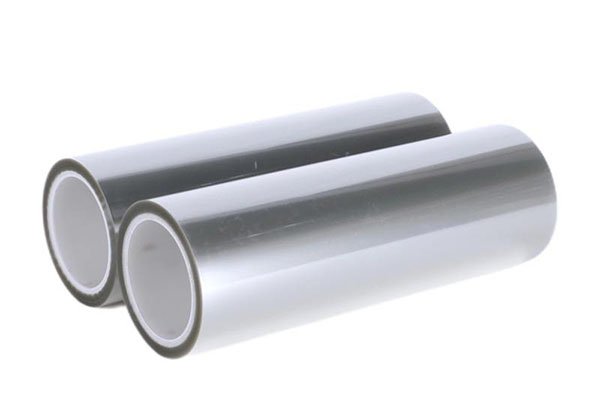
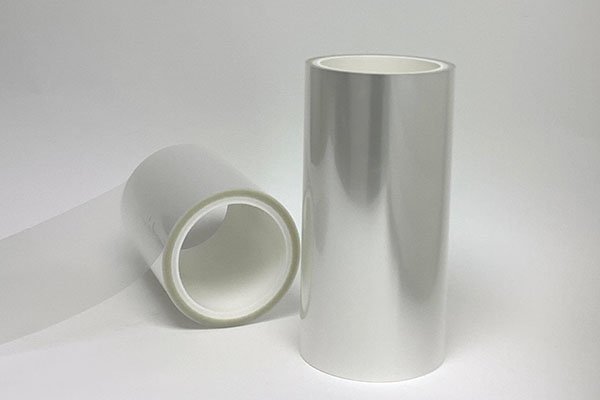

Provide the intended use, required transparency, haze and surface appearance. Identify the electrical property to be measured, target range, test method and conditioning requirements.
Transparency and conductivity do not by themselves establish EMI shielding performance. If shielding is required, include the frequency range, assembly design and relevant test requirements for a separate suitability review.
Include film thickness and tolerance, usable width, roll length, core dimensions, maximum roll diameter and winding direction. Ask which face or layer provides the conductive function and how it should be identified during converting.
Describe any printing, cutting, laminating or bending operations. Confirm whether these operations affect the optical appearance or electrical performance of the proposed construction.

Evaluate samples through the intended processing steps. Check optical appearance and electrical results before and after converting, using agreed methods and acceptance criteria.
For broader conductive sheet requirements, review our Conductive PET Sheet page.
Confirm the proposed grade, supporting documentation and sample approval criteria before ordering.
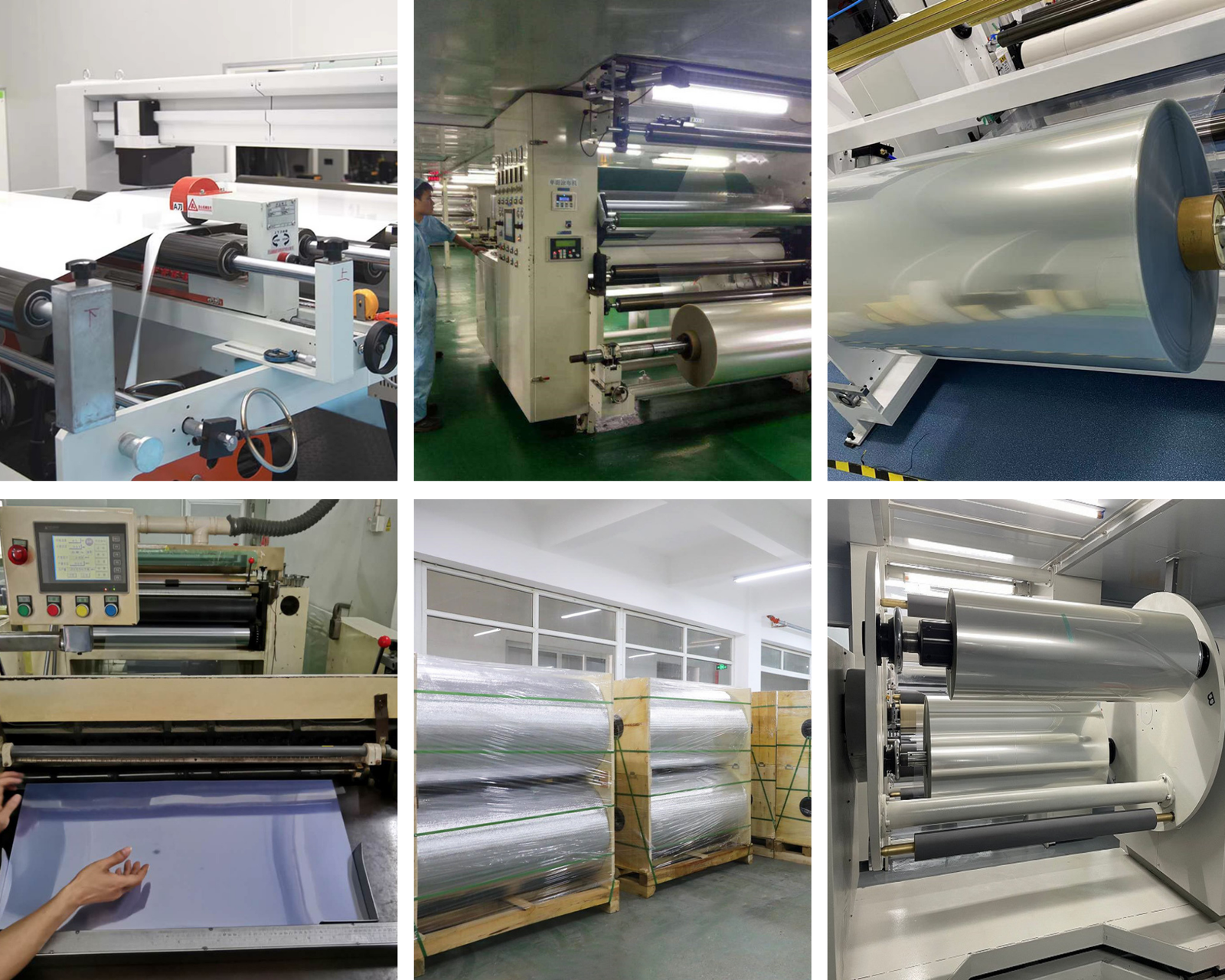
Use these related application collections to compare material format, thickness, surface treatment, forming behavior and RFQ details before requesting a production quote.
