
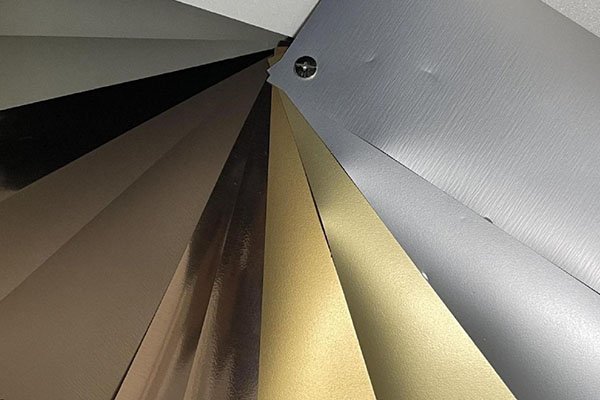
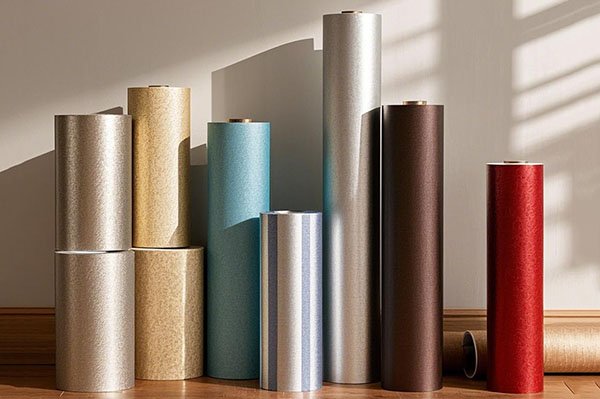
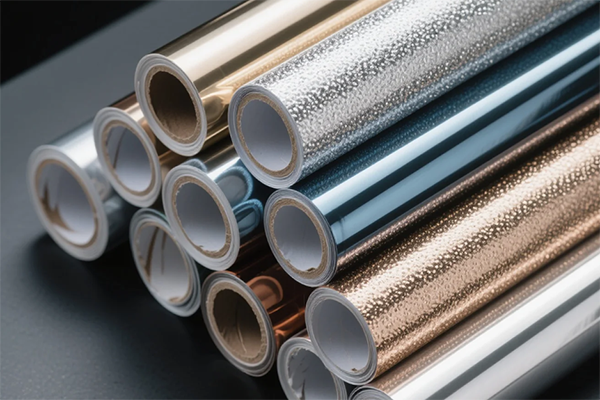
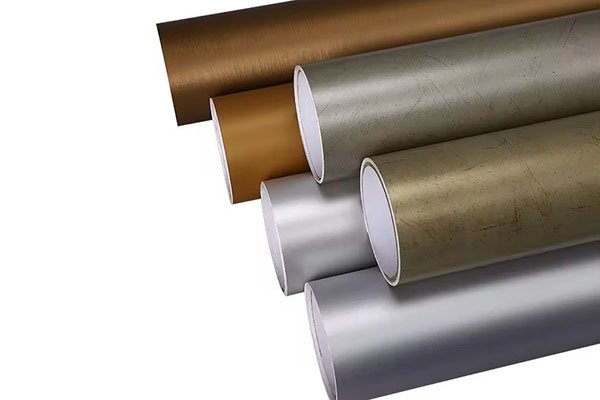
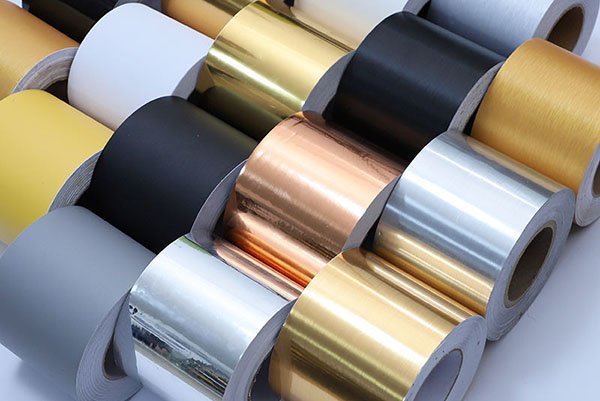
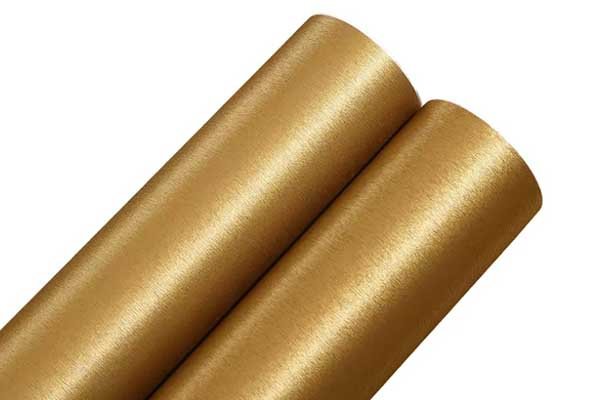
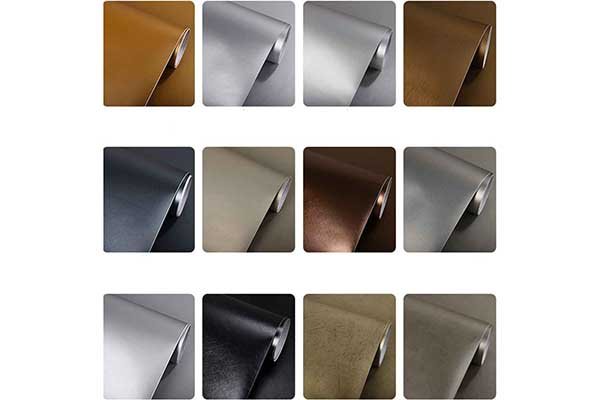
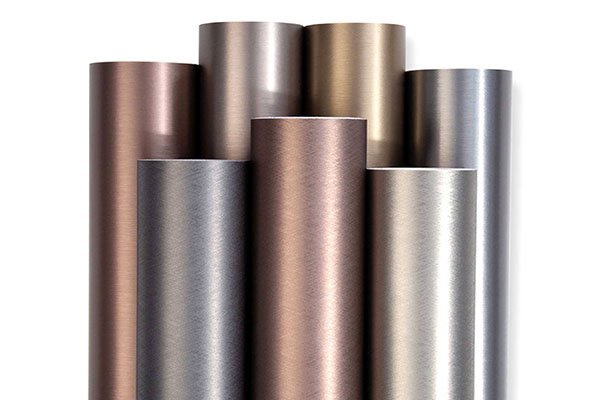
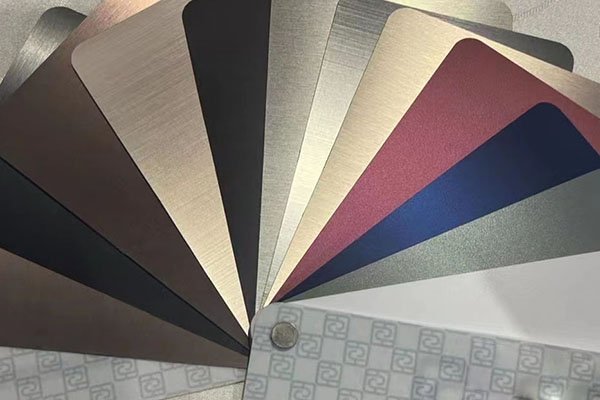
Explore unique textures from satin-brushed rose gold to deep-etched metallic charcoal. Our custom PETG films give designers the freedom to create iconic interiors with high-performance materials.
Our Advantages
Professional manufacturer and supplier of Metallic PETG Film, offering wholesale online services with competitive pricing.
Full support for OEM & ODM projects to meet customized requirements.
Factory-direct supply ensures cost-effective and stable sourcing.
Over 10 years of export experience serving global markets.
Certified with RoHS, SGS, and ISO standards to guarantee quality and compliance.
Multiple patented technologies reflect strong innovation and product development capabilities.
| Product name | PET Sheet, PETG Sheet,Polyethylene Terephthalate Sheet, PET Rollstock, Polyester Sheet, Rigid PET Film. |
| Product Category | APET, PETG, GAG, RPET, PET/EVOH/PE, PET/EVOH/PET, PET/PE, etc. |
| Shape | Roll/Sheet |
| Thickness | 0.18~1mm or Customized |
| Width | 300~1400mm |
| Quality | Virgin/Recycled |
| PET Roll Diameter | ≤38 inch |
| Die Cutting Size | A2, A3, A4 or customized according to requirements. |
| Packing | PE film inside + kraft outside+pallet (paper tube diameter: 76mm, thickness: 10mm) |
| Color | Clear, White, Blue, Brown, Pink, Green, Yellow or Customized. |
| Performance | Anti-fog, ESD (Anti-static, Conductive, Static dissipative), Corona, Printing, Coating, High impact, EVOH high barrier, Waterproof, Oil-proof, Anti-UV, etc. |
| Processing technology | Thermoforming Vacuum Blister Forming, Die Cutting. |
| Hardness | Rigid/Semi-rigid |

In the competitive landscape of interior design and furniture manufacturing, the materials you choose define the quality of the final product. Metallic Color PETG Film has emerged as a game-changing solution for businesses seeking the high-end aesthetic of real metal without the associated weight, cost, or installation complexities.
Traditional metal laminates and PVC foils often present challenges—ranging from environmental concerns to durability issues. PETG (Polyethylene Terephthalate Glycol) offers a sustainable, chlorine-free alternative that delivers superior performance.
Exceptional Durability: Unlike standard decorative films, our metallic range features enhanced scratch resistance and high impact strength. This makes it ideal for high-traffic environments where surface integrity is non-negotiable.
Eco-Friendly Innovation: As global regulations tighten around PVC usage, PETG stands out as a recyclable material that does not emit harmful VOCs during production or application.
Aesthetic Precision: Whether you require a shimmering Gold PETG Decorative Film or a modern Silver Metallic PETG Foil, our collection provides consistent color depth and a realistic luster that rivals genuine anodized aluminum or stainless steel.
The flexibility of Metallic Color PETG Film allows it to adapt to diverse industrial needs. We specialize in providing solutions for:
High-End Cabinetry: Create a luxury kitchen experience using Metallic PETG for Kitchen Cabinets, offering a fingerprint-resistant finish that maintains its glow.
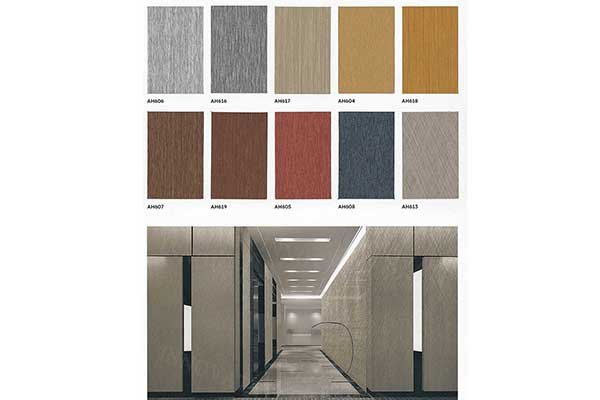
Commercial Interiors: From PETG Film for Elevator Interiors to sleek Metallic PETG Wall Panels, our films provide the fire-retardant safety and durability required for public spaces.
Appliance Refacing: Our Metallic Film for Home Appliances is heat-stable and perfectly suited for creating a seamless, metallic look on refrigerators, dishwashers, and more.
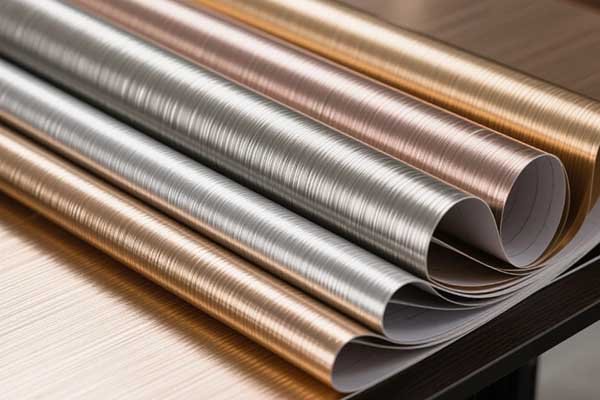
As a dedicated PETG Decorative Film Manufacturer, we understand the importance of supply chain reliability. We offer Wholesale Metallic PETG Film with custom sizing and color-matching options to ensure your project meets specific branding requirements. Our production process ensures that every roll of Brushed Metal PETG Film or high-gloss foil meets strict international quality standards.
Investing in Metallic Color PETG Film is not just about aesthetics; it is about choosing a resilient, future-proof material that elevates your brand’s craftsmanship.

Vibrant Metallic Finish
The high gloss metallic surface of PETG Film creates a striking, premium look, perfect for modern furniture, cabinetry, and interior design. Whether it’s silver, gold, or custom colors, it offers a luxurious finish that enhances any project.
Custom Color and Gloss Options
Our Metallic Color PETG Film is available in a variety of colors and gloss levels, providing flexibility for designers and manufacturers to match specific branding or design requirements. Customization ensures a unique aesthetic for every project.
Exceptional Durability
The PETG material offers superior impact resistance and scratch protection, ensuring the metallic finish remains pristine even in high-traffic environments. This makes it ideal for applications where longevity and durability are key, such as retail displays and commercial furniture.
Easy Thermoforming & Lamination
This film can be easily thermoformed and laminated, retaining its metallic appearance without cracking, whitening, or fading. Its excellent formability makes it perfect for creating custom shapes and complex designs in various interior applications.
Moisture and Chemical Resistance
Metallic Color PETG Film is resistant to moisture, humidity, and a variety of chemicals, making it suitable for use in kitchens, bathrooms, and other environments where exposure to water or cleaning agents is common. This ensures it maintains its appearance and functionality over time.
Eco-Friendly & Sustainable
As a PETG-based product, this film is fully recyclable and environmentally friendly compared to traditional PVC materials. Choosing our Metallic Color PETG Film helps businesses align with sustainability goals without compromising on performance or aesthetics.
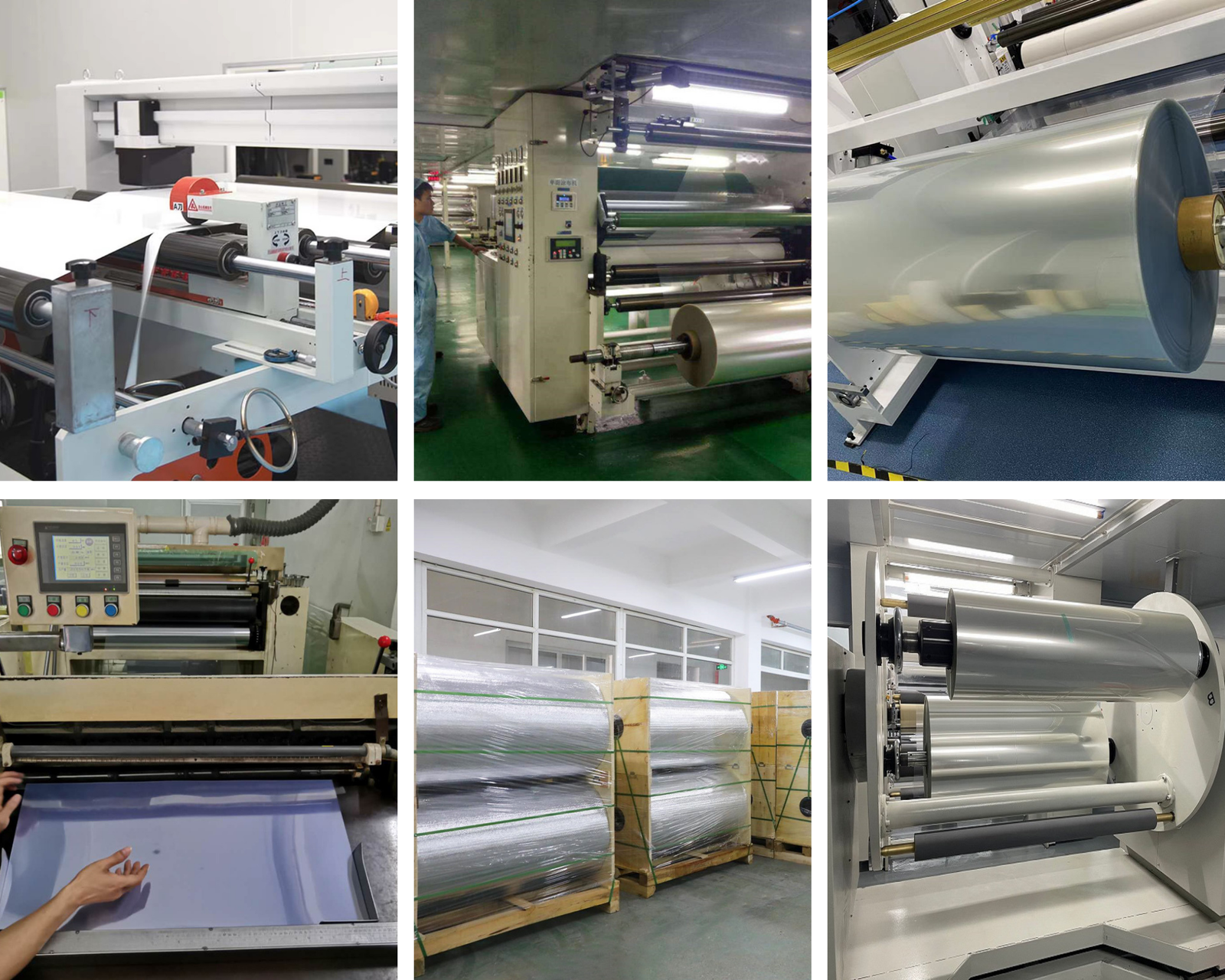

Use these related application collections to compare material format, thickness, surface treatment, forming behavior and RFQ details before requesting a production quote.
