
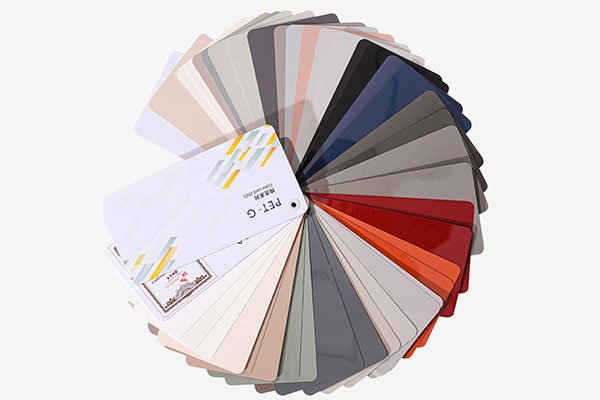

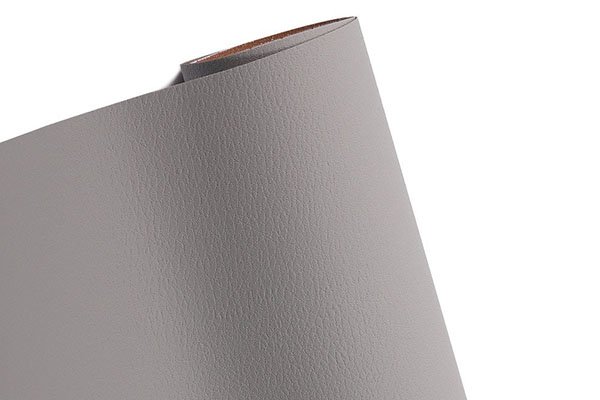
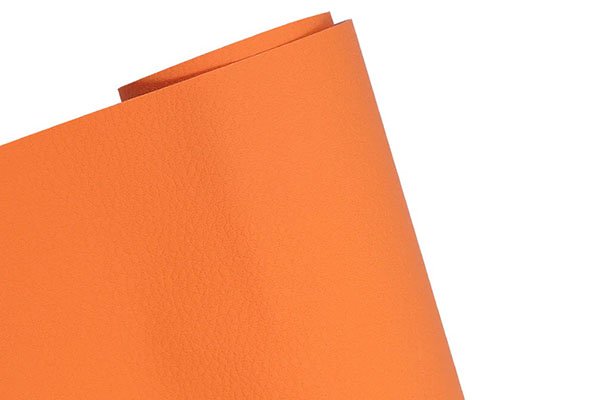
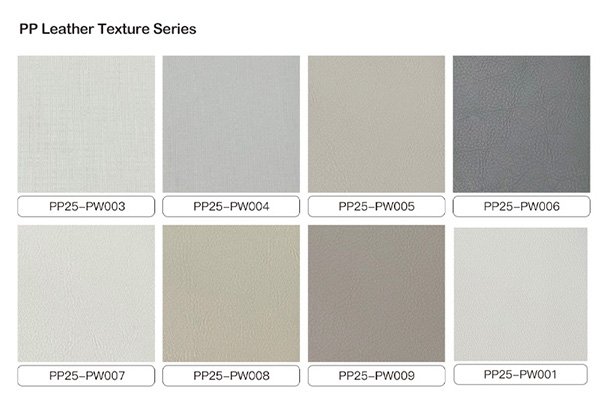


Confirm the sheet construction, dimensions and texture required for the furniture panel. Evaluate bonding, edges and finish after a representative production trial before setting process conditions.
| Specification item | Project confirmation |
|---|---|
| Material and construction | Confirm the PETG grade, decorative layers and surface treatment for the proposed supply. |
| Pattern and color | Identify the approved pattern, color reference and grain direction where relevant. |
| Texture and gloss | Agree texture, gloss and any required alignment between print and embossing using a physical sample. |
| Dimensions and tolerances | Confirm thickness, width, length, permitted variation and roll or sheet format in the quotation. |
| Substrate and adhesive | Identify the panel surface, preparation and adhesive system; confirm suitability through a representative process trial. |
| Forming or wrapping | Confirm whether the proposed construction supports the intended process. Inspect corners, edges, whitening, cracking and pattern or texture change after trials. |
| Surface and service tests | Specify relevant rubbing, scratch, light, heat and humidity test conditions and acceptance criteria for the finished panel. |
| Cleaning exposure | Test the intended cleaner, concentration, contact time and method on the finished surface before approval. |
| Supporting documents | Request applicable certificates or test reports for the proposed PETG grade, decorative construction and surface treatment. Verify the issuer, material identification, scope and validity before approval. Where a specific decorative or manufacturing process or patent is relevant, request its identifier, applicable product scope and supporting technical documents. |
| Order and sample approval | Record the approved sample, specification, test criteria, permitted variation, quantity, packing and batch reference before production approval. |

Confirm the sheet construction, dimensions and texture required for the furniture panel. Evaluate bonding, edges and finish after a representative production trial before setting process conditions.
Compare texture, gloss and color under the intended lighting. Check how the texture looks and feels after panel processing, and agree any required alignment with the printed pattern.
Use the actual substrate, adhesive and intended process conditions. Inspect bonding, corners, edges, whitening, cracking and changes in pattern or texture. Select process settings from grade-specific guidance and trials; do not assume compatibility with every adhesive, forming method or panel construction.
Agree scratch, rubbing, handling-mark and cleaning tests on a representative finished panel. Specify relevant heat, humidity and light exposure, with acceptance limits for appearance, dimensions and bonding. A decorative finish does not by itself establish fingerprint resistance, chemical resistance or a service life.
For fire classification, emissions or other application requirements, obtain reports covering the proposed material or assembly and intended use. Assess recyclability for the complete construction, including coatings, adhesives and substrate, with the relevant recycler.
Retain the approved sample, specification, test conditions, results, permitted variation and batch reference before confirming production.

Appearance and finish
Agree texture, gloss and color against an identified sample under the intended lighting.
Construction and dimensions
Confirm material grade, decorative layers, surface treatment, supply format and dimensional tolerances in the quotation.
Surface-use trial
Inspect handling marks and agree scratch, rubbing and cleaning test methods and acceptance criteria for the finished panel.
Bonding and processing
Trial the proposed substrate and adhesive under the intended processing conditions. Inspect edges, corners, whitening, cracking and finish change.
Service exposure
Specify relevant heat, humidity, light and cleaner exposure conditions, then assess appearance, dimensions and bonding after testing.
Documentation and end of life
Verify applicable reports for the specified material or assembly. Confirm a practical recycling route before making a recyclability claim.
Use these related application collections to compare material format, thickness, surface treatment, forming behavior and RFQ details before requesting a production quote.
