
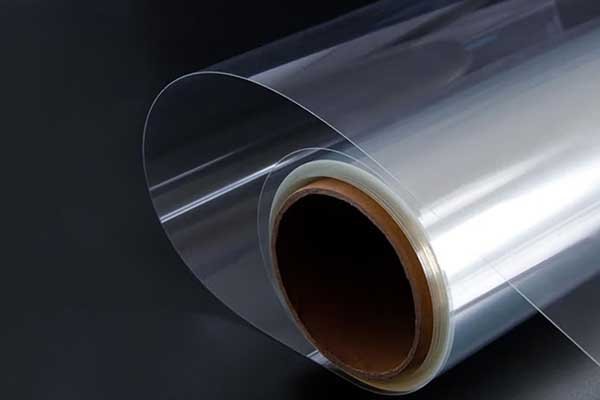

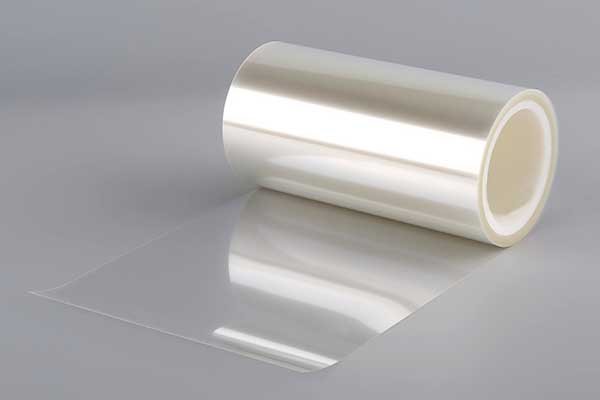
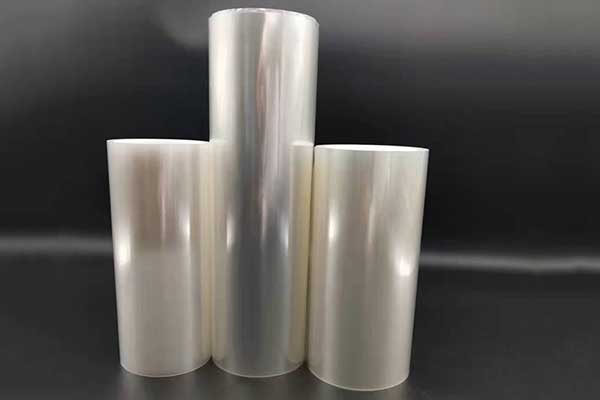
Specify clear PET roll stock against the blister design, display requirements and packing process. Confirm the proposed grade and roll configuration, and review the complete pack with the intended backing, lidding or closure.
| Product | Clear PET plastic rolls for blister packaging |
| Material | Polyethylene terephthalate (PET); confirm the proposed grade and any recycled-content requirement. |
| Application | Transparent blister cavities and protective inserts; confirm pack design and forming suitability through a sample trial. |
| Thickness and tolerance | Provide the starting gauge, tolerance and required formed-part criteria for quotation. |
| Roll width | Specify usable web width and trimming requirements against the forming line. |
| Core and roll size | Specify core inner diameter, maximum outer diameter and maximum roll weight. |
| Winding | Confirm winding direction, treated side, permitted splices and roll identification. |
| Appearance | Define clarity, color and acceptable surface defects using an approved sample. |
| Sealing and backing | Identify card, lidding, sealant or mechanical closure. Confirm compatibility and pack-level sealing tests. |
| Food-contact use | Specify food type, contact time, temperature and destination market; request documentation for the exact proposed grade. |
| Packing | Confirm core support, pallet arrangement, protective wrapping and unloading requirements. |
| Samples and delivery | Confirm sample quantity, order volume, destination and required schedule in the quotation. |
A clear blister must present the product, fit the intended cavity and work with the selected backing or closure. Compare the proposed PET grade against those requirements using a representative sample.
Define the required transparency, color and acceptable visual defects with an approved reference. Assess the formed cavity under the intended display lighting, because the forming process and part geometry can affect the final appearance.
Share the drawing, cavity depth, product weight and forming method. Review corner thinning, trim quality, edge condition and product retention on the intended tooling. Confirm processing settings through the material guidance and a controlled trial.
Identify the backing card, lidding structure, coating or mechanical closure. The PET substrate alone does not guarantee a seal. Evaluate the complete construction at the intended settings and agree inspection criteria for the intended pack.
Check stacking, denesting and finished-pack handling. For a quotation, provide the drawing, thickness, roll width, core and maximum diameter, winding direction, quantity and destination. State any food-contact or other documentation requirements for grade-specific review.
Clear PET rolls are used to form transparent blister cavities and packaging inserts for visible retail products. Confirm the material grade against the pack drawing, product fit and display requirements.
No. Identify the backing, lidding, coating or sealant and evaluate the complete construction at the intended settings. Agree sealing test methods and acceptance criteria for the finished pack.
Send the blister drawing, required clarity, starting thickness and tolerance, roll width, core size, maximum diameter, winding direction, quantity and destination. State any documentation requirements for the proposed grade and intended use.

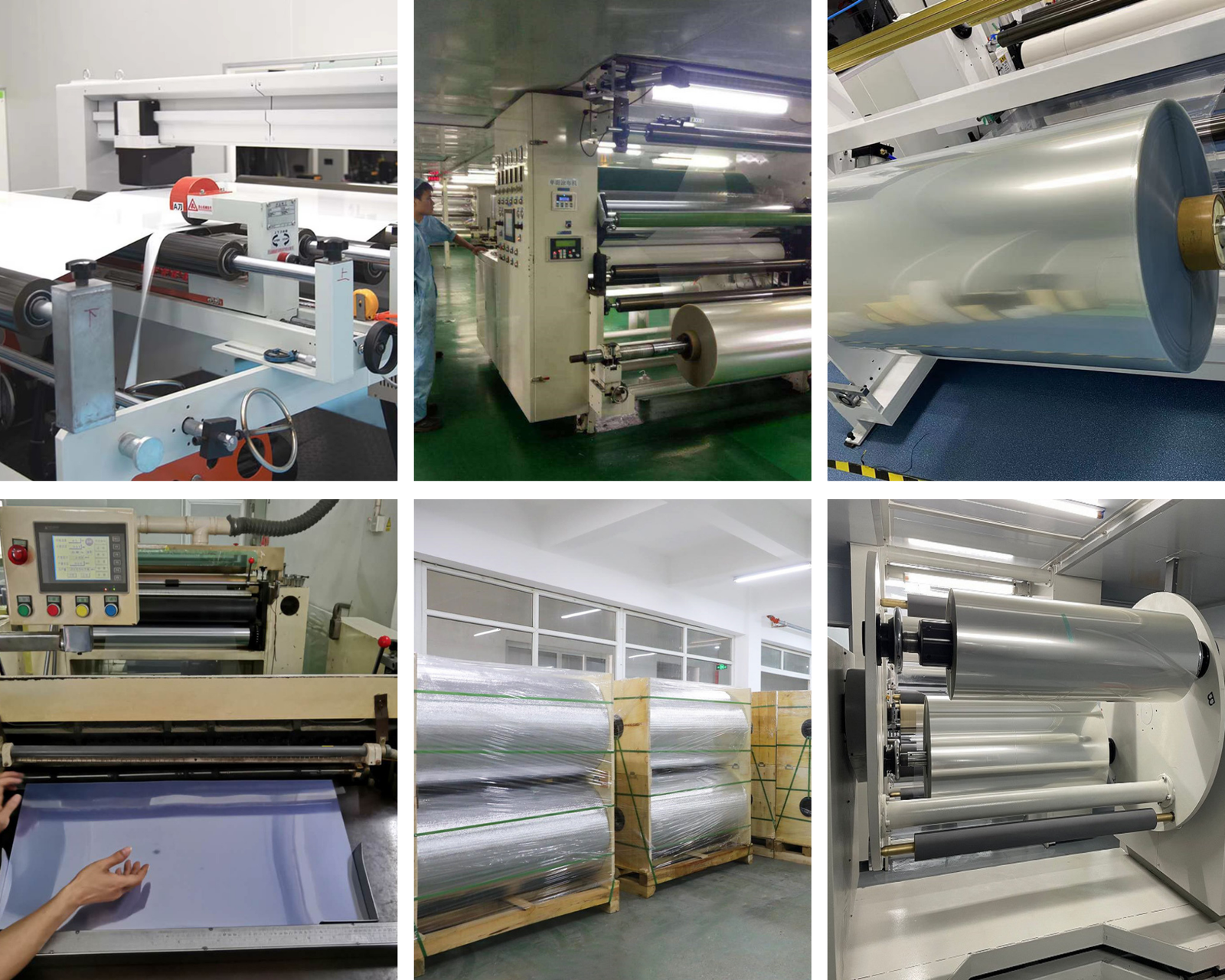
Use these related application collections to compare material format, thickness, surface treatment, forming behavior and RFQ details before requesting a production quote.
