

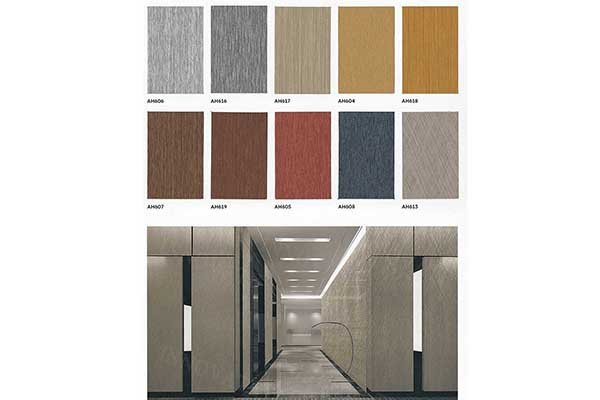

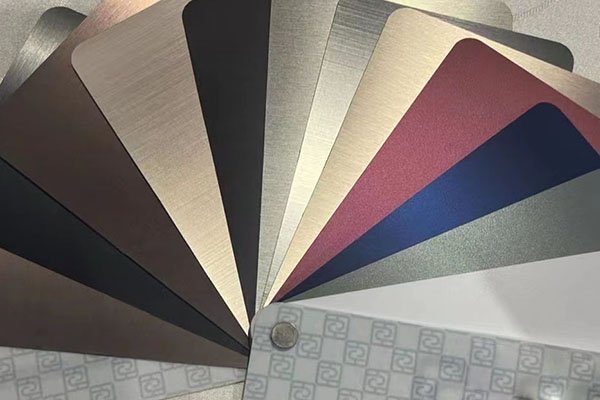

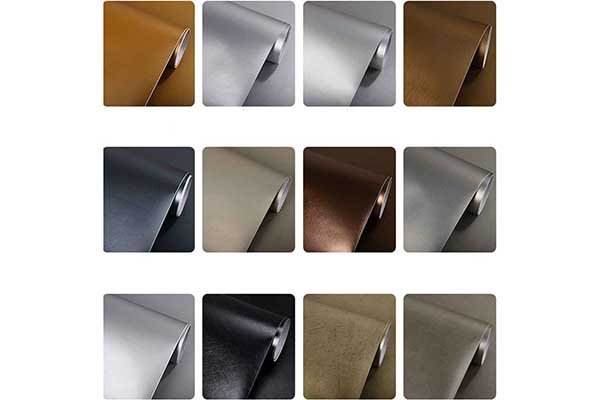

This decorative film provides a proposed metallic appearance for panel projects. Review an actual finish sample and the intended laminated construction before approving an application. A brushed appearance does not establish self-adhesive backing, food-contact suitability or approval for elevators and other regulated installations.
| Item | Details to agree |
|---|---|
| Material and finish | PETG decorative film; selected metallic tone, brushed texture, gloss and reference sample. |
| Thickness and width | Existing listed range: 0.18–1 mm and 300–1400 mm. Confirm availability and tolerances for the selected finish. |
| Supply format | Required roll or sheet dimensions, protective film, quantity and packing. |
| Brush direction | Direction relative to panel height, cutting plan and orientation of adjacent panels. |
| Lamination system | Substrate, adhesive, surface preparation, processing conditions and edge treatment. |
| Acceptance evidence | Color and sheen, bonding, scratch and cleaning tests, and applicable end-use requirements for the exact construction. |

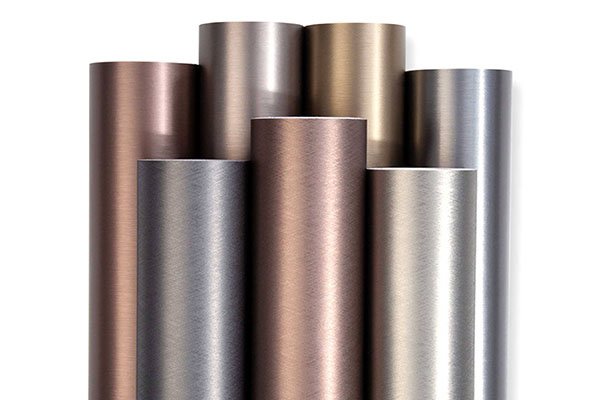
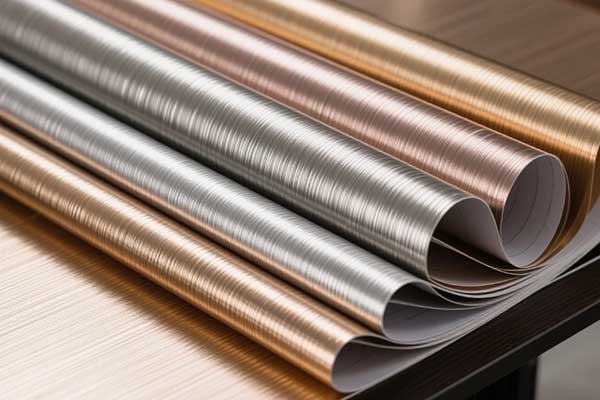
Brushed metal PETG decorative film should be assessed as part of the finished panel. Define the metallic tone, brushing direction and sheen alongside the substrate and bonding process. A finish photograph is a starting point for discussion; use a physical laminated sample for approval.
Mark the required brush direction on the cutting plan. Compare adjacent panels in the same orientation under the intended lighting, including light from windows and directional fixtures. Record the viewing angle and panel sequence used for approval so repeat orders can be checked consistently.
Identify the board material, surface preparation, adhesive and lamination conditions. Confirm whether the selected supply has any adhesive backing rather than assuming a peel-and-stick installation. Inspect the trial for bond quality, bubbles, visible substrate defects and edge appearance after conditioning.
Set acceptance criteria for scratches, fingerprints, cleaning agents, moisture or temperature exposure where relevant. Specify the method, exposure conditions and acceptable result. For curved parts, evaluate the processed sample for changes in metallic tone, surface marks and distortion; flat-film appearance does not guarantee forming performance.
Retain the finish reference, approved laminated sample, inspection conditions and packing requirements. Request applicable documents identifying the selected grade and construction for any environmental, food-contact or regulated end-use requirement.
Compare options in the PETG film category, review decorative panel applications, or send your brushed finish reference and panel specifications for quotation review.

Approve the color and gloss on an identified sample under agreed lighting. Record the finish reference and acceptable variation for repeat supply.
Mark grain direction on the cutting plan and compare adjoining panels in the intended orientation. Check their appearance from the expected viewing angles.
Agree scratch, fingerprint and cleaning tests appropriate to the application. Identify the exposure conditions, cleaning agents and acceptance criteria.
Test the actual substrate, adhesive and processing conditions. Inspect bonding, bubbles, surface defects and edge appearance after the agreed conditioning period.
For curved parts, review a process sample for metallic tone changes, whitening, cracking or distortion. Agree geometry and process settings before approving production.
Match requested test evidence to the exact grade, finish and construction. Keep the approved sample, inspection conditions, quantity and packing specification with the order reference.
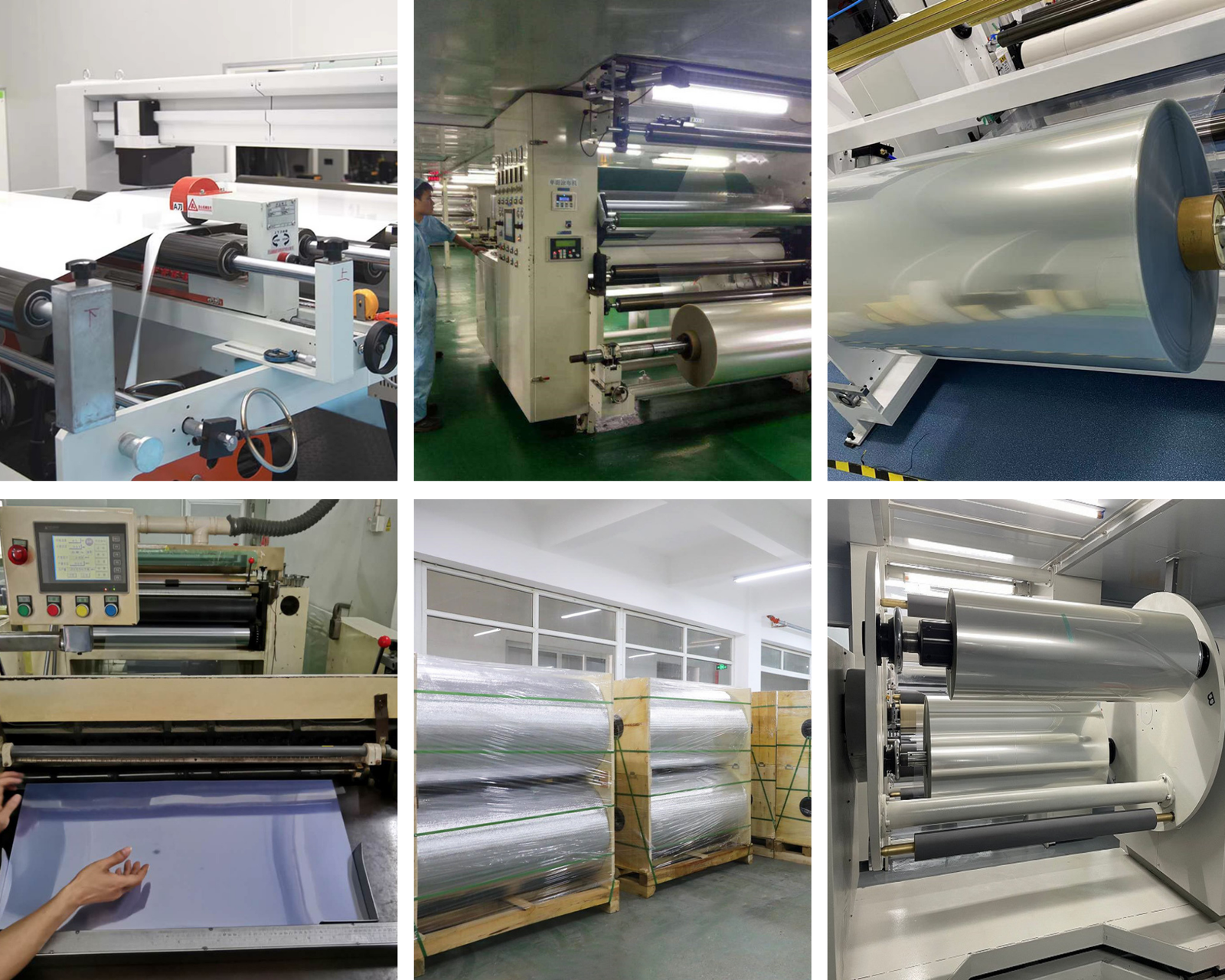

Use these related application collections to compare material format, thickness, surface treatment, forming behavior and RFQ details before requesting a production quote.
