
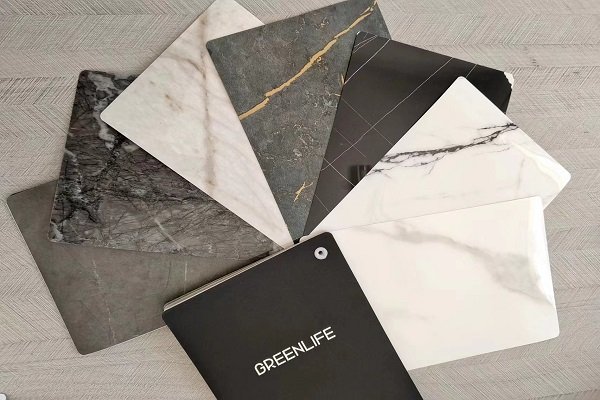
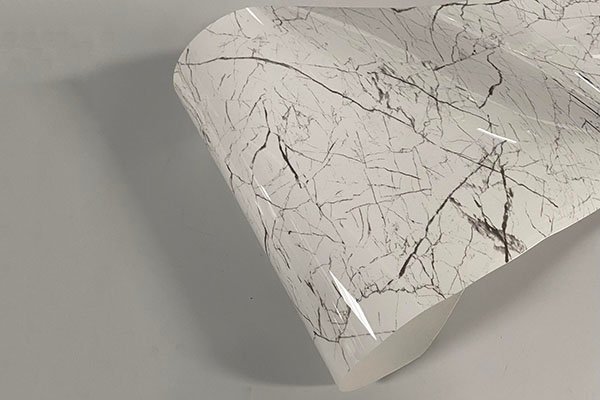


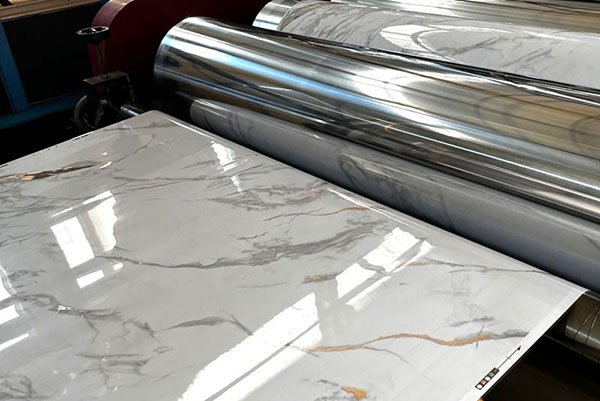
Specify the selected stone design and finish before comparing quotations. This decorative film is a surface layer; the completed panel depends on the substrate, adhesive, edge treatment and lamination process. Do not assume that a stone-pattern sample is translucent, suitable for backlighting or approved for a particular building application.
| Item | Information to confirm |
|---|---|
| Material and design | PETG decorative film; approved stone pattern, color reference and finish sample. |
| Thickness and width | Existing listed range: 0.18–1 mm and 300–1400 mm. Confirm availability and tolerances for the selected design before ordering. |
| Pattern layout | Repeat length, vein direction, panel dimensions, cutting plan and joint positions. |
| Supply format | Required roll or sheet dimensions, quantity, protective film and packing. |
| Processing | Substrate, adhesive, lamination conditions and any forming or edge treatment; verify with production trials. |
| Acceptance evidence | Approve appearance on a laminated sample. Request applicable test reports for the exact grade and finished construction where required. |

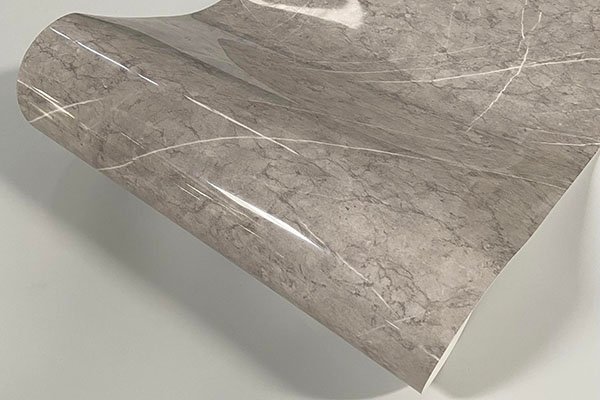
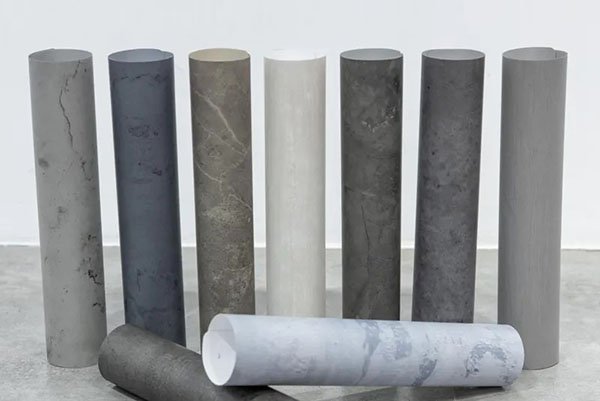
For a stone-effect decorative surface, evaluate the printed design and physical finish together on the intended panel. A small swatch can confirm a color direction, but it cannot demonstrate the pattern repeat or the appearance of joints across a complete installation.
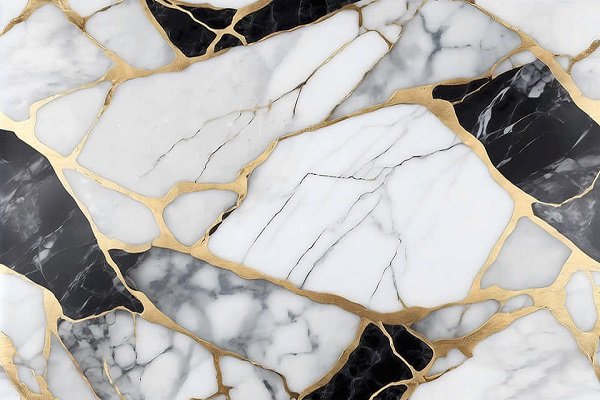
Provide panel dimensions and a layout drawing showing vertical or horizontal grain direction. Ask for the pattern repeat dimensions and compare the design at the viewing distance expected in the room. Check that cutting positions preserve important veins and avoid an unintended repeated motif.
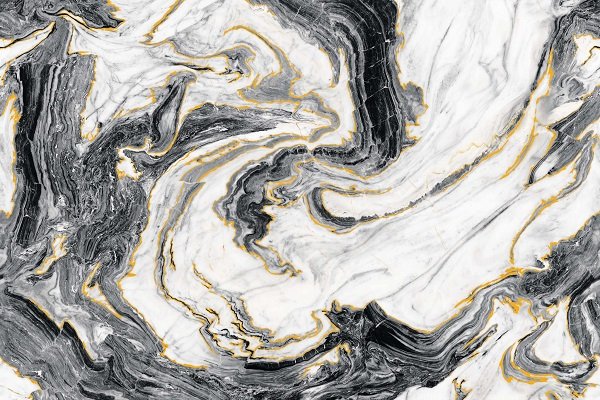
Continuous veining and mirrored book-matching are project requirements to confirm, rather than automatic properties of stone-pattern film. Agree the panel sequence and cutting plan using a full-size layout or joined samples. Check trimming allowance, edge treatment and the visible transition between adjacent panels.
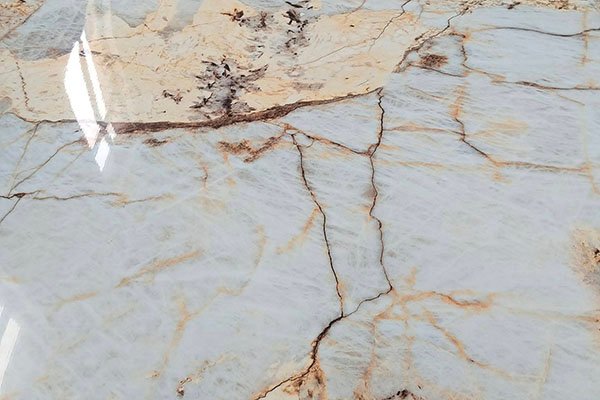
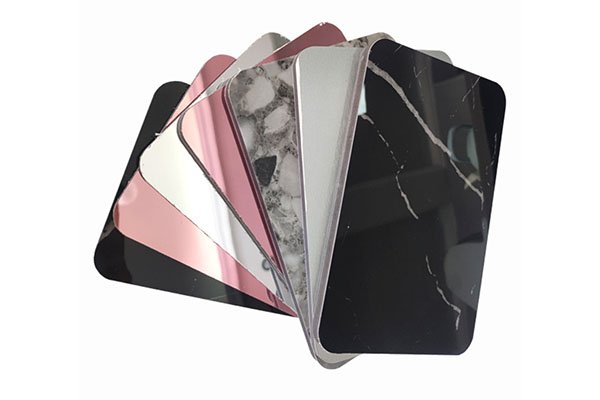
Review surface relief and gloss under both diffuse light and the directional lighting planned for the project. Confirm whether embossing follows the printed veins for the selected design. Any translucent or backlit effect requires a separate sample assessment with the actual light source, substrate and adhesive.
Record the substrate type, adhesive and application conditions. Inspect a laminated trial for bonding, surface marks, pattern distortion, edge appearance and dimensional change. For curved parts, agree the geometry and process before evaluating the formed sample; flat-sheet appearance does not establish forming performance.
Set measurable acceptance criteria for scratch resistance, staining, cleaning and any indoor-use requirements relevant to the project. Request evidence identifying the selected grade, finish and tested construction. Keep an approved master sample and panel layout for repeat orders.
Compare designs in the marble and stone-effect PETG film category, explore other finishes in the PETG film category, review PETG decorative panel applications, or send your stone-pattern layout and sample requirements for project review.

Compare an identified sample with the agreed reference under the same lighting. Record design code, color, gloss and the acceptable variation for repeat supply.
Review the repeat length, cutting positions and vein direction on adjoining panels. Approve a layout for continuous or mirrored effects before bulk cutting.
Agree stain and scratch test methods, exposure time and cleaning agents for the intended use. Evaluate the selected finish and laminated construction against those criteria.
Use the actual board, adhesive and lamination process for the trial. Inspect bonding, bubbles, surface marks and edge quality after the agreed conditioning period.
Confirm panel dimensions, cut edges, packing and any curved-part requirements. Assess distortion and finish changes on a process sample rather than assuming flat film performance applies to formed parts.
Identify the grade and finish on requested test documents. Retain the approved sample, panel sequence and inspection criteria so later batches can be compared with the same reference.
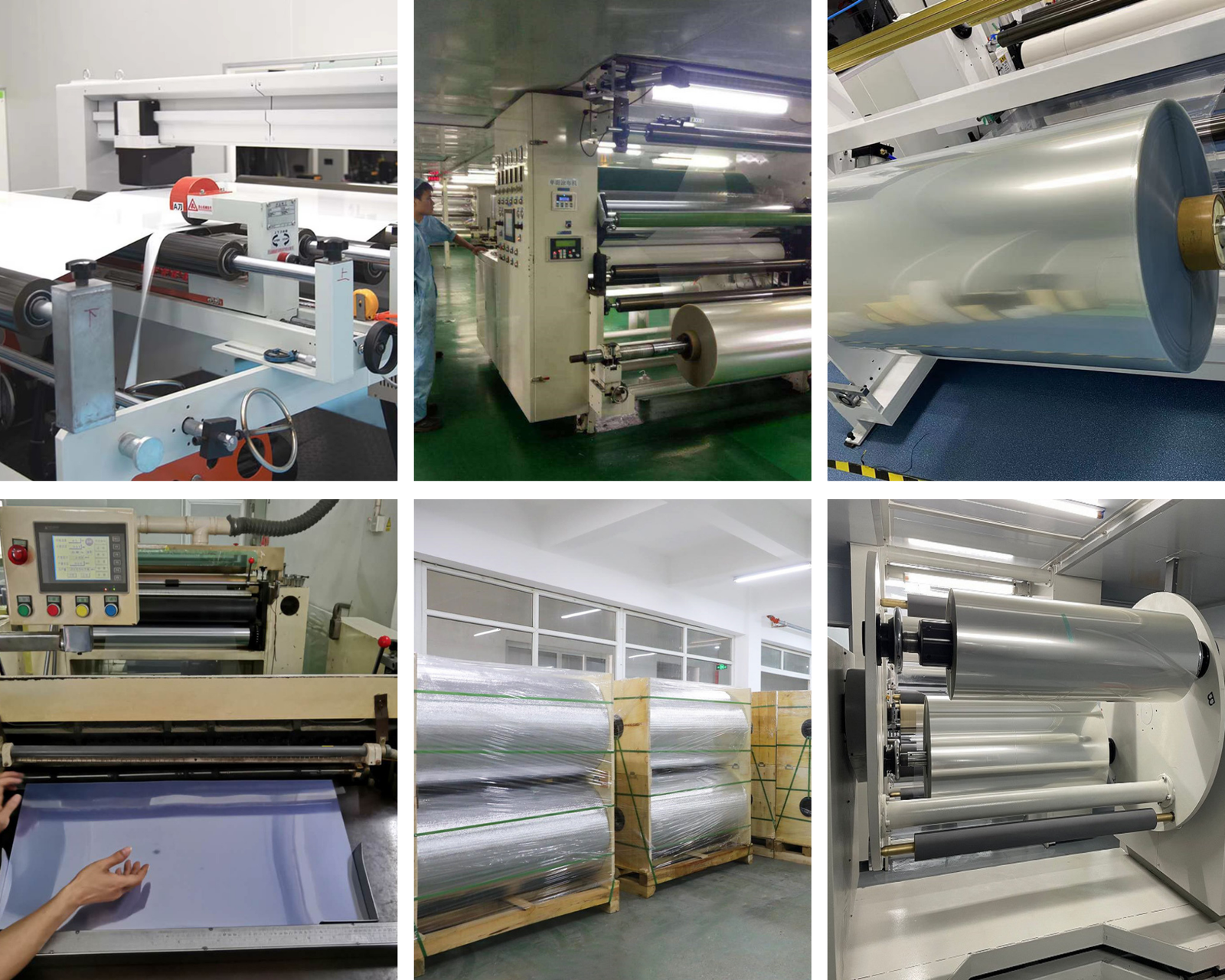
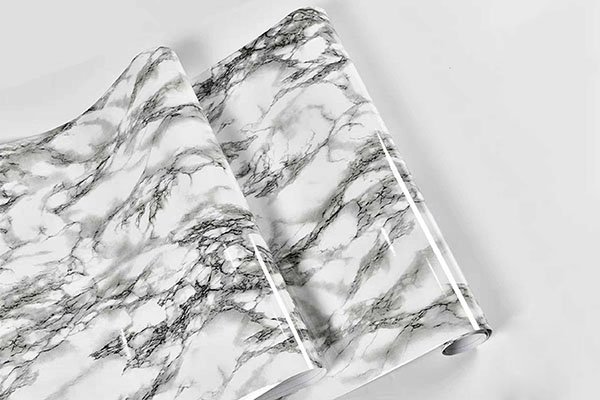
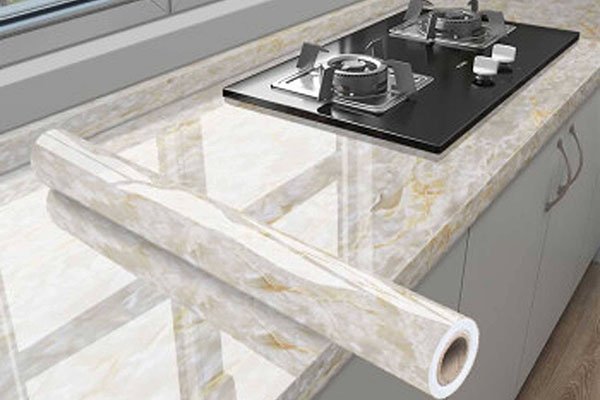
Use these related application collections to compare material format, thickness, surface treatment, forming behavior and RFQ details before requesting a production quote.
