


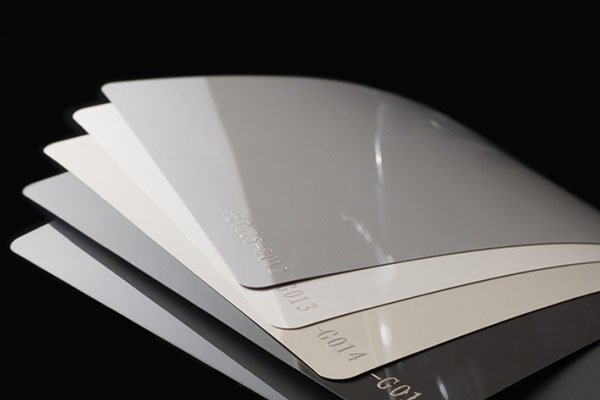

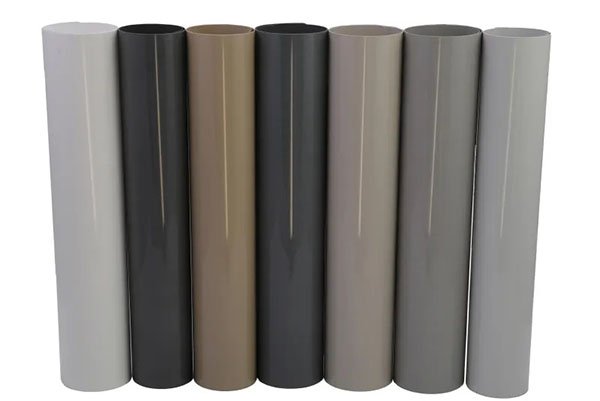
For a project specifying 6H pencil hardness, identify the exact PETG grade, surface treatment and test conditions before comparing samples or quotations. Review the finished laminated panel alongside the sheet sample.
| Item | Information to confirm |
|---|---|
| Material and finish | PETG decorative sheet or film; identify the selected high-gloss finish, color and surface treatment. |
| 6H hardness requirement | State the required pencil-hardness result and test method. Request a report identifying the selected grade, specimen construction, substrate and test conditions before approval. |
| Thickness and dimensions | Provide target thickness, tolerance, sheet size or roll width, panel dimensions and quantity. Confirm the available specification in the quotation. |
| Appearance | Approve color, gloss, haze and surface appearance on an identified sample under agreed inspection lighting. |
| Lamination | Specify the board, adhesive, surface preparation and processing conditions. Inspect a laminated trial for bonding, bubbles, surface marks and edge quality. |
| Processing | Define cutting, routing, edge-banding or forming requirements. Assess the selected construction on the intended equipment. |
| Service conditions | Agree scratch, cleaning-agent, stain and light-exposure criteria relevant to the intended installation. |
| Supply and packing | Confirm sheet or roll format, protective film, handling limits, packing and delivery requirements. |
Keep the approved sample, grade reference, test evidence and acceptance criteria with the order specification for repeat supply.

Start with the finished panel and its intended use. Define the appearance, scratch and cleaning requirements for the cabinet, furniture surface or interior panel, then compare the selected PETG grade against those requirements.
If the specification calls for 6H pencil hardness, request evidence identifying the product grade, test method, specimen thickness, substrate and test conditions. Agree the acceptance criterion before comparing reports. Treat the reported result as evidence for the identified specimen, rather than a promise that every finished part is scratch-proof.
Confirm the treatment used for the selected grade and the side intended to face outward. Establish whether the finish is suitable for the proposed lamination, routing, edge-banding or forming process. Do not infer coating chemistry from a product name or finish photograph.
Compare an actual laminated sample under the inspection and installation lighting. Agree the color reference, gloss, haze measurement and acceptable surface marks. Check adjacent panels for appearance consistency and retain an approved master sample.
Run a trial using the intended board, adhesive, protective film and equipment. Inspect bonding, edges and surface condition after processing. Assess the cleaning agents, stain exposure and light conditions expected in use against agreed criteria before making durability or color-retention commitments.
Record the approved grade and construction, dimensions, tolerances, test evidence, quantity and packing requirements. Confirm regulated-use or environmental requirements for the exact material and finished construction where applicable.
Compare finishes in the high gloss PETG film category and review PETG decorative panel applications before submitting your panel specification for review.

Match any 6H test result to the selected grade, surface treatment and specimen construction. Agree the test method and acceptance criterion before sample approval.
Inspect a laminated sample for color, gloss, haze and visible surface marks under agreed lighting. Record the approved reference and acceptable variation.
Identify the cleaning agents, exposure time and inspection conditions expected in use. Assess the selected finish for changes in appearance and surface condition before approval.
Describe the installation lighting and exposure conditions. Agree any aging or color-change test and review evidence for the selected grade before confirming a color-retention requirement.
Use the intended substrate, adhesive, tooling and protective film. Inspect edges, bonding and surface appearance after processing rather than assuming a reduction in rejects.
Confirm any composition, recycling or regulated-use requirements for the exact grade and destination market. Request applicable documents identifying the tested material and construction.
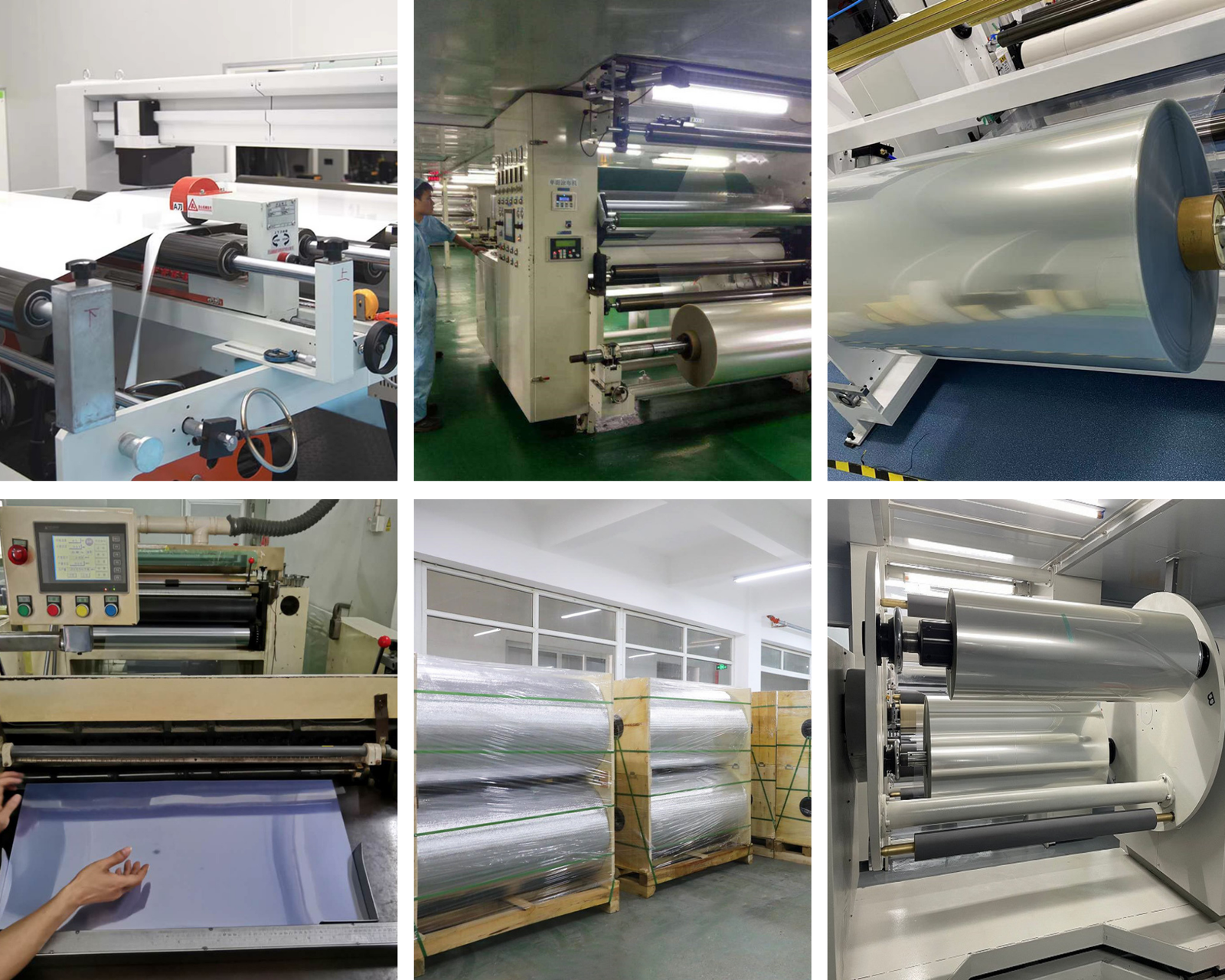
Use these related application collections to compare material format, thickness, surface treatment, forming behavior and RFQ details before requesting a production quote.
