
GoFlexPET
Request a quote

PET Sheet and Film Manufacturer for Custom Production Orders

Specify PET roll stock and cut sheets around the part you need to make and the line that will process it. Share the material grade, drawing, dimensions, tolerance and surface requirements with GoFlexPET, then agree sample trials and inspection criteria before confirming production.
Send Your Inquiry Now
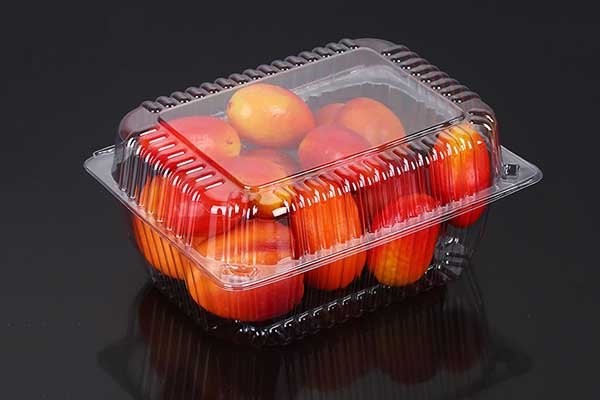
Clear plastic clamshell container holding tomatoes

Image Gallery

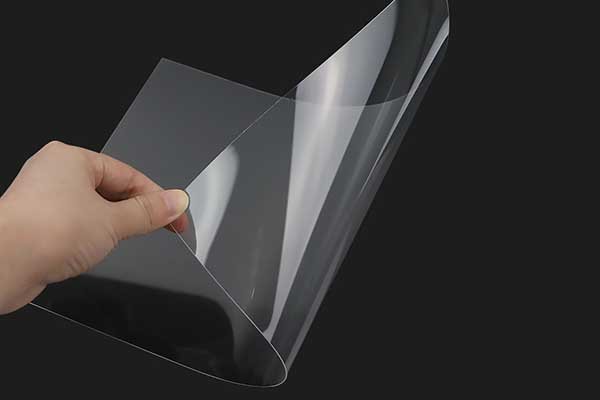
Hand bending a clear PET sheet to show its curved shape
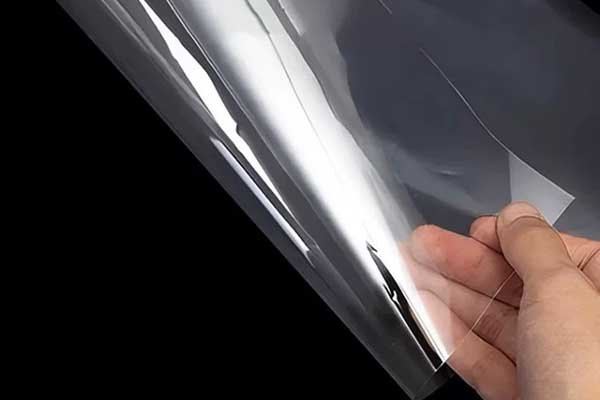
Hand lifting the edge of a clear plastic film sheet
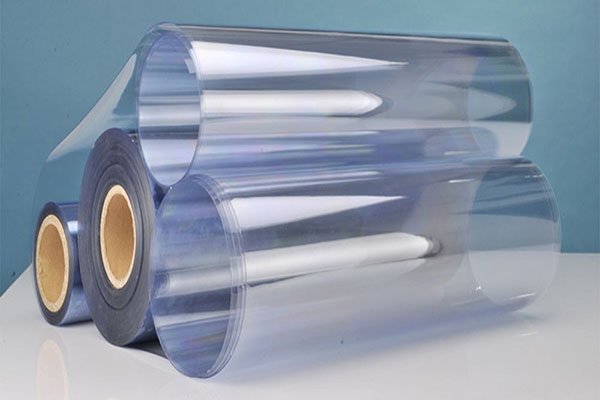
Three clear plastic film rolls with cardboard cores on a white surface

Specification

PET sheet and film production specification

Confirm the material construction and converting requirements before requesting production. APET, PETG, GAG and recycled-content PET need grade-specific review; coatings and additional layers must be identified separately.

SpecificationInformation to agree
Grade and constructionExact PET grade, layer structure and any recycled-content requirement
Supply formatRoll stock or cut sheets, matched to the equipment feed system
ThicknessExisting listed range: 0.18–1.8 mm; confirm chosen-grade availability and agreed tolerance
WidthExisting listed range: 300–1400 mm; confirm usable width and tolerance
Roll limitsCore dimensions, maximum diameter and weight, winding direction, edge alignment and permitted splices
Sheet dimensionsLength, width, squareness, flatness, edge finish and surface protection
Appearance and surfaceClarity or colour reference, defect limits, treatment side and required converting compatibility
Trial conditionsPart drawing, equipment, tooling, heating and cooling settings, cutting or sealing process
Acceptance and deliverySample identification, agreed tests, batch labels, quantity, packing and destination

These dimensional ranges are enquiry references, not a guarantee of every grade and size combination. Confirm the proposed construction, test methods and production terms in writing.

Qualifying PET material for your production line

How should thickness tolerance be specified?

Agree the nominal thickness, permitted variation, sampling locations and measurement method. Review the profile across the web or sheet and along the supplied length. Do not assume a generic tolerance applies to every grade, width and order.

What information helps investigate webbing or uneven forming?

Provide the part drawing, tool layout, selected grade, thickness and the current process settings. Record heating, forming and cooling conditions along with photographs of the defects. Trial changes against the agreed part criteria; material selection alone does not guarantee a particular yield or line speed. See PET sheet for thermoforming applications.

Can one processing temperature be used for all PET sheets?

No universal temperature range is specified here. Obtain guidance for the exact grade and validate it with the equipment, thickness and part geometry. Keep the accepted settings with the sample trial record.

How should static control, separation and sealing be evaluated?

State the required function and test conditions separately. Trial feeding and part separation on the actual line, and test sealing with the intended mating material. For electrical performance requirements, specify the method, conditioning and acceptance range; a clear film image cannot establish ESD suitability.

What evidence is needed for recycled-content or contact-use claims?

Identify the exact construction, intended use and destination. Request documents relevant to the supplied grade and any claimed recycled content, coating or contact condition. Confirm the finished package requirements separately; a PET designation does not establish regulatory approval, recycling acceptance or fee reductions.

PET raw material bags and film production equipment

Production Sample Acceptance

  • Dimensional checks: Measure thickness distribution and roll width or sheet dimensions using the agreed sampling method.
  • Appearance: Compare clarity, colour, marks and visible defects with the approved reference.
  • Feeding: Check unwinding or sheet handling, edge alignment, flatness and surface protection on the intended equipment.
  • Conversion: Record the forming, cutting, printing or sealing settings and compare finished parts with the agreed drawing and criteria.
  • Special requirements: Use agreed tests for electrical, anti-fog, barrier or contact-use requirements rather than relying on generic claims.
  • Release record: Link the approved sample to the material specification, batch identification, inspection record and packing instructions.
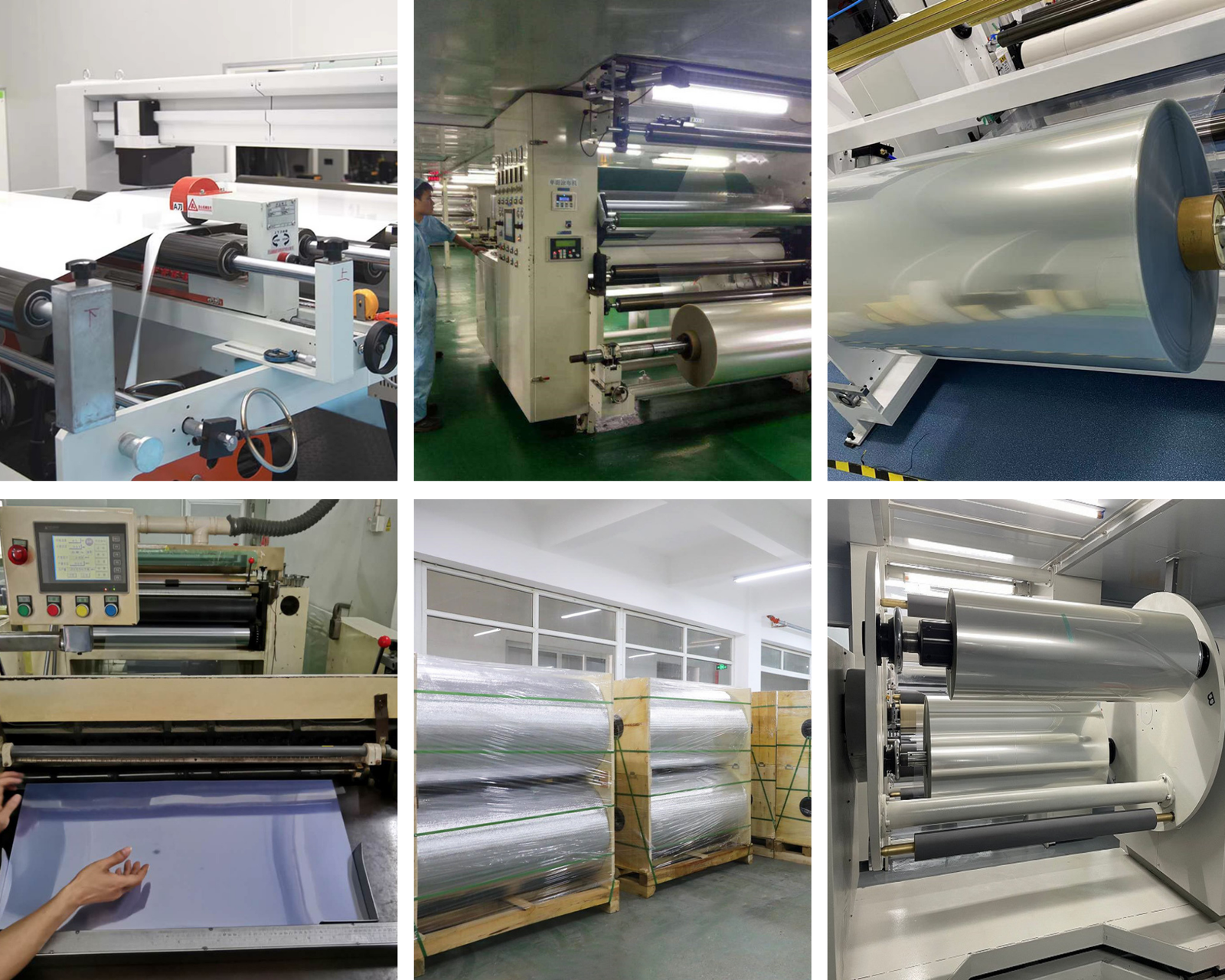
Film winding equipment and packaged rolls

Define Your Manufacturing Order

A production order needs an agreed material specification, a representative trial and a record of the acceptance criteria. Use these steps to make the requirements reviewable.
1. Define the finished part. Send the drawing, application, converting process and service conditions. Identify food-contact, electrical, barrier or other special requirements separately.
2. Specify the supplied material. Confirm grade and layer construction, thickness and tolerance, usable width or cut-sheet dimensions, appearance and surface treatment. State the machine limits for rolls or sheets.
3. Qualify the sample. Run representative material on the intended equipment. Record settings, feeding behaviour, formed-part dimensions, appearance and any printing or sealing results against agreed criteria.
4. Release the production order. Agree the approved specification, quantity, batch identification, packing and delivery schedule. Define how material changes, inspection deviations and repeat orders will be handled.
Production performance should be evaluated with the selected grade, part design and actual equipment; the PET name alone does not define a processing window or output rate.
Send the part drawing, PET grade, thickness and tolerance, roll width or sheet dimensions, quantity and destination. Add machine limits, required surface treatment, sample tests and any grade-specific documents needed for the intended use.
View PET Material Options
Application routing

Match This Material With the Right Application Path

Use these related application collections to compare material format, thickness, surface treatment, forming behavior and RFQ details before requesting a production quote.

RFQ details to prepare

  • Material family, thickness, roll width or sheet size
  • Application, forming method, surface finish and certification needs
  • Target quantity, packing method and destination country
Request Technical Quote

GOFLEXPET

GOFLEXPET is a leading Chinese manufacturer specializing in PET (Polyethylene Terephthalate) and PETG (Polyethylene Terephthalate Glycol) films and sheets. Leveraging over 10 years of expertise and advanced automated production lines, we provide high-performance, high-quality plastic film solutions for diverse industries, including packaging, electronics, automotive, medical, and printing.
SEND INQUIRY
+86 19907970330
Room 1501, Building 4, Chengfa Financial Center,Gannan Avenue,Dongshan Sub-district Office, Nankang District, Ganzhou City, Jiangxi Province
Copyright © 2026 Goflexpet | PET Film Manufacturer. All Rights Reserved
linkedin facebook pinterest youtube rss twitter instagram facebook-blank rss-blank linkedin-blank pinterest youtube twitter instagram