
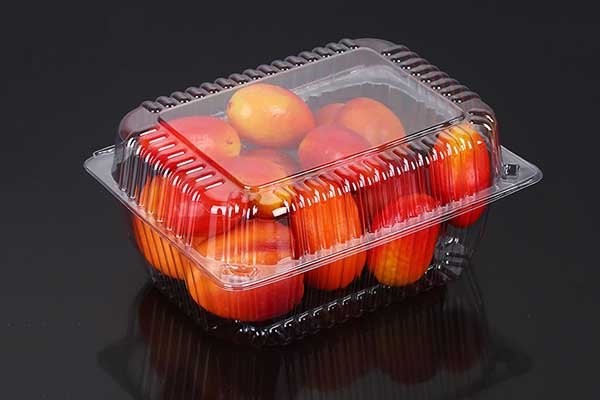
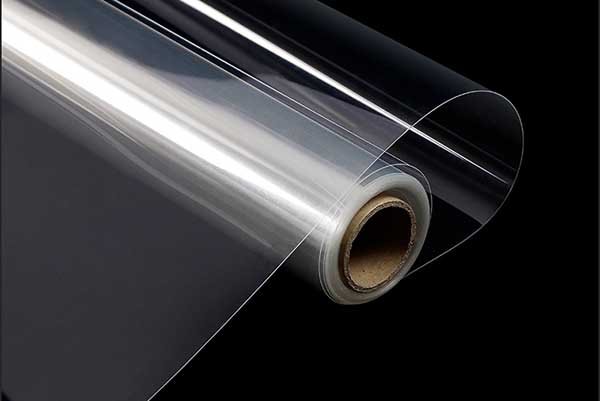
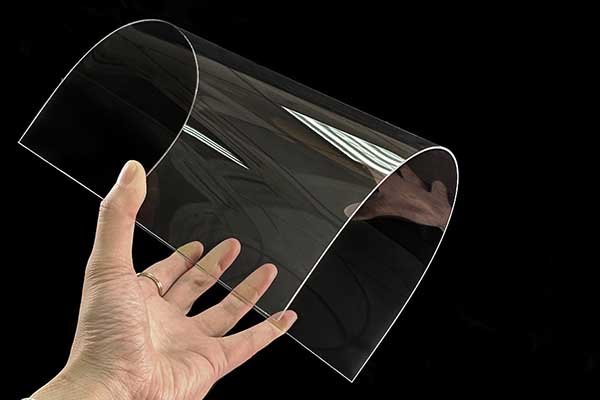
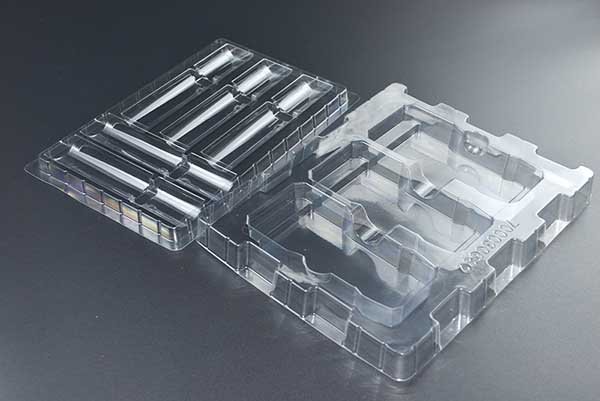
Choose roll stock for web-fed conversion and cut sheets for equipment that accepts individual blanks. Confirm compatibility with the actual line. APET, PETG, GAG and recycled-content PET are different material specifications; any laminate, coating or barrier layer must be identified in the quotation.
| Item | Details to supply or confirm |
|---|---|
| Grade and construction | Exact PET grade, layer structure and any recycled-content requirement |
| Supply format | Roll stock or cut sheets, selected for the converting equipment |
| Thickness | Existing listed range: 0.18–1.8 mm; confirm selected-grade availability and tolerance |
| Width | Existing listed range: 300–1400 mm; confirm usable width and dimensional tolerance |
| Roll configuration | Core dimensions, maximum diameter and weight, winding direction, edge alignment and splice limits |
| Cut sheets | Length, width, squareness, flatness, edge finish and surface protection |
| Appearance | Clarity or colour reference and acceptance limits for marks, haze or visible defects |
| Converting | Forming, die cutting, printing or sealing process, equipment and finished-package drawing |
| Special requirements | Specify anti-fog, ESD, printing treatment, barrier or food-contact needs separately |
| Order and packing | Sample and production quantities, protective packing, destination and delivery requirements |
Confirm the required documents and sample tests for the exact grade and intended use. The listed dimensions are enquiry references, not a guarantee that every grade is available in every combination.
Start with how material is fed into the equipment. For rolls, confirm web width, core fit, winding and maximum roll size. For cut sheets, confirm blank dimensions, flatness, squareness and stacking requirements. Compare yield and handling using your actual package layout.
No. Specify the packed product, target shelf life, storage conditions and required barrier performance. Assess the complete package, including its thickness, layers, closures and seals. Request relevant test data for the proposed construction rather than relying on a general high-barrier claim.
Confirm each process with the chosen grade and surface treatment. Trial the actual ink, adhesive or lidding material and equipment. Evaluate finished parts for appearance, adhesion, seal performance and dimensional stability against agreed criteria.
State the intended contact conditions and service temperatures when enquiring. Request documents for the exact grade and evaluate the finished package for that use. Generic PET descriptions do not establish suitability for sterilization, hot filling or medical packaging.
Identify the full package construction, including coatings, labels and adhesives, and confirm acceptance in the destination market. Request evidence for any recycled-content or certification claim. Do not assume universal recycling compatibility, regulatory approval or reduced fees from the material name alone.

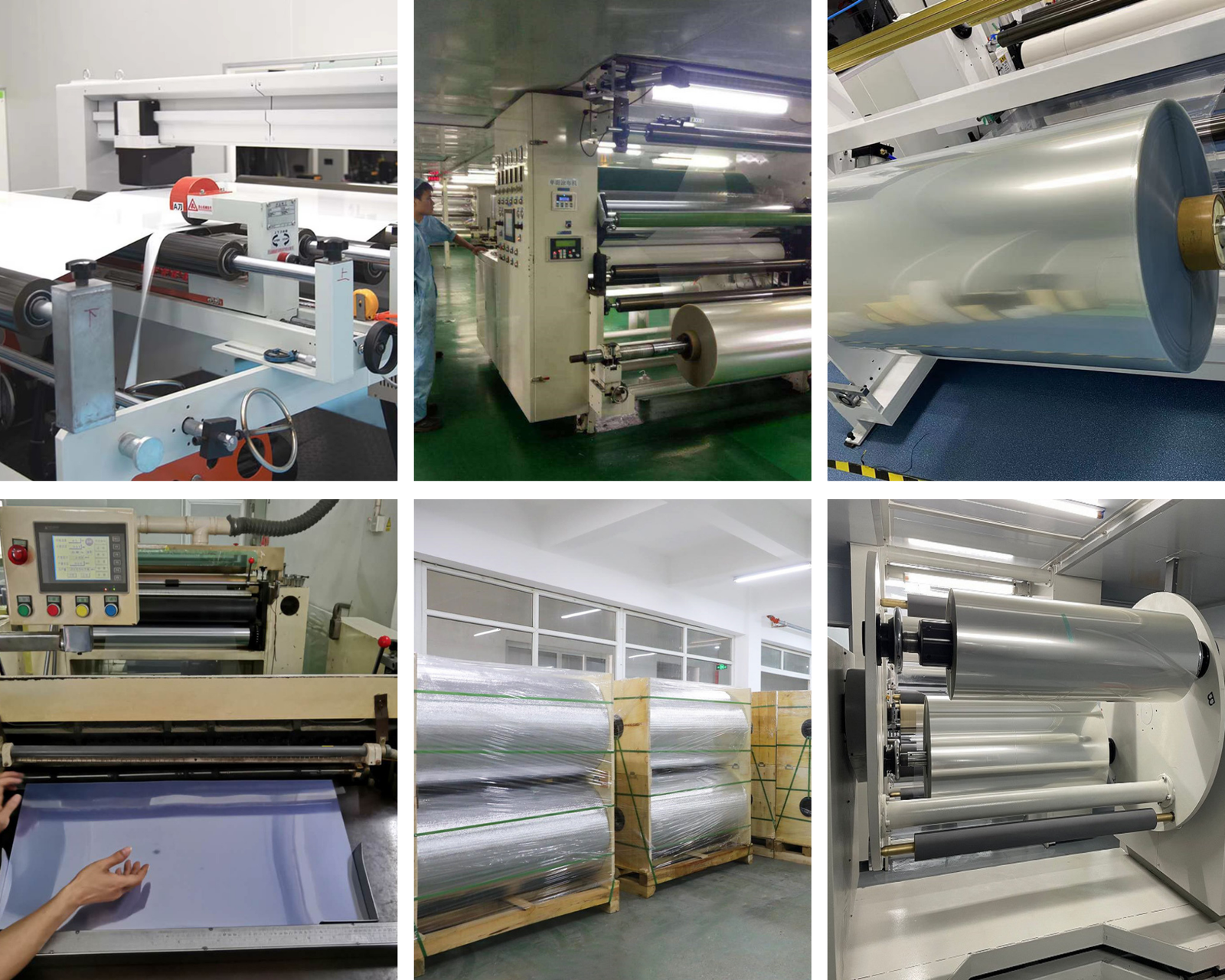
Use these related application collections to compare material format, thickness, surface treatment, forming behavior and RFQ details before requesting a production quote.
