
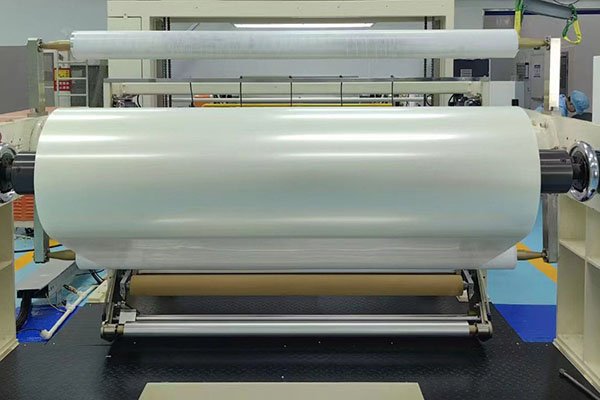
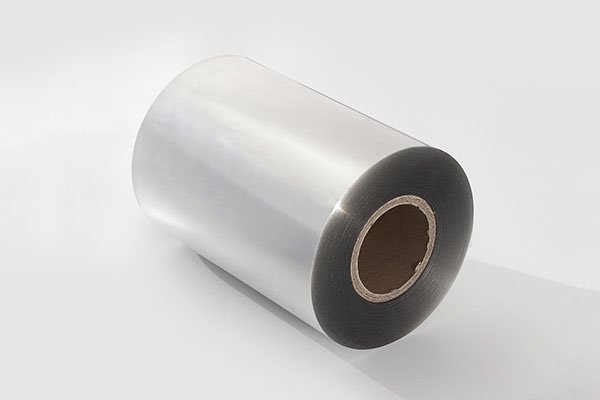
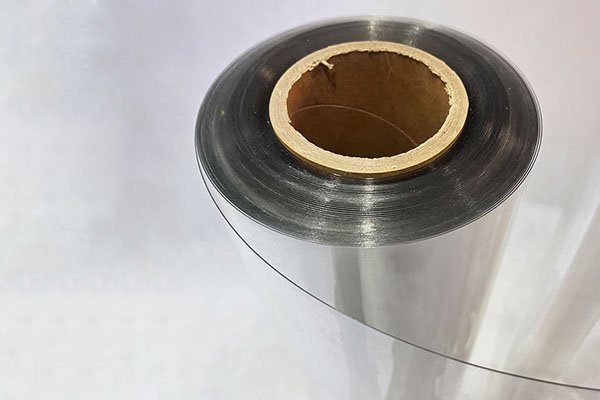
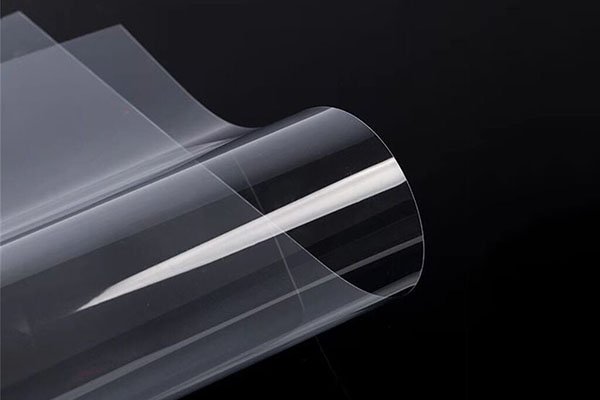
This product enquiry covers PET roll stock for packaging and conversion. Confirm the exact grade and construction for your process; PET, APET, PETG, RPET and GAG designations should not be treated as interchangeable specifications.
| Item | Details to supply or confirm |
|---|---|
| Material | PET grade and construction; specify any recycled-content requirement and supporting evidence |
| Width | Existing listed range: 300–1400 mm; confirm selected-grade availability, usable width and slit tolerance |
| Thickness | Existing listed range: 0.15–3 mm; confirm suitability for roll supply, selected grade and agreed tolerance |
| Core | Existing options: 3-inch or 6-inch core; confirm inside diameter, core length and strength for your equipment |
| Roll limits | Maximum outer diameter and weight, winding direction, edge alignment and allowable splices |
| Surface | Clarity or colour, surface marks, printing face and any required treatment |
| Sample approval | Thickness profile, appearance, unwinding and finished-part performance on the intended line |
| Export packing | Roll protection, pallet size and weight, labels, handling orientation and destination requirements |
| Commercial terms | Quantity, destination, delivery terms, sample schedule and order-specific production lead time |
Special properties such as anti-fog, ESD, UV resistance or food-contact suitability require a separately agreed grade and relevant evidence. They are not default properties of every PET roll.
Use the same material grade, nominal thickness and tolerance, usable width, core size, roll limits and acceptance criteria. Confirm whether quoted quantities use net material weight and which packing, transport and delivery costs are included. A lower price is not evidence of equivalent processing performance.
Request the technical data and traceability information for the exact grade. For regulated applications, state the destination and intended use, then confirm the relevant declarations or test reports before ordering. Do not infer food-contact or medical suitability from a generic PET name or an unrelated certificate.
Trial a representative roll on the intended equipment. Record unwinding, gauge distribution, surface appearance and converting settings, then assess finished parts against agreed limits. Set forming conditions with the equipment and material suppliers; there is no universal process window for all PET grades and thicknesses.
Agree roll support, edge and surface protection, pallet dimensions, handling limits and labels. Specify expected transport and storage conditions. Confirm additives and treatment separately rather than assuming all export rolls are UV-stabilized or anti-block treated.
Retain the approved sample and written specification. Confirm batch identification, inspection records, change notification, order quantity and delivery schedule for each shipment. Lead times and shipping arrangements are confirmed with the quotation.

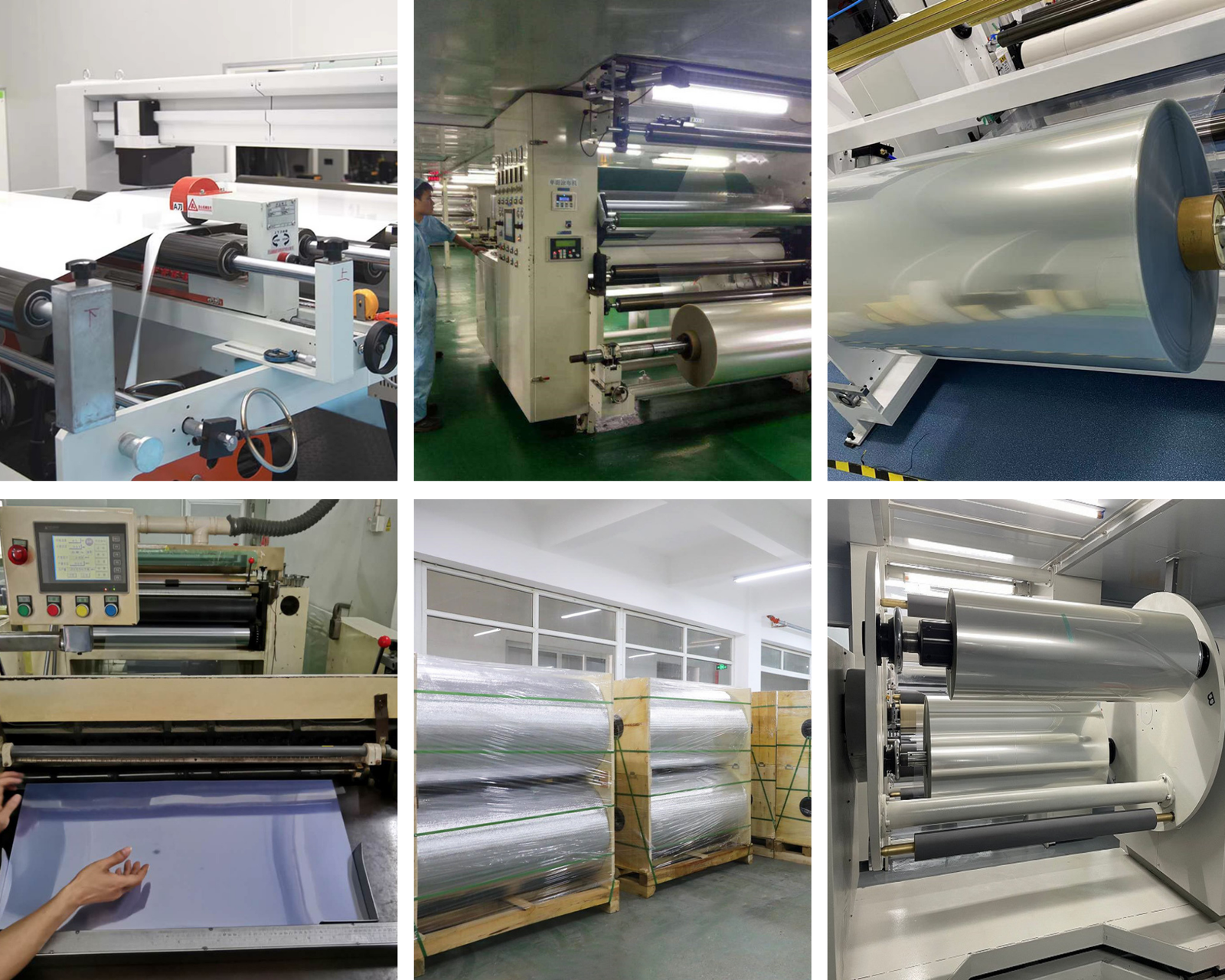
Use these related application collections to compare material format, thickness, surface treatment, forming behavior and RFQ details before requesting a production quote.
