
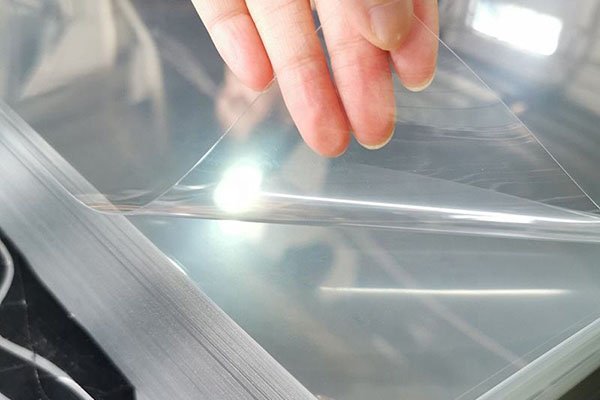
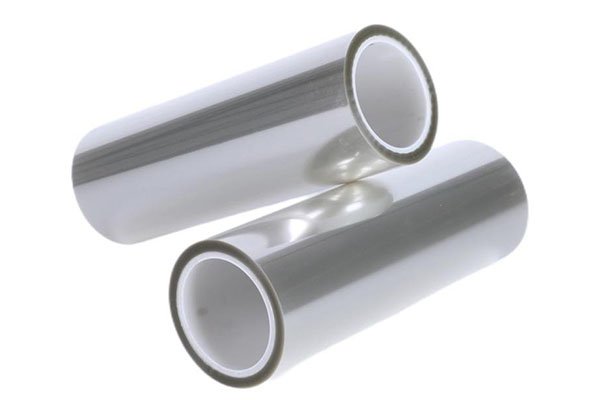
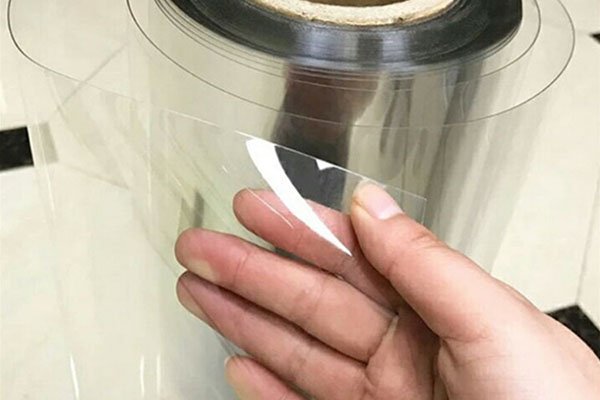
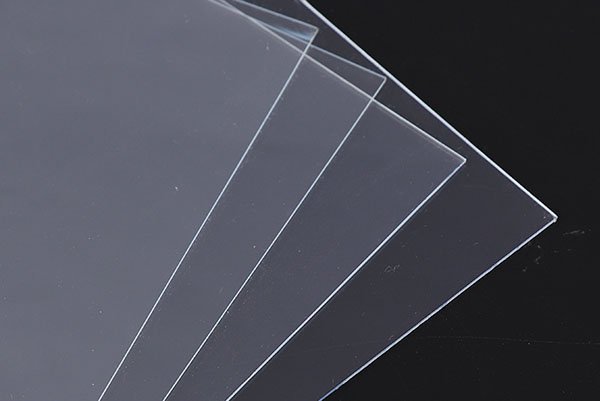
Compare the proposed grade against your application’s scratch, abrasion, cleaning and appearance requirements. Agree the test conditions and acceptable changes before approving samples. Confirm any chemical, optical or protective-equipment requirement for the exact material and finished part.
| Hard Coated PET Specification Item | Details to Confirm for Quotation and Sample Approval |
| Base material and supply format | Confirm the PET grade and whether sheets, rolls or cut pieces are required. |
| Thickness and dimensions | Specify base-film and finished thickness, width, length and dimensional tolerances. |
| Coated surface | Confirm one-sided or two-sided coating and identify the functional and printing faces. |
| Surface hardness and abrasion | Agree the test method, load, number of cycles and acceptance criteria; approve representative samples. |
| Optical requirements | Specify transmission, haze, gloss and appearance limits with the measurement method and sample thickness. |
| Chemical and cleaning exposure | List the chemicals, concentration, contact time, cleaning cycles and acceptable appearance change. |
| Printing and fabrication | Confirm the ink or adhesive system, cutting method, forming conditions and trial requirements. |
| End use and compliance | State the application, destination market and documentation required for the quoted grade. |
Our Advantages:
Professional Hard Coated PET Sheet manufacturer and supplier with wholesale online service and competitive pricing.
OEM & ODM services are fully supported.
Factory-direct prices for cost-effective sourcing.
Over 10 years of export experience serving global markets.
Certified with RoHS, SGS, and ISO for quality and compliance.
Holding multiple patents demonstrates robust innovation and product development capabilities.
Use the Hard Coated PET Sheet checklist to define the quoted material, functional surface and approval tests. Compare representative samples rather than treating hardness or clarity values from another product as a specification for this grade.
For a pencil-hardness requirement, agree the test method, load, sample support and acceptance criteria. Define abrasion testing separately, including the contact material, pressure and number of cycles. Evaluate appearance and coating condition after testing; a hardness rating alone does not establish service life.
Identify each cleaner or chemical, its concentration, contact time and expected cleaning frequency. Test the proposed material and finished assembly under representative conditions. Check for haze, cracking, swelling, print damage and loss of coating adhesion before accepting a cleaning process.
Specify transmission, haze, gloss and appearance limits with the measurement method and sample thickness. For display overlays, assess legibility, reflection and visible defects using the intended display and lighting. Confirm any coating-thickness requirement with the quoted grade and sample results.
Identify the ink, adhesive and printing face, then trial the intended cutting and assembly sequence. Check edge quality, dimensions, ink adhesion and coating condition on finished parts. Where bending or forming is required, approve those operations through trials rather than assuming that a hard-coated grade will suit every process.

Surface Wear: Define scratch and abrasion acceptance criteria for the actual handling conditions and compare tested samples.
Bending and Forming: Specify the bend radius and process conditions. Inspect finished samples for whitening, cracking and coating separation.
Chemical and Cleaning Contact: List the actual chemicals, concentrations and cleaning cycles. Confirm acceptable appearance and adhesion after exposure.
Service Environment: State temperature, humidity and exposure duration. Evaluate the assembled part for distortion, bubbling and edge separation.
Material and Project Documentation: Identify any composition, emissions or destination-market requirements and confirm documentation for the exact quoted grade.
Appearance Approval: Agree a reference sample, lighting conditions and acceptable color, gloss or haze variation. Check deliveries against the agreed criteria.
Use these related application collections to compare material format, thickness, surface treatment, forming behavior and RFQ details before requesting a production quote.
