
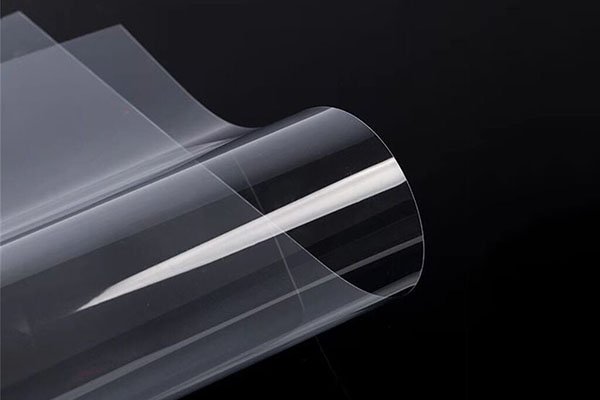
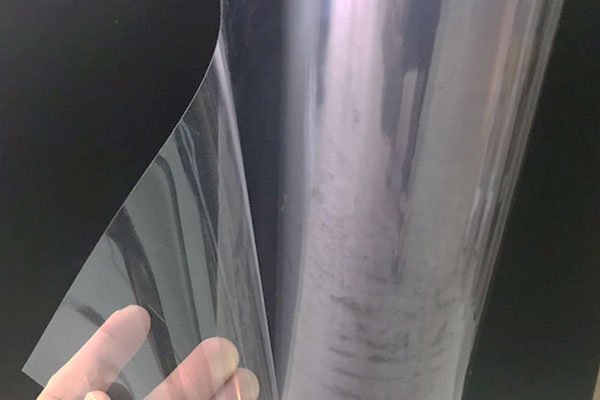
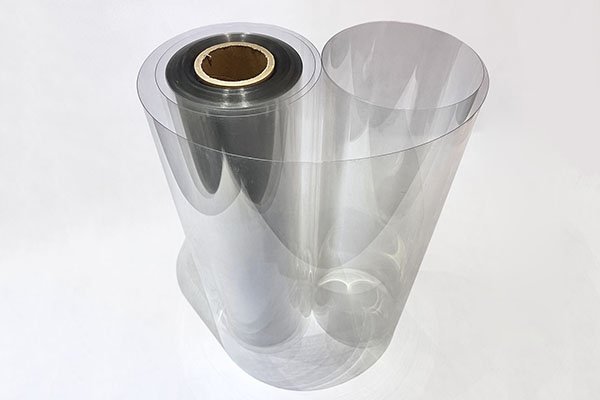
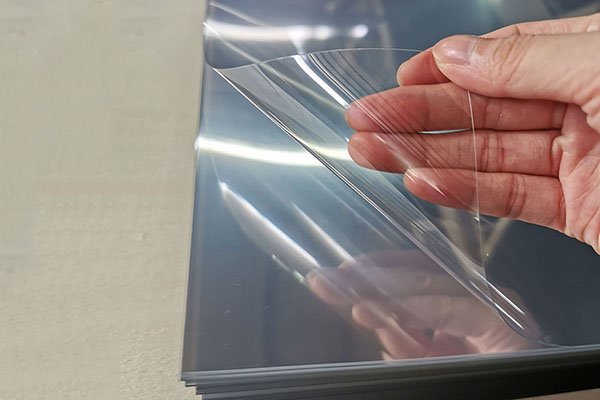
Define the cosmetic pack before selecting the sheet. A bottle insert, a compact tray, a blister and a folding box have different approval points. Identify the pack format and the proposed APET grade in the quotation, then review a sample made with the intended tooling and process.
| Packaging format | Specify a blister, bottle or jar insert, compact tray, or folding-box panel. Include the pack drawing and cavity layout. |
| Material grade | Confirm the proposed APET grade, resin specification and any required surface treatment in the quotation. |
| Thickness | State the nominal sheet thickness and tolerance. Agree on any thickness checks needed on the formed pack. |
| Width and format | Specify usable width, sheet or roll format, cut dimensions and the requirements of the converting equipment. |
| Appearance | Identify the approved reference, viewing conditions and requirements for clarity, haze, color and visible surface defects. |
| Product contact | State whether the APET pack touches a closed bottle or jar, an applicator, or the cosmetic formulation itself. Specify the intended contact conditions for review. |
| Forming and assembly | Provide the tooling or part geometry and the proposed forming, stacking, filling and closing process. |
| Acceptance | Agree on fit, retention, appearance, handling and assembly criteria for the completed pack. |
Use representative primary containers for the sample trial, including caps, labels and other parts that affect fit. Check the cavity contact points, removal method and the presentation of the assembled pack. Record the dimensions and acceptable movement so the reference is clear for production inspection.
Inspect the formed pack as well as the flat sheet. Compare clarity, color and surface appearance under agreed lighting, and include visible edges, folds or stressed areas where relevant. If a measured optical requirement is needed, specify the test method, sample condition and acceptance limit.
Where automatic denesting or filling is planned, include those operations in the trial and define the required outcome. For folding boxes, review the score and fold using the intended equipment. If printing, foil decoration or another surface process is required, confirm the proposed combination on a representative sample.
State product-contact, transport, storage and any market-specific requirements in the inquiry. Confirm the supporting evidence needed for the proposed material and complete package before approval. Specify any antistatic, slip or anti-fog requirement separately rather than assuming it from the APET material name.
Compare the broader supply options on the APET sheet for packaging page. Use the packaging film thickness guide to organize gauge requirements and the PET sheet roll RFQ checklist to prepare the commercial inquiry.

Check the actual bottle, jar or compact in the formed sample. Agree on contact points, permitted movement and how the product will be removed.
Inspect the assembled pack against the appearance reference. Include clarity, color, surface marks and the visible areas around the product.
Review cavity shape, edges and any required thickness measurements. Record the inspection positions and acceptance criteria for the approved sample.
Test the proposed stacking, denesting and assembly sequence where these operations are required. Identify the equipment and trial outcome in the approval record.
Define what the pack will contact and the intended transport and storage conditions. Agree on any application-specific review or testing before material approval.
Keep an identified formed sample with its drawing, material grade and inspection record. Confirm how changes to containers, tooling or material will be reviewed for repeat orders.
Use these related application collections to compare material format, thickness, surface treatment, forming behavior and RFQ details before requesting a production quote.
