
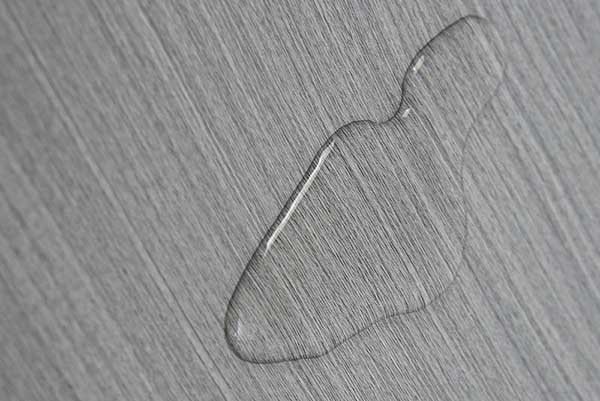
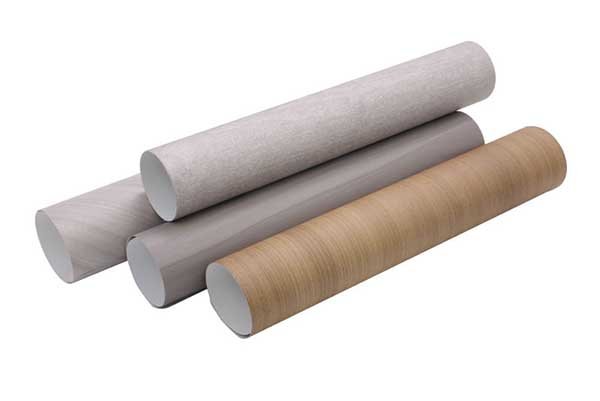
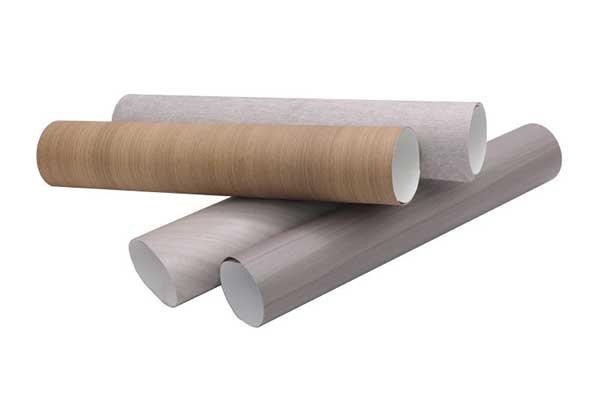
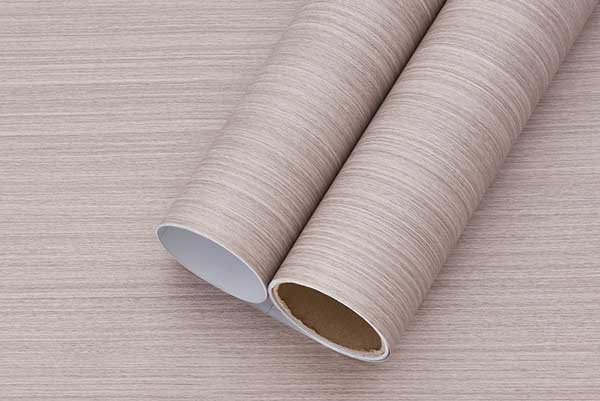
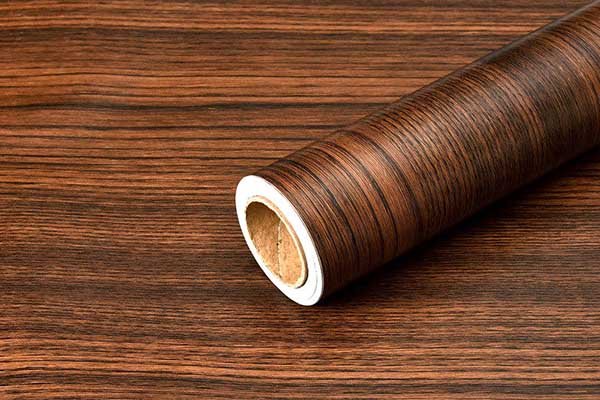
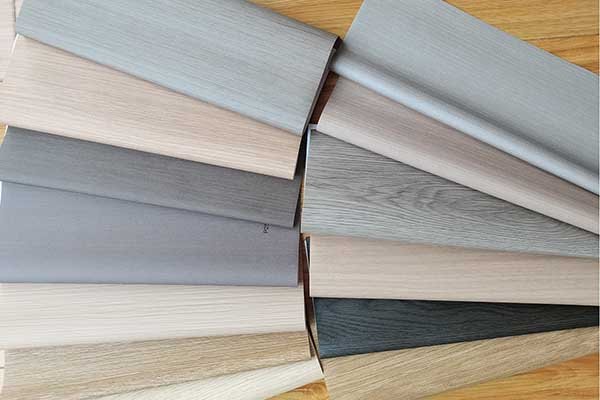
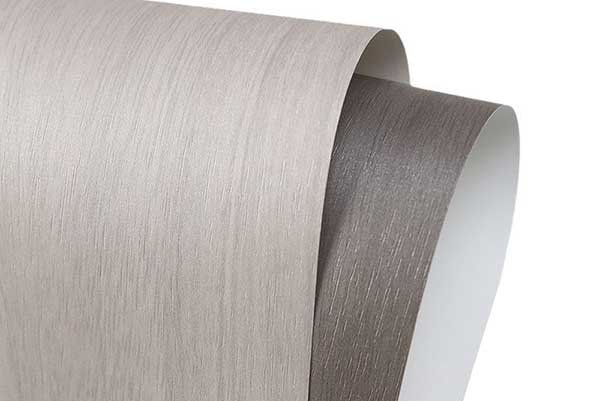
Use a physical reference to define the required wood-grain appearance and embossed texture. Confirm whether the project involves flat lamination, profile wrapping or forming, and evaluate the proposed film with the actual substrate and adhesive. Agree the finished-panel acceptance criteria before production approval.
Our Advantages
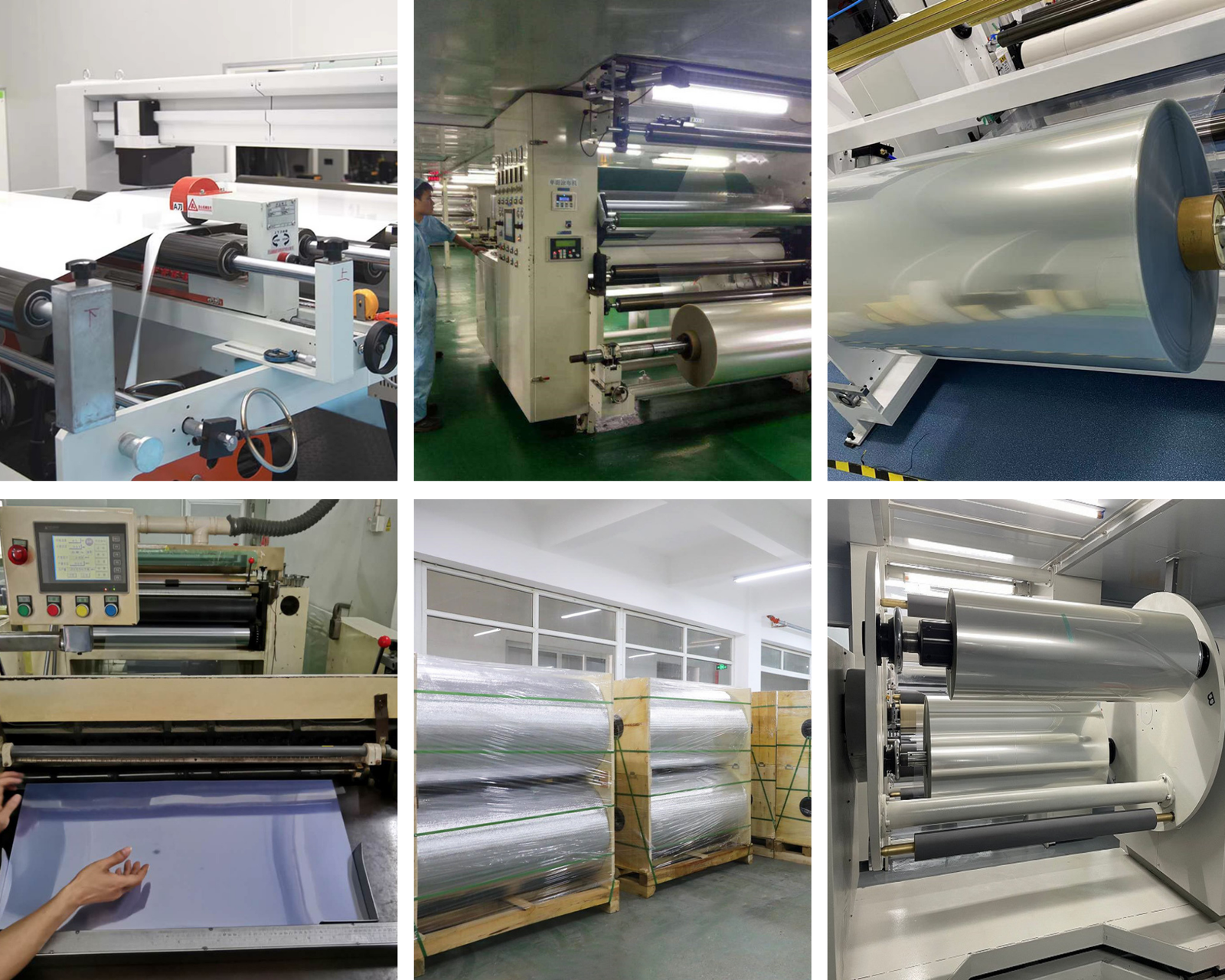
Professional manufacturer and supplier of Wood Grain PETG Film , offering wholesale online services with competitive pricing.
Full support for OEM & ODM projects to meet customized requirements.
Factory-direct supply ensures cost-effective and stable sourcing.
Over 10 years of export experience serving global markets.
Certified with RoHS, SGS, and ISO standards to guarantee quality and compliance.
Multiple patented technologies reflect strong innovation and product development capabilities.
| Embossed Wood Grain PETG Item | Details to Confirm for Quotation and Sample Approval |
| Material and construction | Confirm the PETG grade, layer construction and intended substrate. |
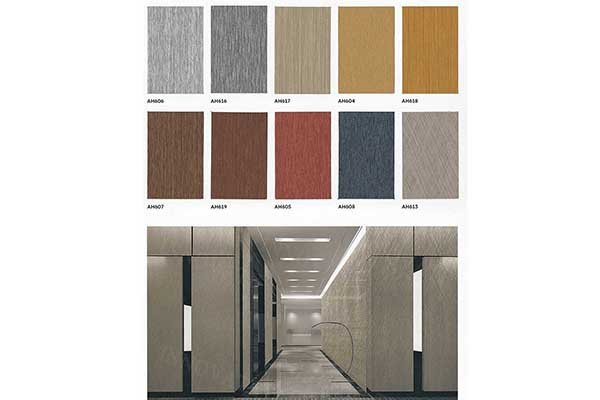
| Pattern and color | Provide a wood-pattern reference, color target, grain direction and approved sample. |
| Embossed texture and gloss | Specify texture depth, gloss and whether alignment between print and texture is required. |
| Thickness and dimensions | State finished thickness, width, length, tolerances and sheet or roll format. |
| Substrate and adhesive | Identify the panel surface, preparation, adhesive system and lamination conditions. |
| Wrapping or forming | Provide the profile, corner radius and process conditions; approve texture and edge quality through trials. |
| Service and cleaning conditions | List temperature, humidity, light exposure, cleaners and required wear or appearance tests. |
| Order and approval | Confirm quantity, packaging, destination, required documentation and sample acceptance criteria. |

Compare wood grain PETG film options against the required pattern, texture and panel design. Select the proposed construction using representative samples and finished-panel trials.
Specify the wood pattern, grain direction, color, gloss and required texture. If the embossed texture must align with the printed grain, include that requirement in the inquiry and inspect the proposed sample for alignment. Do not assume that every embossed wood-grain finish uses synchronized embossing.
Identify the substrate, surface preparation, adhesive, equipment and process conditions. Trial the actual panel profile and inspect adhesion, texture retention, whitening, cracking, seams and edge appearance.
For corners or formed shapes, agree the geometry and finished-part acceptance criteria. Approve representative samples after processing rather than relying on a general claim that texture will remain unchanged during every draw or bend.
Define the exposure conditions for the finished panel and agree suitable tests:
Surface wear: State handling and abrasion requirements and inspect appearance after the agreed test.
Cleaning contact: Specify cleaners, concentrations and cleaning frequency; check for discoloration, swelling, print damage and coating or bond changes.
Temperature and humidity: Define the intended environment and exposure duration; inspect dimensional change, seams and adhesion on the assembled panel.
Identify destination-market requirements and any composition, emissions or end-of-life criteria for the project. Confirm the relevant documentation for the film, adhesive and finished panel rather than inferring certification or recyclability from the material name.

Edges and Profiles: Provide corner radii and profile drawings. Approve processed samples for whitening, cracking and seam appearance.
Material Requirements: State any composition, emissions and end-of-life requirements, then confirm documentation for the proposed construction.
Pattern and Texture: Agree a reference sample and any print-to-texture alignment requirement before ordering.
Cleaning and Wear: Define chemicals, contact times and wear conditions. Inspect the finished surface against agreed acceptance criteria.
Service Environment: State temperature, humidity and light exposure. Evaluate the bonded panel for dimensional change, edge lifting and appearance.
Production Approval: Trial the film, substrate and adhesive on the actual line. Confirm processing settings, texture retention, edge quality and acceptable yield before volume manufacture.


Use these related application collections to compare material format, thickness, surface treatment, forming behavior and RFQ details before requesting a production quote.
