
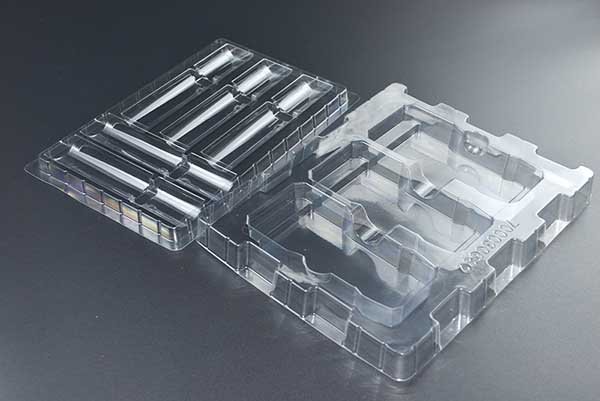
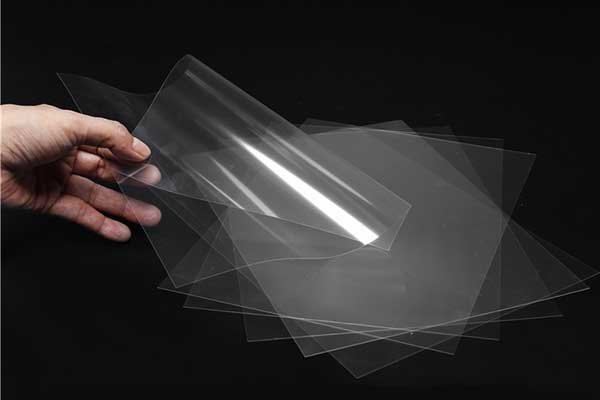
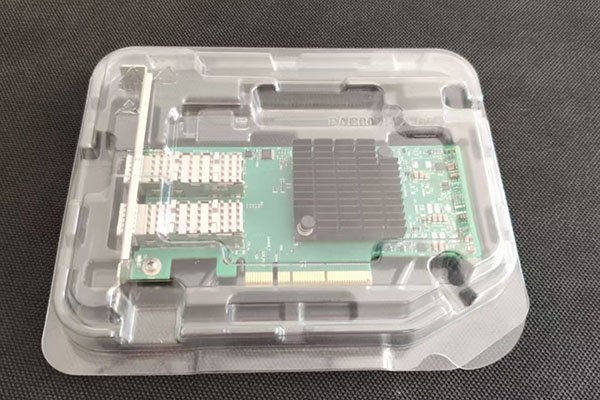

This page focuses on anti-static PET sheet stock for handling, separators and packaging projects where charge generation or static attraction needs to be evaluated. Describe the actual use and acceptance criteria; the anti-static name alone does not establish suitability for sensitive electronics, cleanrooms or protective equipment.
Agree the method and acceptance limits before the trial. Record electrical results with the test conditions. Where the sheet will be formed, printed, bonded, cleaned or reused, evaluate the material after the relevant process as well as before it. Confirm the final grade and dimensions in the quotation.
For formed component trays, review thermoforming ESD PET sheet. If a conductive grade is required, compare the conductive PET sheet page. These are separate requirements and should be qualified against the intended use.
Specify the intended application, required electrical property, test method, conditioning temperature and humidity, thickness, cut size or roll format, quantity and destination. Confirm the proposed grade before ordering.
No. An anti-static label alone does not establish shielding, charge decay or protection for a particular device. Evaluate the proposed material and the complete packaging or handling system against the requirements of your ESD control plan.
Agree acceptance criteria before testing. Check the relevant electrical properties under specified conditioning, then review appearance, handling, printing or bonding compatibility and any change after forming, cleaning or reuse.

Specify what is being measured and the required limits. Record the test method and conditioning; compare results for the proposed grade under the agreed conditions.
Review clarity, haze, surface marks, separation and static attraction on the intended handling line. An anti-static treatment does not guarantee a dust-free surface or jam-free operation.
Confirm the treatment construction and expected use. Permanent performance, low-humidity behavior and resistance to cleaning require evidence for the actual grade.
Trial cutting, forming, printing, labeling and bonding as applicable. Check both appearance and the relevant electrical properties after processing.
Assess the sheet as part of the intended handling or packaging system. Do not infer ESD shielding or device protection solely from a surface-resistance result.
Request the proposed grade specification and available test records. Agree acceptance limits, sample approval and commercial terms before production.
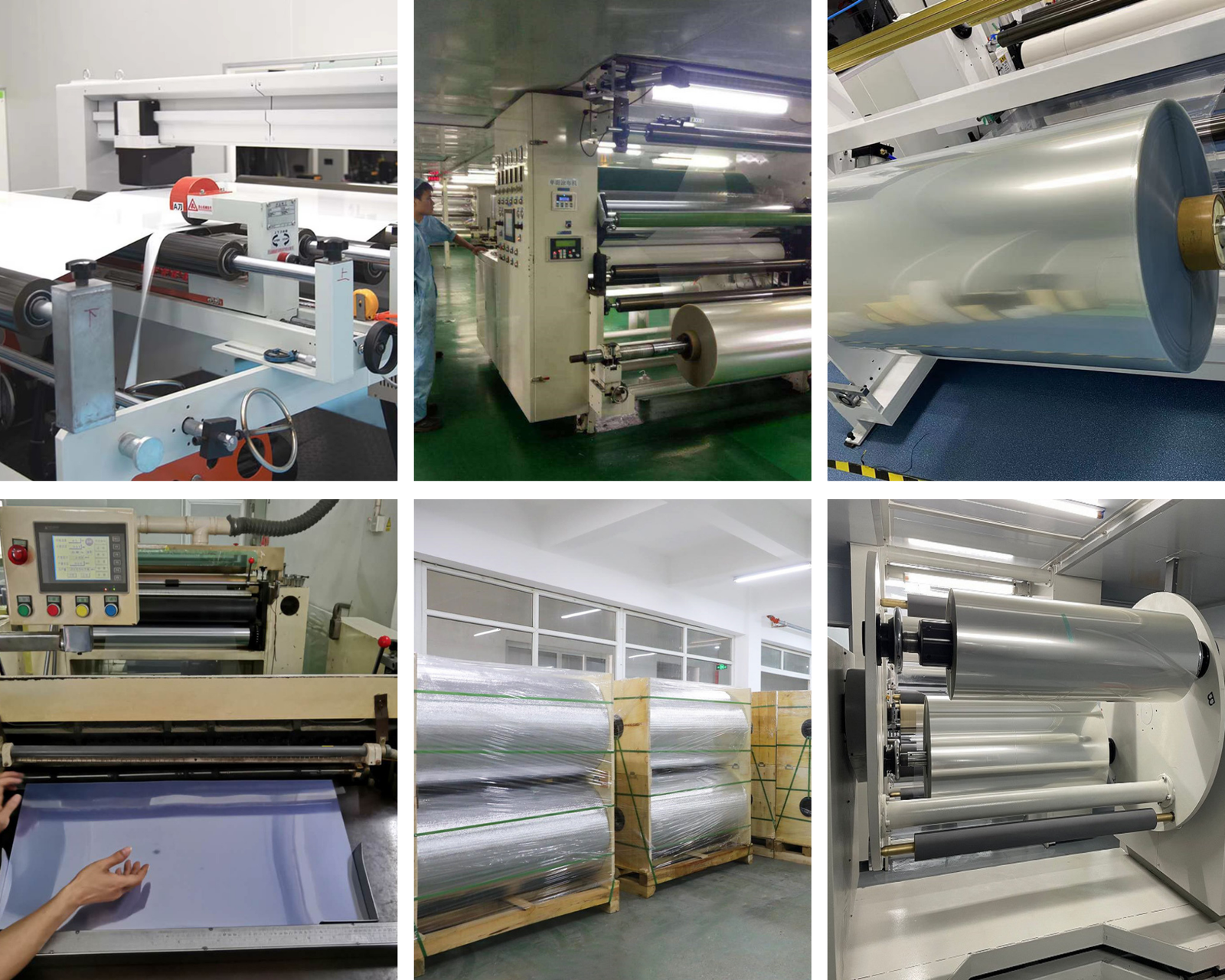
Use these related application collections to compare material format, thickness, surface treatment, forming behavior and RFQ details before requesting a production quote.
